Oil Giants Report Soaring Profits, Raise Concerns Over Windfall Taxes
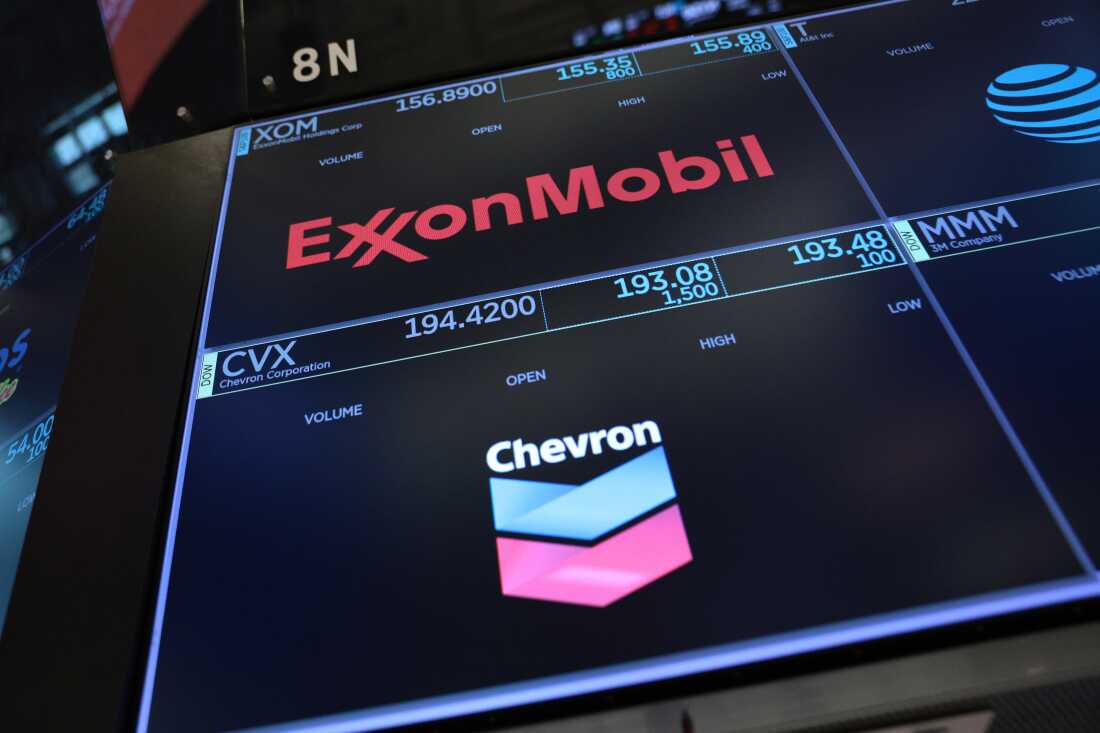
ExxonMobil and Chevron logos were visible on the floor of the New York Stock Exchange during a busy morning of trading. Chevron has reported its largest quarterly earnings ever. Shell recorded its second-highest quarterly profits while ExxonMobil’s earnings, though below Wall Street’s forecasts, still doubled compared to the previous year.
Together, these companies averaged around $404 million in profits per day over the past three months. This success benefits company executives but has sparked calls from European lawmakers and U.S. Democrats for windfall taxes on such oil companies.
Global Conflict and Crude Prices
Conflict has significantly impacted global crude prices and refining margins. The war involving Iran has effectively closed the Strait of Hormuz, a major route for crude exports. Only a handful of ships have been able to pass through, causing a bottleneck. Some oil reaches markets via alternate routes, but these are also under threat.
Furthermore, conflicts in the Middle East have hindered refined fuel exports. Ukraine’s strikes on Russia’s oil-refining infrastructure have worsened fuel shortages worldwide. This results in higher fuel prices and increased costs for virtually all consumer goods.
Oil Companies’ Profits Amid Disruptions
Despite these disruptions, oil producers have benefitted from higher margins. ExxonMobil made $14.5 billion, Chevron $12.1 billion, and Shell $9.8 billion this quarter. Even though Exxon and Shell faced significant operational disruptions in the Middle East due to the conflict, the increase in crude prices and refining margins offset these challenges.
Debate Over Windfall Taxes
Sen. Sheldon Whitehouse from Rhode Island has proposed a windfall tax on oil profits in the U.S. Several European countries are also advocating for such taxes. Designed to collect excess profits resulting from external factors, not internal company performance, windfall taxes aim to alleviate consumer energy prices.
The European Union implemented a windfall tax following the 2022 price surge after Russia’s invasion of Ukraine. During an earnings call, ExxonMobil’s CEO, Darren Woods, argued against such taxes, describing them as a “misguided policy.” He noted that these taxes could discourage investments in regions where they are implemented.
Strategic Focus on Long-term Growth
Executives like Chevron CEO Mike Wirth acknowledge the uncertainty surrounding future oil supply and profitability. Despite current profits, they understand that the situation in the Strait of Hormuz is unlikely to persist indefinitely.
ExxonMobil’s Woods emphasized the importance of Middle Eastern oil to the global economy. He expects that a global solution will eventually restore normal oil flows. This outlook affects corporate strategy, focusing not on immediate new projects but on long-term, disciplined growth in new oil fields.
Instead of channeling profits into short-term gains through increased dividends or stock buybacks, major oil companies are opting to pay down debt and solidify their financial health, prioritizing sustainability over immediate gains.