Ossoff and Warnock: The Political Landscape Ahead
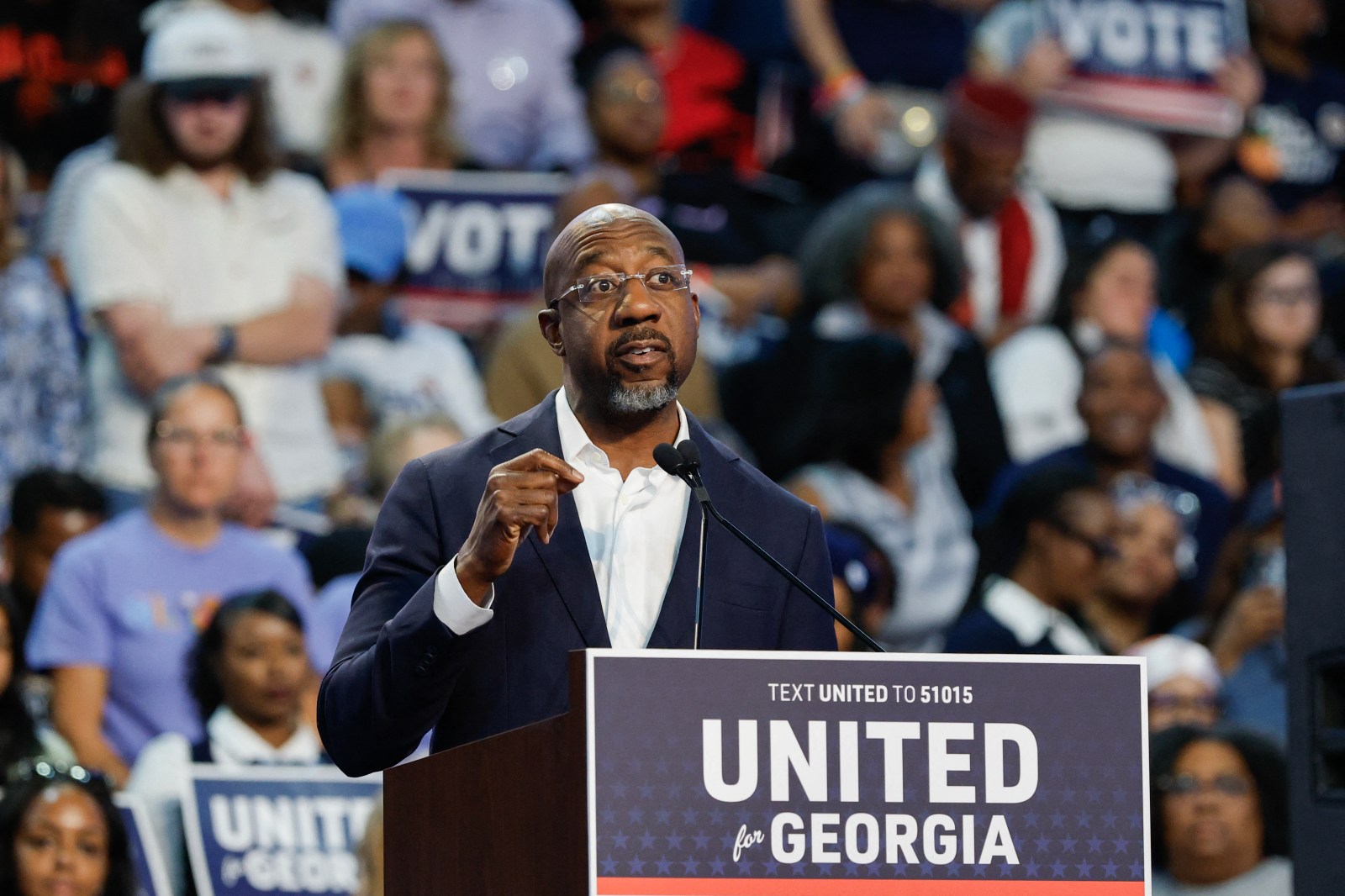
Jon Ossoff’s first Senate reelection bid was inherently challenging. Historically, Democrats have only recently gained traction in Georgia’s statewide races. Ossoff initially required a runoff to win. He built a record of bipartisan achievements, drawing supporters from various political backgrounds. Facing a less potent MAGA opponent propelled him to political prominence. As anticipated, the Midterms reflected this trajectory.
If you consider these factors in 2026, Senator Jon Ossoff stands out. A similar narrative unfolded in 2022 during Senator Raphael Warnock’s campaign. Now, discussions about Ossoff’s 2028 prospects dominate this Midterm cycle, overshadowing Warnock’s presence on the national stage. On Kalshi, Ossoff’s 14% chance of winning the Democratic Presidential Primary is second only to California Governor Gavin Newsom, while Warnock is at 2%. A similar trend exists on Polymarket.
If Ossoff demonstrates a strong victory margin in the upcoming Midterms, his odds of running in 2028 would likely increase. Some Democrats view him as an ideal counter to Trumpism, with his media-savvy presence and focus on tackling corruption. Yet, Ossoff has consistently expressed no intention to run for president. During a debate with Republican challenger Congressman Mike Collins, Ossoff emphasized his commitment to completing his Senate term.
“I have zero interest in running for president. I’m not running for president. I’m running for reelection to the Senate.” – Jon Ossoff
Despite this stance, comparisons to former presidents Barack Obama and Bill Clinton, who initially denied presidential aspirations, persist. Some speculate that a significant electoral victory might pressure Ossoff to reconsider, though he maintains his focus on Senate duties.
The speculation centers on Warnock’s potential presidential ambitions. Interviews with Georgia political figures suggest a mutual understanding between Ossoff and Warnock. Ossoff’s public assertions may reflect respect for Warnock’s decision-making process.
The consensus among political insiders is that Ossoff would defer to Warnock if both consider running for president. Ossoff’s spokesperson has not commented, while Warnock’s representative stated his focus on supporting Democrats in the 2026 elections. The close relationship between the two senators implies strategic coordination, allowing Warnock to explore presidential options first.
Warnock, drawing from his longstanding leadership at the historic Ebenezer Baptist Church, maintains a robust connection with Georgia’s African American community. His 2020 election success bolstered Ossoff’s campaign, and their overlapping support bases could complicate concurrent presidential bids.
Unlike Ossoff, Warnock hasn’t ruled out a presidential campaign. He has hinted at pending decisions, aligning future plans with upcoming Senate reelection and broader political engagements.
“Look, I know that in a matter of months… I’ll be in a race.” – Raphael Warnock
Both Ossoff and Warnock have young families, which influences their political timing. Ossoff’s burgeoning career, balanced with personal obligations, remains a crucial factor in his decision-making.
The outcome of the Georgia governor’s race, featuring Keisha Lance Bottoms against Rick Jackson, carries significant implications. A Republican win could upset the Democratic Senate balance if Ossoff or Warnock seeks higher office. This scenario poses a strategic challenge for national Democratic strategists concerned about Senate seat vulnerabilities.
Ultimately, the ongoing political dynamics in Georgia will shape future presidential prospects. Ossoff and Warnock, both seen as potential future leaders, navigate a path defined by mutual respect and tactical discretion.
For further insights, register for Newsweek’s webinar on November 10, ‘How the Politics of AI Could Shape Midterms,’ discussing AI’s role in campaigning and policy-formulation.