Paraguay Bank Collapse Triggers Political and Financial Turmoil
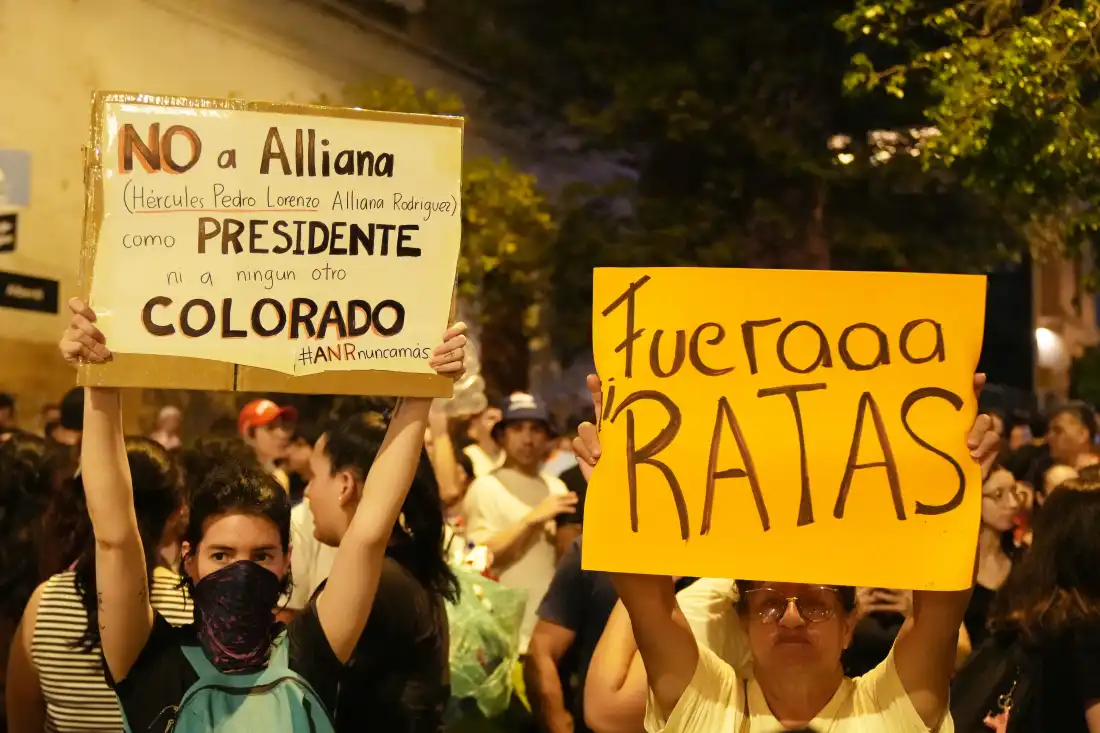
On Friday, Nov. 6, 2026, protesters gathered outside Congress in Asunción, Paraguay, in response to the impeachment and removal of President Santiago Peña. Linked to the collapse of Ueno Bank, this event saw Vice President Pedro Alliana sworn in as his successor. The bank’s sudden shutdown had immediate consequences for millions of Paraguayans who relied on it for daily transactions.
Elizabeth González, a 28-year-old barista working near Congress, observed dwindling trust among locals. “People don’t have any trust,” she noted, mentioning a customer who opted to pay in cash due to lost faith in banking systems. Foreign investors are likely to be even more cautious.
Ueno Bank, representing about 60% of Paraguay’s adult population with 2.9 million customers, left many facing severe difficulties. The Central Bank reported 1.8 million depositors. By Saturday, authorities indicated that only around 1.2 million customers received partial compensation from the state’s deposit guarantee fund.
The situation led to Peña’s impeachment, revealing deeper issues within the ruling Colorado Party. Outside Congress, the protests represented more than grievances about accessing money. Many viewed it as a systemic failure.
Elodia Saveredo, a 71-year-old housewife selling crafts online, attended the protest for solidarity, not personal loss. She emphasized its national impact. Batarram Caballero, a biochemistry student, highlighted economic struggles faced by classmates unable to access necessary funds.
Ueno Bank emerged as a fintech in 2021, transforming into a key financial player by 2023. Aggressive marketing and technological ease attracted a significant customer base. However, rumors and campaigns before the account freezes troubled Caballero. Customers faced pressure to concentrate funds in the bank, and questions arose on the bank’s significant holdings of public funds.
“They were bombarding us with messages telling us to put our money there,” Caballero said.
Economist Manuel Ferreira criticized the bank’s approach, noting its reliance on customer deposits over shareholder equity. He pointed out that many loans were funneled to companies linked to the bank’s owners, raising red flags.
President Peña faced scrutiny for ties to Ueno’s holding company, even as he served as president. Accused of using influence to benefit the bank, Peña resigned, faced impeachment, and was charged with breach of trust. Vice President Alliana immediately assumed the presidency.
Former Ueno Bank head Carlos Carvallo, along with key executives, faced charges of financial misconduct. This scandal further involved Horacio Cartes, a former president with extensive political and economic clout. Once politically aligned, Cartes distanced himself from Peña amid the crisis, signaling a shift in support.
For protestors, grievances extended past bank failures into longstanding political discontent. Activist Rodrigo Piatti demanded accountability from the country’s power brokers, specifically targeting Cartes.
“Everything that’s wrong with Paraguay… is Horacio Cartes and his line of succession,” Piatti declared.
Business leaders like Eduardo López voiced concerns about the country’s reputation among international partners. Poor governance perceptions could hinder potential investments.
Lizza Lugo, a student leader, expressed hope for change in upcoming elections. She denounced unequal legal standards and urged Paraguayans to remember these issues when voting.