Parent Shares Signs of Childhood Cancer After Daughter’s Diagnosis
A mother in North Dakota, Emily Koska, whose seven-year-old daughter was diagnosed with stage 4 cancer, is urging other parents to recognize warning signs they might overlook. Emily and her husband, Michael, are parents to three children: Abram, 11, five-month-old Ruthie, and Miriam, aged seven.
In October 2025, Miriam was diagnosed with stage 4 nodular ganglioneuroblastoma, a type of childhood cancer occurring mostly in children aged two to four. This cancer affects nerve tissue with tumors that can be aggressive and quick to spread. MedlinePlus notes that these tumors commonly appear as lumps in the abdomen but can also be found in the neck, chest cavity, or legs.
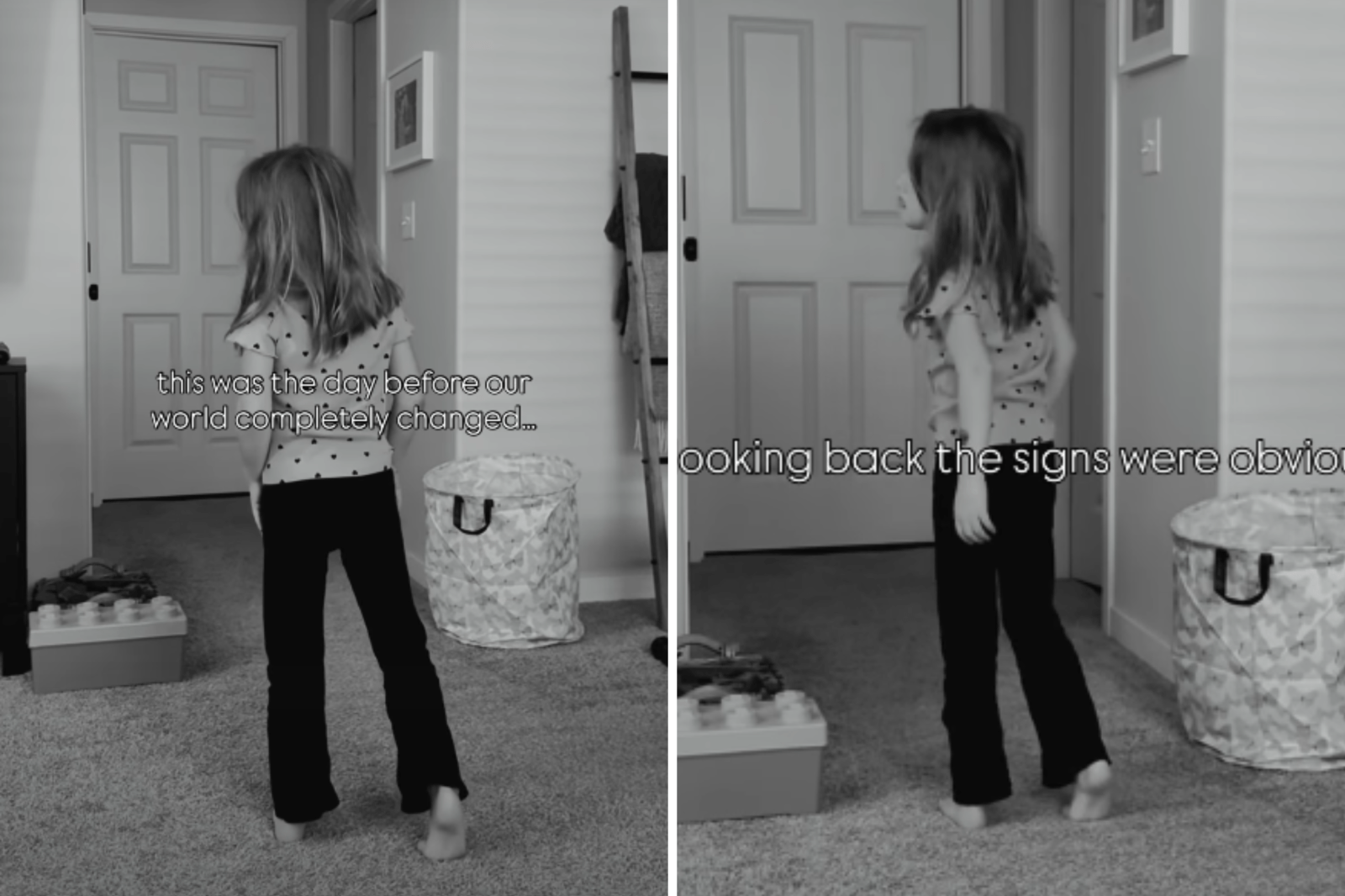
Emily recalled missing early signs of Miriam’s condition. A video shared on Instagram showed Miriam walking stiffly the day before her diagnosis. Emily wrote, “We had no idea she had cancer that spread to her bone marrow. Looking back, the signs were obvious. I have to live with that forever.” She encourages parents to keep questioning when they sense something is wrong with their children.
Miriam first experienced occasional leg pain at six years old, initially thought to be growing pains. As the pain increased and a limp developed, the family grew more concerned. Additional symptoms appeared, including unexplained fevers, night sweats, abdominal pain, and fatigue. Despite numerous doctor visits, the causes were initially attributed to viral infections or constipation.
It was not until a pediatrician reviewed Miriam’s symptoms collectively that she was sent to the emergency department. Within hours, Miriam was diagnosed with cancer, specifically high-risk ganglioneuroblastoma.
Neuroblastoma can cause symptoms from tumors pressing on body structures, such as feeling too full to eat, trouble with coordination or movement, and more. If tumors spread, symptoms might include swollen lymph nodes, bone pain, dark circles around the eyes, and fatigue, among others, according to the Cleveland Clinic.
Emily emphasized that while childhood cancer is rare, persistent symptoms warrant further investigation. She advocates for parents to persist in seeking answers if symptoms don’t resolve or make sense.
There is hope for Miriam, as recent treatments and second opinions have led to positive progress. “She recently had clear scans and has minimal disease remaining in her bone marrow,” Emily shared. Miriam’s treatment will continue into 2027. Emily expressed pride in Miriam’s bravery and resilience throughout her journey, noting, “It’s an honor to be her mom and walk alongside her. She inspires us every day.”