Pilot Fatigue: A Growing Concern for Aviation Safety
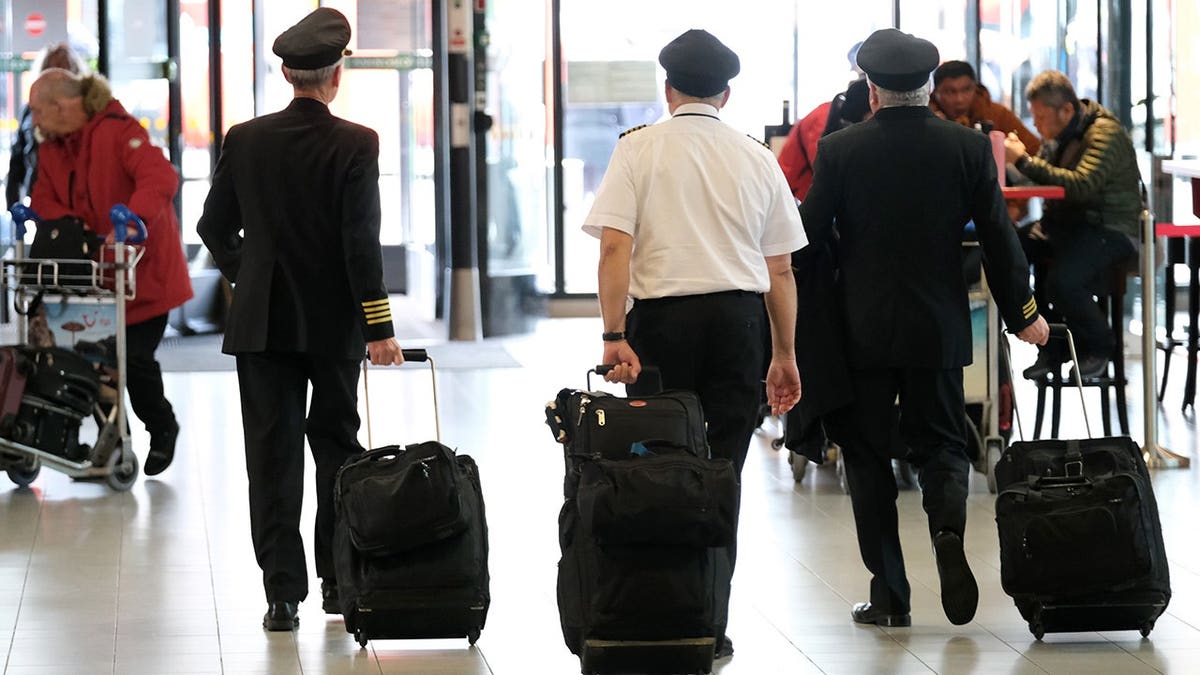
The issue of pilot fatigue is gaining attention due to recent findings from aviation consultancy Baines Simmons. Their report reveals concerning data on pilots’ sleeping habits during flights. More than 75% of surveyed pilots admitted to experiencing ‘microsleep’ episodes while at the controls in recent weeks. This data comes from discussions with 7,200 pilots working across 32 European countries.
The European Cockpit Association (ECA), which represents over 44,000 pilots, highlighted the findings in a press release. Captain Coen George of the ECA pointed out that fear of career repercussions might discourage pilots from reporting fatigue.
Rest and Reporting Challenges
The report brought attention to more than just short naps in the cockpit. It found that nearly 39% of pilots claim they do not receive sufficient rest to stave off fatigue. This raises critical questions about safety and reporting practices. Only 37.2% of the pilots said they report when they are too tired to fly. Yet, 24.2% admitted to flying despite feeling fatigued, fearing the possible consequences of reporting.
Matthew “Whiz” Buckley, a former Navy fighter pilot with commercial flying experience, noted that scheduled rest periods do not always equate to proper sleep. Factors like inappropriate sleep hours and long-haul flights significantly disturb regular sleep rhythms.
Regulatory Responses to Fatigue
The Federal Aviation Administration (FAA) in the U.S. responded to fatigue issues by establishing stricter rest and duty rules in 2012. Pilots must have a ten-hour rest period before flight duties, including eight hours for sleep. They must report fatigue to be relieved of duty safely.
Bobby Laurie, a travel expert and former flight attendant, emphasized that delayed flights due to crew rest are vital for safety. He reassured travelers that these delays prevent pilots from flying while fatigued, which could pose severe risks.
Broader Industry Implications
Beyond pilots, rest conditions for flight attendants are under scrutiny. The FAA proposed standardizing rest breaks, which major flight attendant unions oppose, citing insufficient breaks for basic needs.
Ensuring the safety of air travel lies in both airline policies and transparent reporting by crew members. As fatigue continues to be a threat, the aviation industry must consider these findings carefully.