President Trump Faces Economic Discontent Amid West Coast Tour
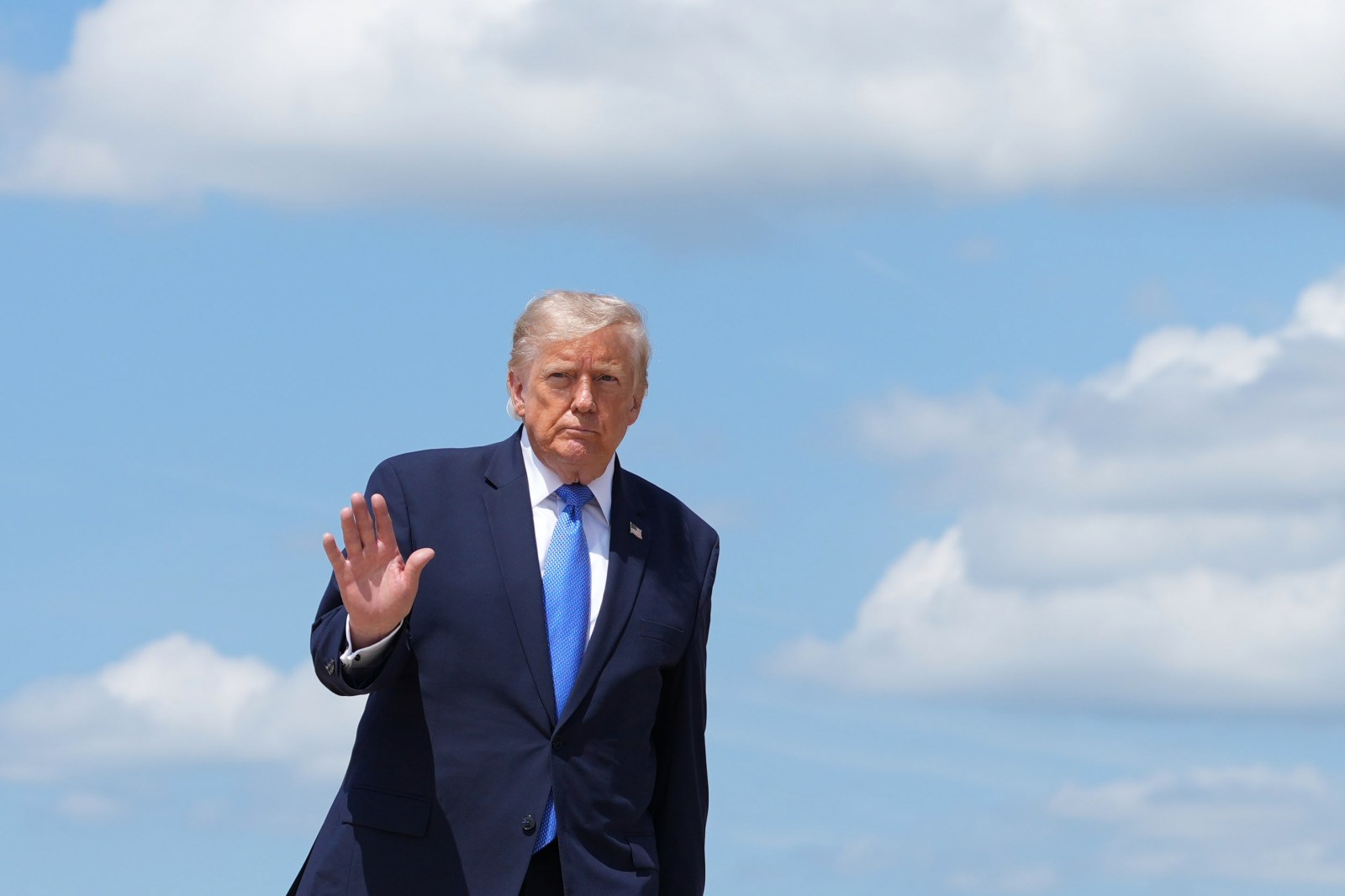
President Donald Trump is undertaking a West Coast tour to promote his economic record, even as voter dissatisfaction with his economic policies grows. The tour began in Los Angeles, following Trump’s travel from Washington, D.C., and includes a Republican National Committee fundraising event at his golf club in Rancho Palos Verdes, California. He will also attend an event at Red Rock Casino in Las Vegas, Nevada, to discuss crime and the economy.
The White House presents these visits as a chance for Trump to highlight his achievements, contrasting them with policies from West Coast leaders. Olivia Wales, White House Assistant Press Secretary, commented that Trump aims to highlight his practical agenda against what he describes as the extreme policies of officials like Gavin Newsom. These include criticisms of rising taxes and the protection of illegal immigrants involved in crimes.
Despite these efforts, voter frustration with Trump’s economic performance is evident. A Harris Poll for The Guardian in July indicated that 95% of Americans view the U.S. as facing an affordability “crisis” due to rising prices in essential goods like groceries and gas. This sentiment cuts across political lines, affecting even Trump’s core supporters.
Political consultant Matt Klink noted that voters assess the economy based on everyday expenses rather than economic metrics like GDP. Recent surveys show a majority attribute economic struggles to Trump’s policies. A YouGov/Economist poll from late July showed only 30% approve of Trump’s economic management, while 65% disapprove.
Inflation is a particular concern, with only 25% approving of Trump’s handling of rising prices, as shown in multiple surveys, including those from CNN/SSRS and Fox News. Additionally, an AP-NORC poll found that 69% consider the economy “poor,” with significant stress from costs in groceries, housing, and healthcare.
Meanwhile, Democrats appear to be gaining credibility on economic issues ahead of the midterms. A Reuters/Ipsos poll recently showed 37% of registered voters favored the Democratic approach to the economy over the Republicans’ 36%. However, Klink advises that Democrats need to offer practical solutions to inflation and other economic challenges to maintain this advantage, considering past struggles during Joe Biden’s presidency.
The political landscape remains competitive, with both parties needing to address economic concerns effectively as elections approach.