Preventing Indoor Pollution During Thanksgiving Cooking
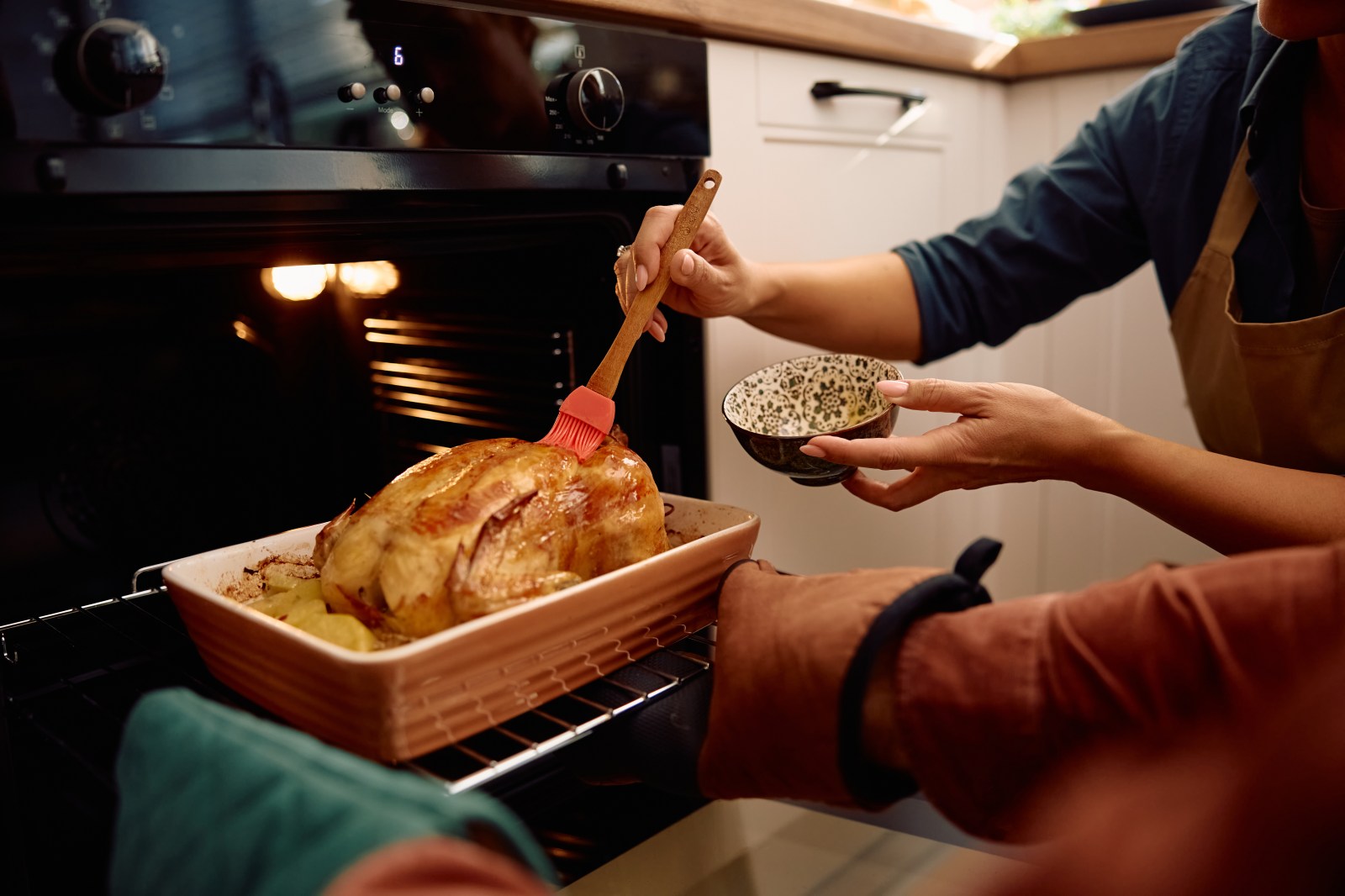
Thanksgiving celebrations often feature a roasted turkey and various traditional side dishes. However, preparing this feast can have an unexpected downside. Cooking a full Thanksgiving meal may release harmful pollutants into the air.
Cooking and Pollutant Concerns
High-temperature cooking methods such as frying, searing, broiling, and grilling can produce fine airborne particles that penetrate deeply into the lungs. Gas stoves present an additional concern. According to Dr. Gina Solomon from the Division of Occupational, Environmental & Climate Medicine at Western States PEHSU, gas stoves can emit high levels of nitrogen dioxide, especially when multiple burners are on. This can lead to breathing issues, notably for children with asthma and people with underlying respiratory conditions.
Methods that produce smoke, like frying and sautéing, release small particles harmful to the lungs. Dr. Solomon mentions that using multiple burners and the oven during Thanksgiving isn’t typical, and can introduce multiple combustion byproducts.
Pollution from Ingredients and Ventilation Challenges
The turkey, a staple dish, can add to the issue. David T. Dyjack, the CEO of the National Environmental Health Association, explains that fats and juices dripping onto hot surfaces release airborne particles. Searing meat and overheating cooking oils also contribute to pollution.
Poor ventilation exacerbates the issue. In well-ventilated kitchens, pollution declines within 30 to 60 minutes, but in poorly ventilated spaces, it lingers for hours. Dyjack notes that particle filters don’t remove all pollutants. HEPA air cleaners can reduce particles but not nitrogen dioxide and carbon monoxide, a colorless and odorless gas that can cause poisoning. Signs of carbon monoxide exposure include headache, dizziness, nausea, weakness, and confusion. A functioning alarm is essential for safety.
Addressing Risks and Mitigation Strategies
People with respiratory or cardiovascular conditions, children, and older adults are more vulnerable. Yet, there are effective ways to cook without impacting air quality. Ventilation is crucial. Dyjack advises turning on the kitchen exhaust before cooking and leaving it on for 10 to 20 minutes afterward. Hoods that vent outside are preferable to recirculating models, and opening windows when possible can help.
Using back burners, maintaining clean appliances, and checking cooking temperatures are practical steps. As Dyjack’s mother suggested, cooking ‘low and slow’, using appropriate oils, and avoiding burned food can reduce pollution.
Candles, though festive, can add to air pollution. Solomon advises considering battery-operated candles instead.
Proper ventilation, appliance maintenance, and safety alarms can protect indoor air quality, allowing traditions to continue. Dyjack emphasizes paying attention to ventilation and safety so that the lasting memory of Thanksgiving is a delightful meal.