Primary Elections in Key States and Their Implications
Primary elections took place in Nevada, South Carolina, and North Dakota on Tuesday. However, significant attention was directed towards the U.S. Senate race in Maine. The contests for the nominations were clear-cut. Republican incumbent Sen. Susan Collins and Democratic challenger Graham Platner faced no serious contenders from their respective parties. Nevertheless, Tuesday was vital for Platner, an embattled veteran and oyster farmer striving to rebuild his campaign credibility amid controversy.
Platner’s Effort to Redirect Focus
Graham Platner clinched the Democratic primary for U.S. Senate in Maine, setting the stage for a high-stakes battle against Republican Sen. Susan Collins. Platner, recognizing the need for repair, addressed his supporters, acknowledging past mistakes and the necessity to earn trust and support. His speech emphasized accountability amid previous controversies surrounding explicit messages and behavior allegations. The event included support from his family, with Platner’s mother and wife publicly showing solidarity.
Maine Governor Janet Mills had earlier suspended her campaign, leaving Platner as a key figure in the Democratic Party’s effort to gain Senate control. His win demonstrates internal support within the party despite controversies, highlighting shifting priorities towards electability under current political dynamics.
Internal Democratic Party Dynamics
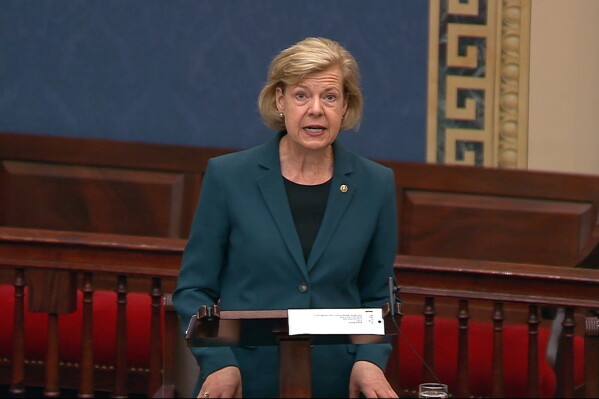
The Democratic Party’s reaction to Platner’s victory and controversies reflects an evolving approach in the Trump era. Leaders, including Minnesota Sen. Tina Smith, have publicly supported Platner, showing prioritization of political success. Some Democrats continue to express discomfort, with figures like Pennsylvania Sen. John Fetterman and New Jersey Rep. Josh Gottheimer voicing differing opinions regarding Platner’s candidacy. Democratic leaders may face ongoing scrutiny about their standards in upcoming weeks.
Trump’s Influence in South Carolina
In South Carolina, President Trump’s influence was tested. The Republican gubernatorial primary showed mixed results, with Trump-backed Lt. Gov. Pamela Evette unable to secure an outright win. A runoff against state Attorney General Alan Wilson is set. Trump expressed support for Evette post-election.
Sen. Lindsey Graham, a close Trump ally, succeeded in securing the Republican Senate nomination, avoiding a runoff against businessman Mark Lynch. In Nevada’s 2nd congressional district, Trump’s endorsement plays a role, with candidate David Flippo contending against endorsed candidate James Settelmeyer.
Rep. James Clyburn’s Primary Success
South Carolina Rep. James Clyburn easily advanced in the primary, strengthening his position despite previous redistricting challenges. Republican efforts to alter his district were halted, allowing Clyburn’s continued influence. He is projected to play a major role towards the 2028 presidential race.
Complexity of the U.S. Election System
Recent elections illustrated the complexity of the U.S. electoral process. Variations in vote counting and reporting times reflect the flexibility states have in voting procedures. Ranked-choice voting in Maine and runoffs in South Carolina contribute to prolonged result announcements. In populous states like California, accessibility priorities often delay election outcomes. These nuances emphasize the intricacies of the election process, as demonstrated in Maine’s and other states’ ongoing primaries.