Protecting Your Hearing: Recognize and Change Everyday Habits
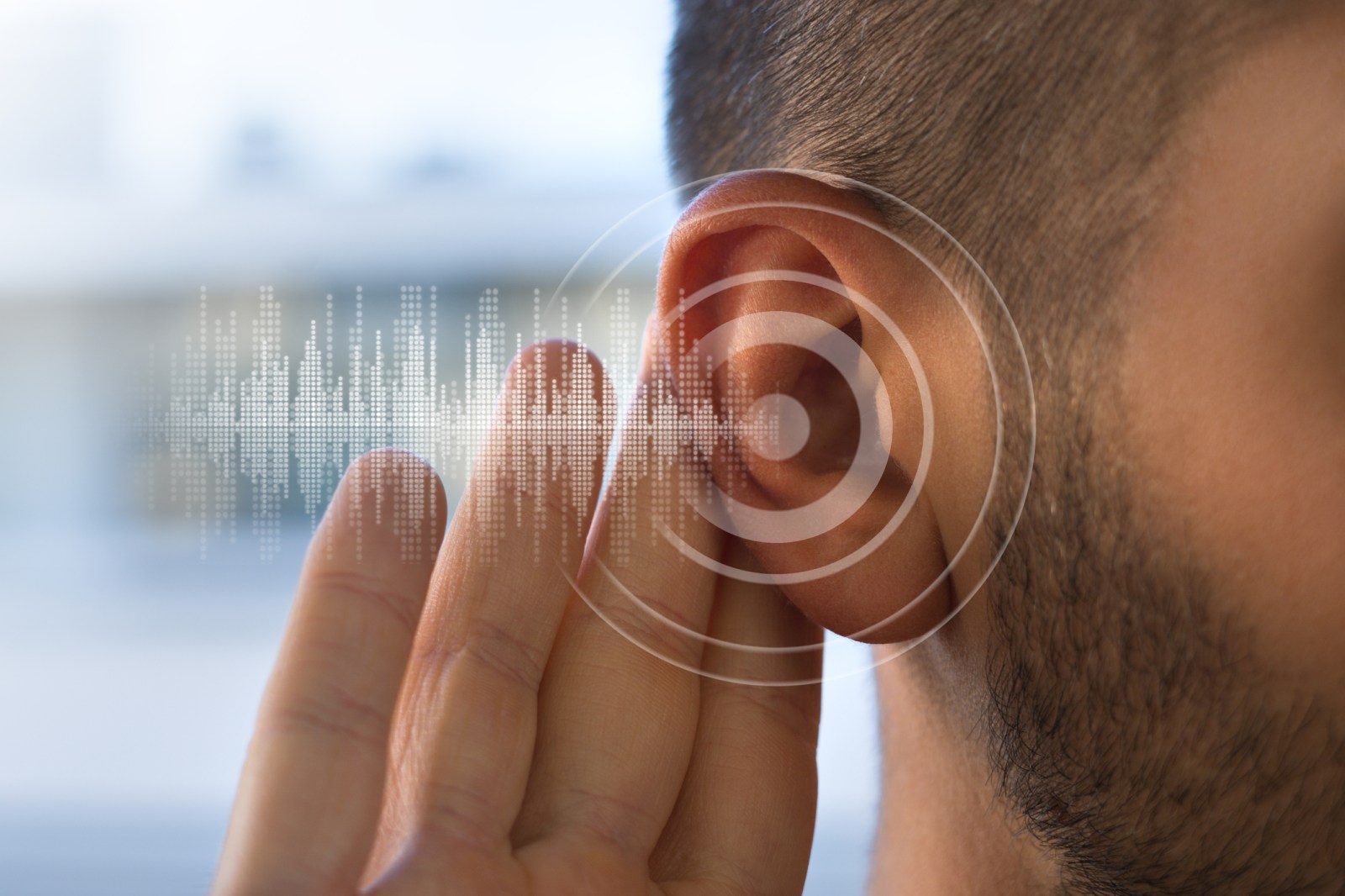
Your hearing can be damaged by habits you might overlook. While hearing develops early, it is often underappreciated. This sense lets us enjoy sounds like music or a child’s words, yet it is highly sensitive.
The American Academy of Audiology states that about 40 million American adults suffer hearing loss due to noise exposure. This condition affects diverse groups, and many people don’t realize hearing damage accumulates over time, as noted by Rachel Artsma, a senior audiologist at Hear.com.
Types of Hearing Loss
There are three main types: conductive, sensorineural, and mixed. Signs include muffled sounds, ringing in the ears, needing higher volume, and sensitivity to background noise.
Preventing Hearing Damage from Everyday Habits
Avoid loud places to prevent hearing loss, but daily habits can also cause lasting harm.
Using Earbuds at High Volume
Earbuds are common, but listening to music too loudly is a frequent health concern. Artsma points out the issue isn’t earbuds themselves, but the high volumes used for extended periods.
If music prevents hearing people nearby, it’s likely too loud. Artsma advises the 60/60 rule: keep volume below 60% and limit listening to 60 minutes.
High volume to counter background noise in busy areas poses a risk. Damage to inner ear hair cells is permanent, so prevention matters.
Driving With Windows Down
Open windows are tempting in summer but can be harmful. Artsma explains wind noise, especially on highways, reaches harmful levels.
Regular exposure during long commutes may cause hearing stress, especially with other noise sources throughout the day. Total noise exposure affects hearing, not isolated activities.
Using a Hairdryer Every Day
Hair drying is necessary but adds to noise exposure. Artsma highlights the cumulative effect if coupled with loud music, concerts, or noisy work environments.
Household appliance noise is underestimated due to familiarity. The risk increases for hairstylists using tools extensively.
Reversing Some Hearing Damage
Treatment and routine changes can reverse some hearing loss. Take breaks, lower volume, and notice everyday sounds typically ignored.
Years of loud listening can have delayed effects. Ringing in the ears after loud events indicates auditory system stress from noise exposure. Frequently needing repetition or louder speech might signal issues beyond aging. Address these concerns early.
If you have health concerns, contact Newsweek editors Charlotte Nisbet and Shakeema Edwards, or email [email protected]. Experts can offer advice, potentially featuring your story.