Racial Commentary and Double Standards in Sports and Media
The trend of making remarks about White people in sports and media persists without significant consequences. The idea of joking about race seems to still hold appeal.
Disparaging White Athletes in Sports Commentary
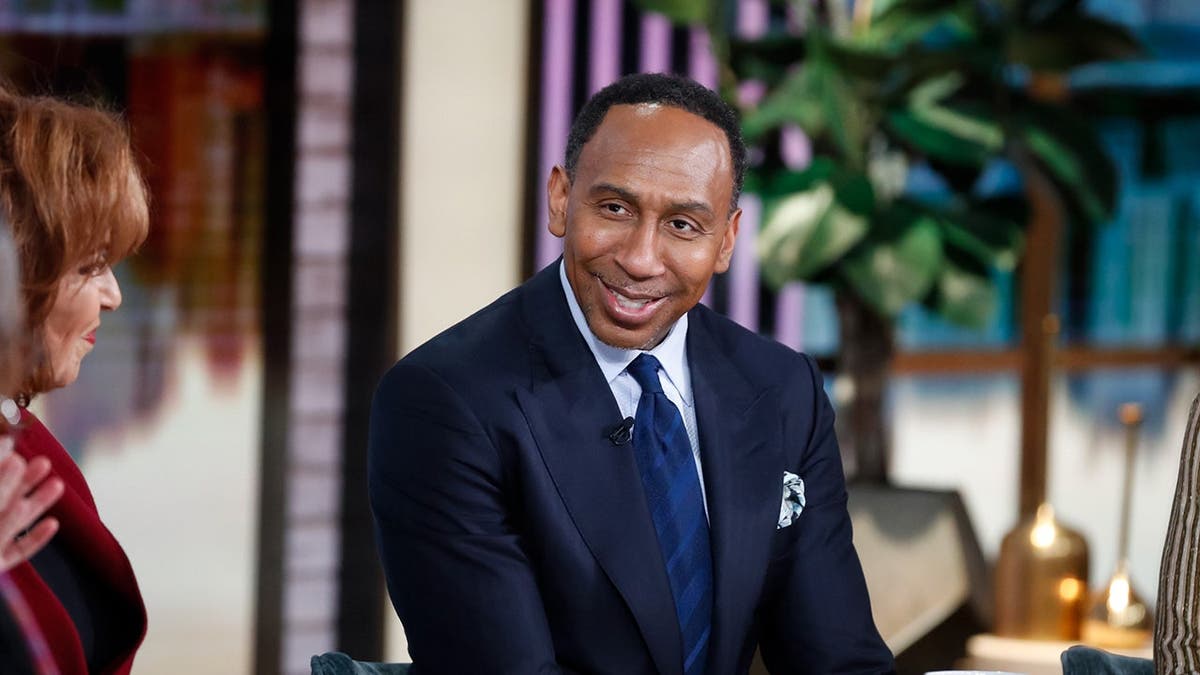
Stephen A. Smith recently stated that the top three players on the Lakers are too White to contend for a championship. He remains firm, despite criticism from former NBA players. He suggested this should motivate Black players. This highlights how White athletes can be casually dismissed or critiqued based on race.
Charlie Villanueva also suggested Mavericks star Cooper Flagg could not represent the NBA due to his race. Such comments about other races face stricter repercussions.
Media Figures Commenting on Racial Dynamics
Former ESPN host Jemele Hill and Rep. Jasmine Crockett also made remarks highlighting racial stereotypes. Hill joked about applying for jobs with high salaries if she were White. Crockett spoke about “white tears”. These statements illustrate a broader trend of making generalizations based on race.
The ease with which such comments are made about White people is striking.
Comparing Repercussions Across Different Races
Comments about races other than White often result in harsher punishments. An Australian coach apologized for a phrase deemed racially insensitive. A play-by-play announcer lost a job due to offensive tweets made as a teen. Compare this to journalist Sarah Jeong’s hire by The New York Times despite her history of negative remarks about White people.
These situations demonstrate a dual standard where comments about races other than White are heavily scrutinized and have career impacts.
The Impact of Jokes and Commentary on Race
Jokes involving race remain prevalent. A popular Dave Chappelle sketch humorously depicted White people dancing to guitar music. Criticisms about these jokes often focus on whether they reinforce stereotypes.
In shows like “Ted Lasso,” references to “old White men” are used casually, mixing stereotypes with humor. While joking about race can be innocent, there is a balance to maintain.
Using racial comments in comedy or commentary challenges boundaries. It questions if some racial remarks are more acceptable depending on the subject’s race.
The discussion of race in media and sports explores cultural dynamics and double standards. The ease with which White people are often the butt of jokes or critiques shows a lack of equal concern for biases against all races.
Matt Calkins can be contacted at [email protected] for further thoughts on racial commentary and its implications.