Reactions to WTA Sex-Testing Policy in Women’s Tennis
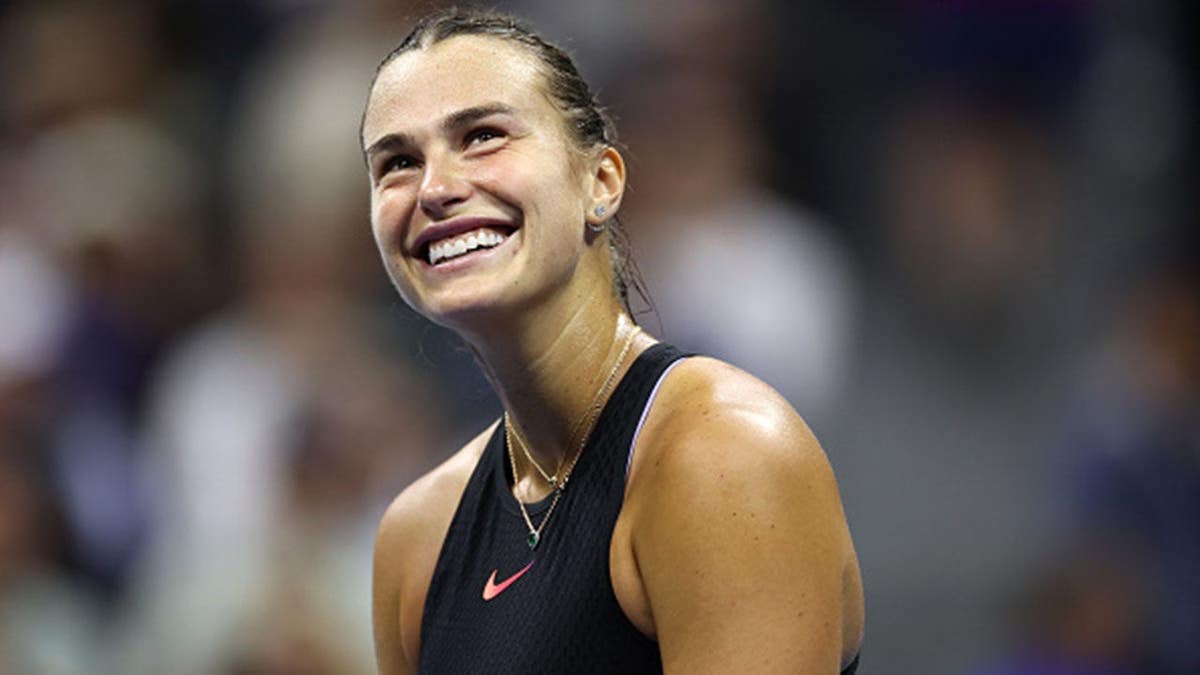
Paula Scanlan, an advocate for women’s sports and a former teammate of transgender swimmer Lia Thomas, appeared on ‘Fox & Friends’ to commend Aryna Sabalenka. Sabalenka, the world No. 1 women’s tennis player, supported the World Tennis Association (WTA) policy that prevents biological males from competing in women’s sports.
Scanlan also discussed comments made by tennis legend Martina Navratilova, who criticized Caitlin Clark for taking a neutral position on the matter. The controversy began when the WTA announced athletes must undergo sex testing to compete, aligning with requirements for the 2028 Los Angeles Olympics.
This was supposed to be invasive and humiliating,said critics of the policy, framing it as part of a broader culture war. However, support from top players challenged this narrative.
Aryna Sabalenka publicly endorsed the new policy. World No. 4 Coco Gauff did not oppose it, surprising activists who expected her support. Despite acknowledging complexities, she agreed in part with fairness in women’s sports, highlighting biological differences.
Jessica Pegula, the No. 3 player globally and a member of the WTA Players’ Council, also didn’t oppose the policy. She mentioned that she’s heard no widespread complaints from other players. Typically, Pegula avoids political discussions, focusing solely on tennis, making her stance noteworthy.
The WTA policy mandates a one-time screening for the SRY gene, related to male sex development. The test, done by cheek swab, blood, or saliva, determines eligibility, ensuring fair competition in women’s tennis. The policy is clear and doesn’t involve “invasive genital exams,” addressing concerns voiced by opponents.
Players’ reactions are critical. Sabalenka emphasized the importance of fairness, noting the biological advantage men possess. Gauff provided a nuanced view, supporting trans rights but recognizing biological realities. Pegula, speaking from a practical perspective, sees no issue thus far, indicating the policy may not spark significant dissent among players.
Concerns about the confidentiality of test results exist, but they remain hypothetical. The debate highlights the importance of defining who competes in women’s sports, focusing on fairness.
Overall, the loudest protests seem to come more from outside the locker room than within, as female players like Sabalenka, Gauff, and Pegula offer various degrees of support or acceptance toward the WTA’s policy.