Recognizing and Avoiding ‘Hi Mom’ Scam Texts
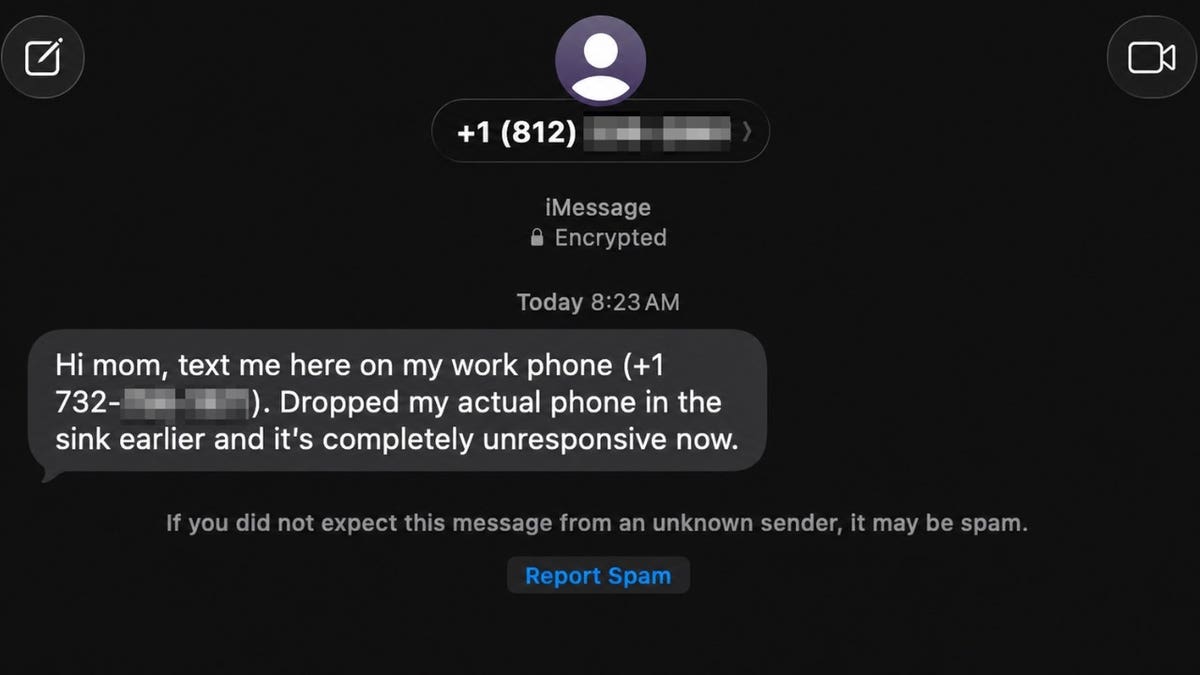
A recent scam text targeting parents can be quite alarming. The message usually reads something like: Hi mom, text me here on my work phone. Dropped my actual phone in the sink earlier and it’s completely unresponsive now.
The text originates from an unknown number and requests you to respond to another unfamiliar number. This misdirection is a key element of the scam, aiming to move the victim into a new conversation before they verify the texter’s identity.
Understanding the Deceptive Strategy
The simplicity of this scam is what makes it effective. A child needing help due to a minor accident like dropping their phone in a sink is entirely plausible. The absence of suspicious links or immediate demands for money makes the scam even more believable. Once you respond, the scammer could pivot to asking for money, citing a need for a new phone or payment for a locked banking account.
Analyzing the ‘Hi Mom’ Text
Each part of the scam text is crafted to appear genuine:
- Hi mom: This lacks specificity, allowing it to resonate with any mother.
- Text me here: Directs you to reply according to the scammer’s terms, keeping control of the communication.
- On my work phone: Provides an explanation for the unfamiliar number.
- Dropped my actual phone in the sink: A common mishap that doesn’t raise suspicion.
- Earlier: Implies urgency without providing details that could be verified.
- Completely unresponsive now: Preempts the idea of verifying by a call.
Risks of Engaging with the Scam
Responding to such a text may seem harmless, but it opens the door to further manipulation. Scammers might ask for money, request security codes, or even attempt to access accounts via payment apps like Zelle or Venmo. Sharing verification codes can lead to unauthorized access to various accounts.
Why Parents are Prime Targets
Parents are naturally inclined to assist when they perceive their children are in trouble. Scammers exploit this instinct, coupling urgency with confusion to lower defenses. The perceived familiarity of the message, written with brevity and urgency, further masks the scam.
Steps to Protect Yourself
- Do not reply: Avoid confirming your number’s activity, which could lead to more scams.
- Call the real person: Use a trusted number from your contacts to verify the situation.
- Ask a personal question: Verify identity with a question only the genuine person can answer.
- Avoid sending money: Be cautious with urgent requests involving payment apps.
- Do not share codes: Keep verification codes secure and never share them.
- Use antivirus software: Protect devices from potential threats and phishing.
- Consider data removal services: Reduce online exposure of personal information.
Actions if You’ve Responded
If a response has already been given, prioritize ending the interaction, securing accounts, and documenting exchanges.
- Stop communication: Cease all contact immediately.
- Screenshot the conversation: Keep evidence for future reference.
- Reach out to the real person: Verify the story using a known contact method.
- Alter compromised passwords: Update account protections using a password manager.
- Contact your bank: Inform them if money has been exchanged to possibly reverse the transaction.
Conclusion
The ‘Hi Mom’ scam preys on familiarity and urgency without overt threats, making it particularly insidious. The best defense is hesitating before responding. Verify communications with known contacts and consult with the family if unsure. This brief pause can safeguard your finances, accounts, and peace of mind.