Record Number of Women Elected in Midterms Could Shift Policy Priorities
A historic number of women surged into various political offices in the recent midterm elections. These victories spanned governorships, congressional seats, and statewide offices. Experts indicate this shift might influence healthcare, childcare, and reproductive rights policies.
Projections show at least 155 women will serve in Congress next year, exceeding the previous record of 152 in 2024. Women now make up nearly 30 percent of lawmakers. The U.S. House of Representatives will see at least 111 Democratic women for the first time, according to the Center for American Women and Politics (CAWP) at Rutgers University, compared to 17 Republican women.
Statewide, 106 women will hold elective executive offices by 2027, an increase from 97 currently. Women are expected to fill at least 34.2 percent of these roles, which include governors, attorneys general, and secretaries of state, who hold considerable sway over laws and policies.
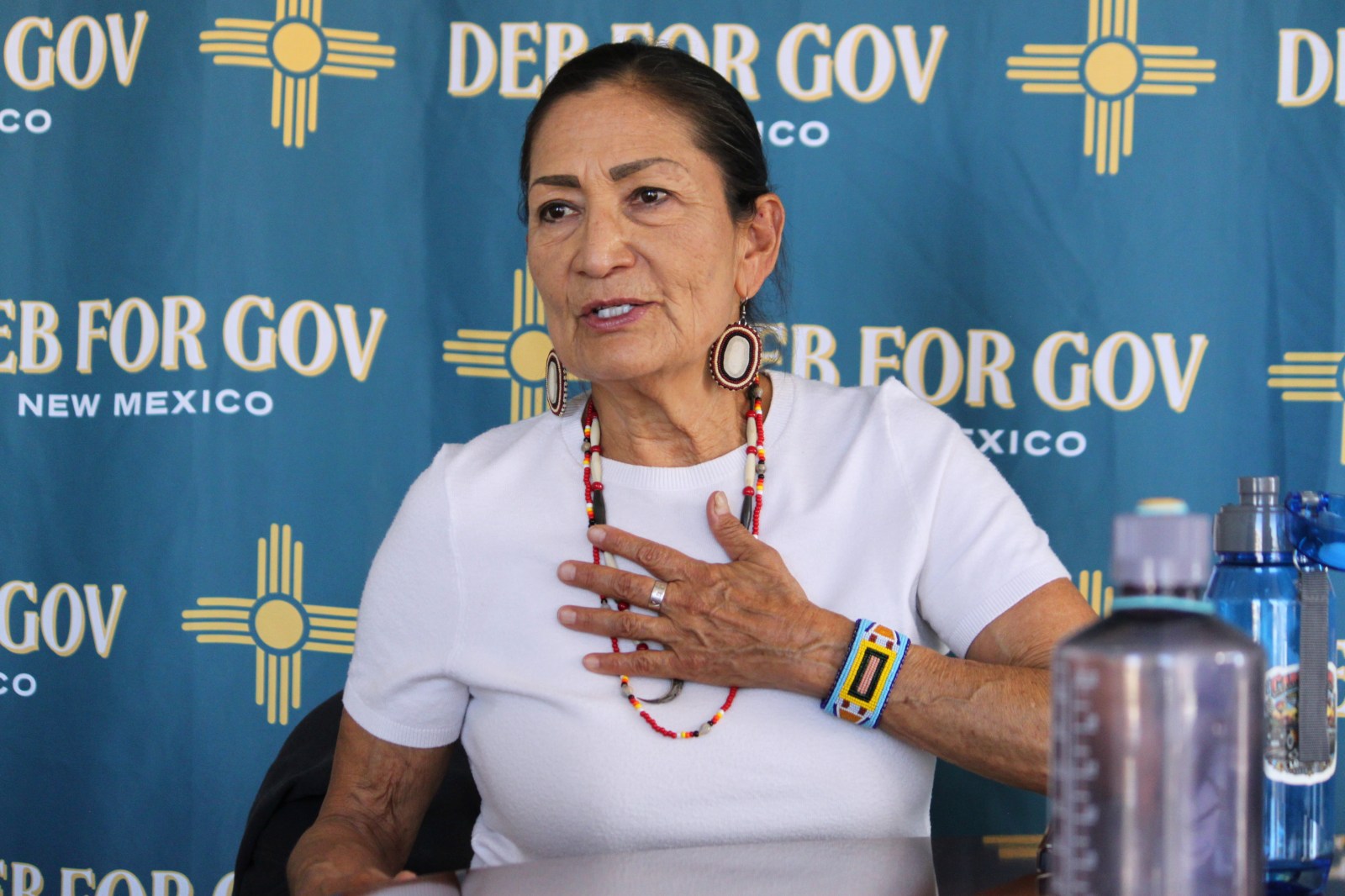
In Georgia, Keisha Lance Bottoms became the first Black woman governor in U.S. history. Gina Hinojosa broke records as Texas’s first female governor in over 30 years and the first Latina. Deb Haaland’s victory marked her as the first Native American governor in U.S. history.
Mary Ziegler, an abortion politics historian, remarked on the significant shift. The key question now is the impact of women holding positions deciding on spending, legislation, healthcare, and executive power.
Party affiliation remains a strong predictor of voting behavior. The majority of the women elected were Democrats, which confounds the separation of gender and party effects. However, representation influences governmental priorities.
When you’re making legislation, you always want a diversity of experience at the table,said Michele Swers, a professor at Georgetown University who studies women in Congress.
Historically, women lawmakers have focused more on healthcare, childcare, education, paid family leave, and maternal health. These issues may gain political capital when women prioritize them. This new wave of women often campaigned on such experiences.
In her victory speech, Hinojosa expressed her dedication to public schools and teaching in Texas. Swers noted that changes due to women’s political gains often unfold gradually. Policies evolve over years with negotiations and committee work, rather than rapid legislative action.
Swers highlighted seasoned lawmakers like Senator Patty Murray and Representative Rosa DeLauro, who have long championed family leave and healthcare. They now hold positions that influence federal spending and negotiations.
The increase in female representation draws comparisons to the 1992 “Year of the Woman,” which saw a record 54 women elected to Congress. Senator Patty Murray, initially underestimated, rose to become a Senate powerhouse.
Abortion Access on the Ballot
The Democratic surge could heavily impact abortion rights, a key issue following the Supreme Court’s Dobbs decision. While other topics overshadowed abortion in recent campaigns, it remains influential in elections.
According to Kelly Baden from the Guttmacher Institute, abortion is a factor in every race, regardless of explicit campaign focus. Voters often overlook the significant influence statewide offices can have on abortion access.
Baden mentioned Texas, where incoming attorney general Nathan Johnson signals potential policy shifts. As a major state and a hub for interstate abortion travel since its abortion ban, Texas’s policy changes could resonate beyond its borders.
Georgia also plays a crucial role, as Lance Bottoms aims to repeal a restrictive abortion ban. Georgia’s position as an abortion access point in the Southeast means that policy changes there could impact neighboring states.
Ziegler noted that despite Democratic successes, challenges remain for abortion access. Federal cases and policies still pose threats, illustrating that many debates are unresolved.