Republican Bill Proposes Student Loan Transfer to Treasury
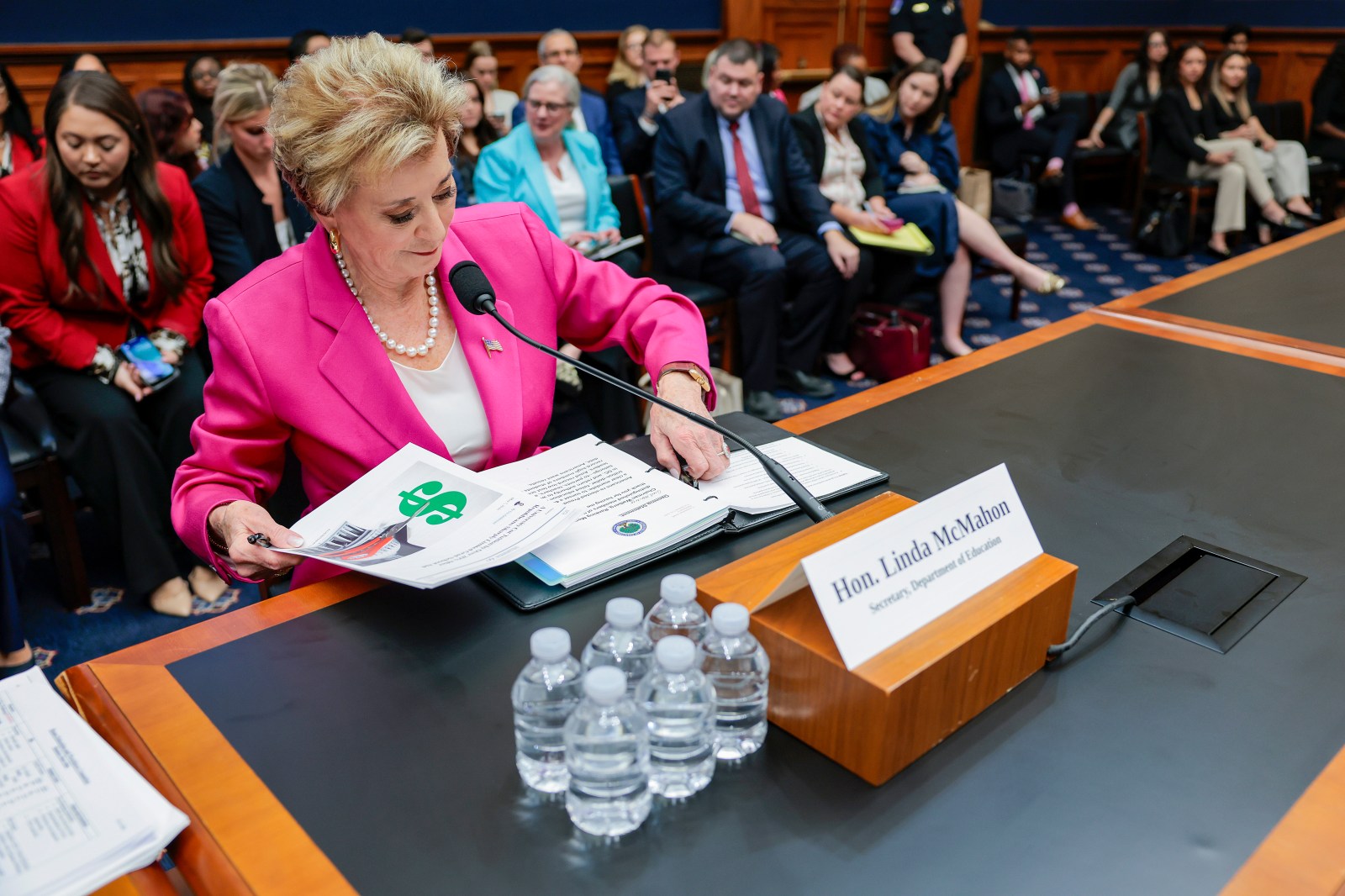
House Republicans have put forward a bill to officially transfer millions of federal student loan accounts from the Department of Education to the Treasury Department. This measure aims to make the Trump administration’s effort to reduce the Education Department’s role in student debt management a permanent fixture in law. The bill is part of a package of 10 proposals by House Republicans to redistribute responsibilities among federal agencies for what they describe as “right-sizing” the Department of Education.
Impact on Borrowers
This proposed change could affect over 40 million Americans with federal student loans and significantly alter the management of the government’s $1.7 trillion student loan portfolio. Borrowers are left questioning who will manage their loans and how repayment programs will function. Concerns also loom regarding the Treasury’s capacity to handle the logistical demands of overseeing these millions of loans.
Stage-Based Implementation
The transition of student loans from the Education Department to the Treasury is expected to occur gradually. Initially, the focus will be on borrowers who are in default on their loans. An agreement between the Education and Treasury departments outlines that the Treasury will take responsibility for collecting these defaulted debts, with the possibility of gradually managing non-defaulted loans as well.
“This proposal would not erase student loans or automatically change what they owe, but would instead move the operation behind federal student-loan servicing and collection from the Education Department toward the Treasury Department, starting with defaulted loans and potentially expanding from there,” said Alex Beene, a financial literacy instructor.
House Education and Workforce Committee Chairman Tim Walberg expressed that the bills aim to assign responsibilities to agencies considered more capable of fulfilling them. He stated that these adjustments are intended to eliminate unnecessary bureaucratic layers hindering families from accessing services they depend on.
Current Expectations for Borrowers
For now, borrowers should not expect immediate changes in payment processes. Upon the agreement announcement, officials assured that borrowers would keep using their existing loan servicers and maintain their current payment methods during the transition. Initially, borrowers with defaulted loans are likely to be affected as the Treasury prepares to manage the defaulted loan portfolio.
The Trump administration suggested that transferring responsibility to the Treasury could enhance collections and taxpayer accountability. Treasury Secretary Scott Bessent stated that the Treasury brings the necessary experience, capability, and expertise to bring financial discipline to the program.
Concerns and Challenges
Despite support for the transfer, questions remain regarding the Treasury’s ability to handle the intricate repayment and forgiveness programs. Alex Beene voiced caution about potential risks such as credit damage and delayed relief if challenges arise during the transition. Additionally, there are legal concerns since federal law assigns federal student aid program responsibility to the Education Department. Therefore, moving loan accounts to the Treasury may face legal challenges.
Numbers and Next Steps
The federal government oversees about $1.7 trillion in student debt, with defaulted loans accounting for roughly $180 billion, or approximately 11 percent, of the federal portfolio. More than 40 million Americans have federal student loans, and a broader dismantling of the Department of Education could greatly impact these borrowers.
The proposal will require Congressional approval to become law. In the meantime, preparations for the student loan transfer continue under the existing March agreement between the Education and Treasury departments.