Republican Financial Push in Key Senate and House Races
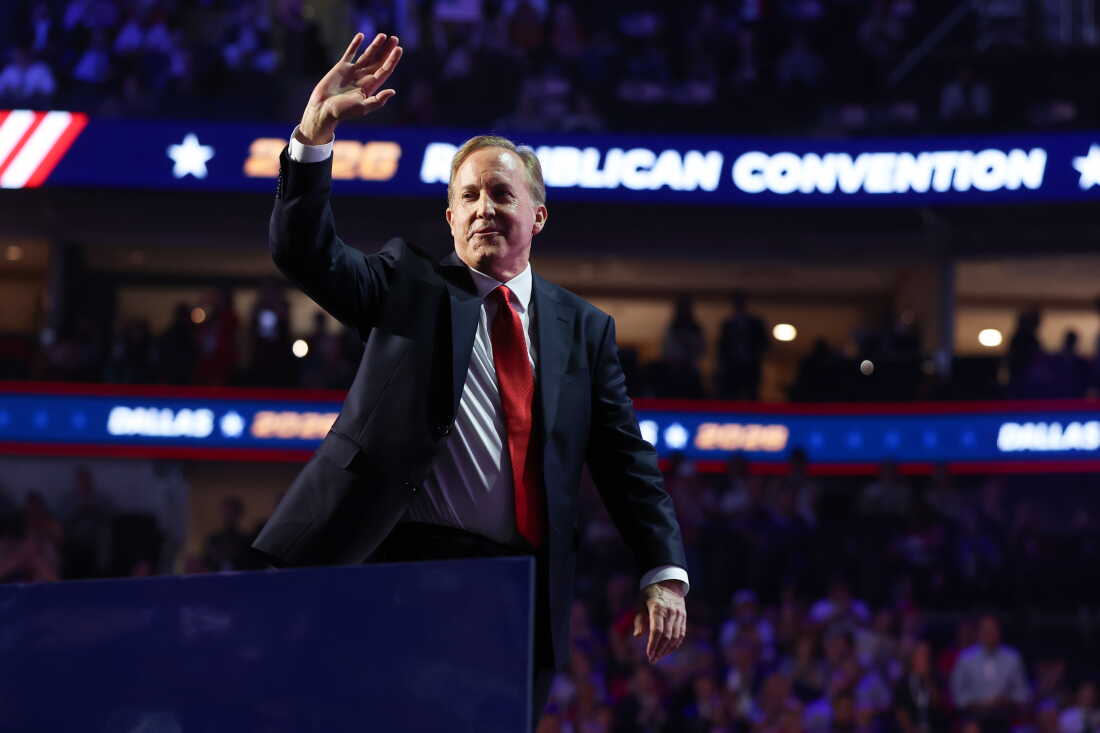
Ken Paxton, the Texas Senate nominee and state attorney general, highlighted his urgent need for financial support during the Republican convention in Dallas. For months, Paxton faced significant financial challenges, first in a tough primary and then against Democratic nominee James Talarico, who had substantial funds to introduce himself to voters.
This situation changed recently when Republican super PACs and dark money groups, including President Trump’s MAGA Inc. and Texas PAC, stepped in with massive financial support. In September alone, pro-Paxton ad reservations exceeded $94 million, compared to approximately $20 million for Talarico. According to AdImpact, this GOP spending in support of Paxton surpasses the total ad spending by Democrats for the entire election cycle in Texas.
“He is the most radical Democrat in Texas history, but he’s also the most well funded,” Paxton said about Talarico, seeking prayers, votes, and support from the attendees at the convention.
Talarico, a state representative, managed to raise significant sums through television appearances and fundraising efforts. As of the end of June, Talarico had 12 times more cash on hand than Paxton. However, this advantage is overshadowed by the ability of super PACs and dark money groups to raise unlimited funds, which have been boosting Republicans across the country since Labor Day.
Heading into the final weeks of the 2026 midterms, Republicans have a clear spending advantage. NPR analysis of AdImpact data indicates that Republican candidates and groups have committed to spending over $557 million on ads in the nine most competitive Senate races this fall. This contrasts with Democrats’ $343 million spending. Aside from Georgia, Republican ad spending outpaces Democrats in all other contests.
Scott Jennings, a seasoned Republican strategist, noted that the influx of funds allows Republicans to effectively convey their messages and differentiate their campaigns in battleground states and districts.
This financial cavalry has materialized with more than $150 million in initial ad reservations from MAGA Inc. and two Trump-aligned groups, No Going Back PAC and Safety and Affordability PAC. These funds are financing TV, streaming, and digital ads, aimed at attacking Democratic candidates in both Senate and House races.
The heavy ad spending serves more than just offense; significant portions are allocated to defensive efforts. Ad reservations highlight where Republicans see the need for substantial support, even in areas that traditionally favor Trump, such as Alaska, Texas, North Carolina, and Ohio. These races are critical as losing them could tip the Senate majority to Democrats.
Similarly, House seats in districts where Trump won by substantial margins in 2024, such as Texas’ 15th, Kentucky’s 6th, and Alabama’s 2nd, are receiving noteworthy financial support.
The political climate poses challenges for Republicans. The incumbent president’s party typically suffers losses in midterm elections, and the current president’s unpopularity, along with unpopular policy decisions, contributes to their woes. Despite such challenges, Trump’s fundraising prowess remains strong.
“I think I have like close to $1 billion in the super PAC,” Trump mentioned, planning a hefty allocation for the midterms to prevent setbacks. Democratic strategist Jesse Ferguson anticipated the financial disparity and highlighted Trump’s affinity for transactional politics.
While current spending illustrates where parties are focusing their efforts, the ad spending landscape can evolve rapidly. For example, minimal ads are booked in Texas beyond October, whereas the Ohio Senate race has over $116 million locked in for future ads.
Even though Republican groups have more cash than Democrats, the opposite is true for campaign funds. Campaigns benefit from cheaper ad rates than super PACs, enhancing their advertising efficiency. Ferguson points out that money can offer strategic shelter but cannot change voter sentiments. He likened it to an umbrella, emphasizing that although it shields campaigns, it does not alter core voter concerns.
This financial push is crucial for Republicans as they strive to maintain Senate seats and inject millions into House districts, reshaping political maps to ensure competitiveness in challenging elections.