Return of Screwworm Raises Alarm but Food Supply Unaffected
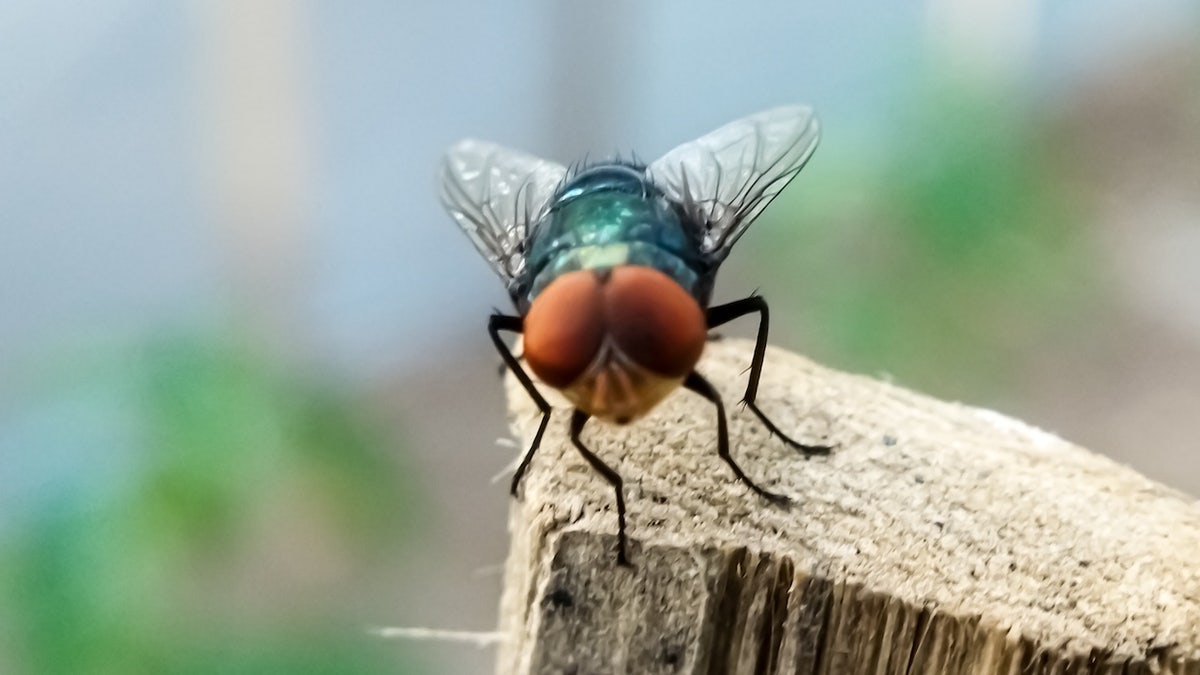
The return of the New World screwworm, a flesh-eating parasite eradicated from the U.S. in the 1960s, has sparked concerns about its potential impact on the nation’s food supply. Unlike foodborne illnesses such as norovirus, E. coli, and salmonella, experts confirm that the screwworm does not threaten the safety of food on dinner tables.
“The U.S. food supply is not compromised by New World screwworm, which is an animal issue but not a foodborne pathogen issue,” stated Dr. Aaron Glatt, chief of infectious diseases at Mount Sinai South Nassau Hospital.
While the screwworm infestation affects live animals, it does not lead to contamination in meat, milk, or produce. Screwworms perish during standard meat processing and cooking. The parasite, native to South America and the Caribbean, migrated north through Central America and Mexico following a 2023 outbreak in Panama and Costa Rica.
Current Outbreak
On June 3, health officials identified a screwworm case in a three-week-old calf in Zavala County, Texas, marking the first U.S. detection since its eradication, excluding a localized outbreak in deer in the Florida Keys from 2016 to 2017. Since early June, 33 cases have been reported in animals in Texas and New Mexico, including cattle, goats, and a pet dog.
Safety Measures
The U.S. milk and food supply undergoes routine testing by regulatory agencies. Animals intended for human food production must pass inspections to ensure food safety and humane treatment.
“An infestation or animal illness making meat unsafe for consumers will prevent the animal from entering the food supply,” a USDA spokesperson explained.
At slaughterhouses, animals showing signs of illness are isolated and labeled as “U.S. Suspect” for further examination by public health veterinarians.
Transmission
The screwworm is a fly that infects warm-blooded animals. It lays eggs in wounds, which hatch into maggots that burrow into the flesh. This cycle spreads only through wound infection, not through meat, poultry, or dairy products.
“It’s important to note that people do not catch screwworm from other people, and they do not become infected by eating meat,” Dr. Bobbi Pritt of the Mayo Clinic informed.
Combating the Spread
The USDA uses the sterile insect technique to control outbreaks by releasing sterile male flies. This method helped eradicate the parasite in the 1960s. A $21 million renovation of a sterile screwworm fly production facility in Mexico is underway, and a new “fly factory” in Texas is expected to open by November 2027.
Seeking Medical Attention
In rare cases of human infection, symptoms like a non-healing wound with pain, redness, and visible fly larvae necessitate medical attention. Maggots should not be removed without assistance to prevent worsening the infection.
To guard against infection, the CDC advises:
- Keeping wounds covered
- Wearing long sleeves and pants, hats, and socks
- Using EPA-registered insect repellent
- Protecting clothing with 0.5% permethrin products
- Avoiding sleeping outdoors
- Ensuring screened tents and closed windows if sleeping indoors