Rising Cases of Rare Tick-Borne Viruses in the U.S.
The number of cases involving Powassan virus, a rare disease carried by ticks, has reached concerning levels. Dr. Marc Siegel, a senior medical analyst at Fox News, highlighted the issue, noting 15 cases reported this year. This follows 76 cases recorded in 2025. Siegel advises parents to check their children for ticks after activities like summer camp, stressing the need for caution as there’s no specific treatment or vaccine available for the virus.
Among prevention measures, Siegel suggests using insect repellents and wearing protective clothing to minimize exposure during peak times for tick activity.
Currently, a new tick-borne virus, the Bourbon virus, has been confirmed in New York, marking its first appearance there. Research led by Stony Brook Medicine warns that unrecognized cases of this virus could increase, complicating diagnosis efforts.
Since its identification in 2014 in Kansas, only six human cases of Bourbon virus have been reported. The virus has caused two confirmed deaths, including one in 2014 and another in 2026. Authorities believe there are more cases that have not been diagnosed due to the lack of commercial tests. Symptoms include fever, fatigue, rash, headache, and nausea.
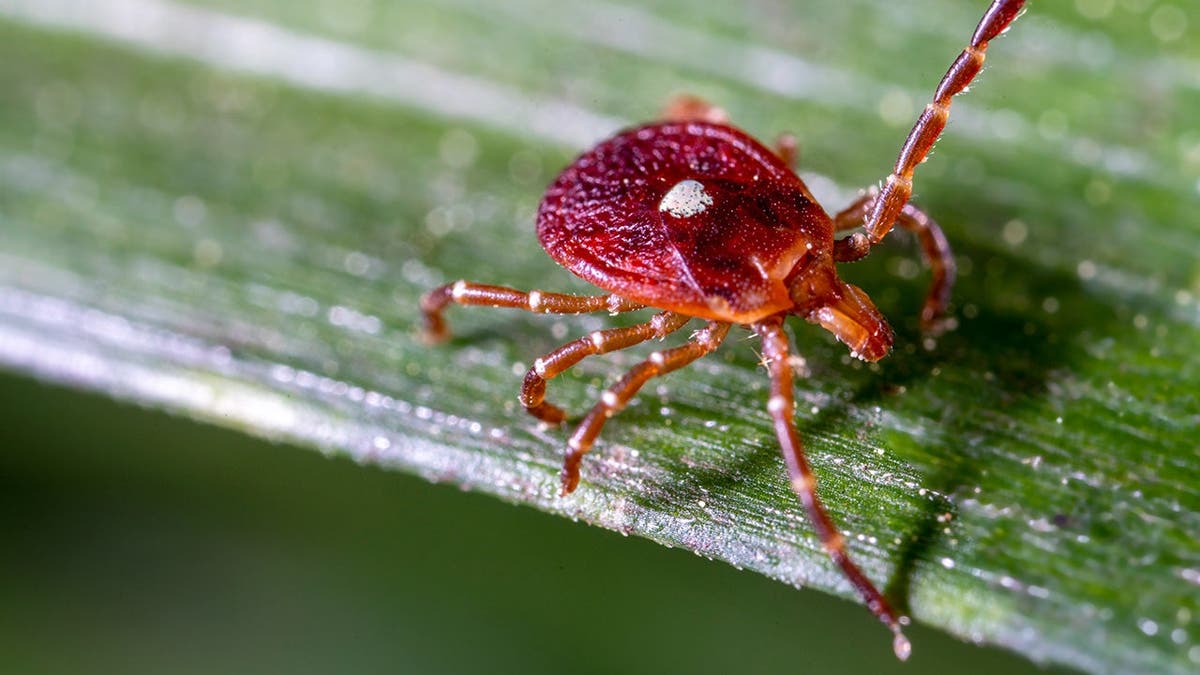
New diagnostic challenges arise as medical professionals are often unfamiliar with the virus. Lone star ticks, the carriers, are notable for a distinct white dot on their backs. These ticks are becoming more prevalent in various U.S. regions.
Stony Brook Medicine confirmed a severe case in Long Island where the patient was hospitalized with significant antibody increases against the virus.
Dr. Luis Marcos of Stony Brook Medicine emphasizes the need for greater surveillance and improved testing. His team argues for a better understanding of the virus’s impact, especially in high-risk regions.
Information from the Centers for Disease Control (CDC) shows that the lone star tick is common in the Northeast, South, and Midwest. The ticks are aggressive and effective in spreading disease, requiring careful preventive measures including protective clothing and insect repellent.
Checking for ticks after outdoor activities and seeking medical advice if flu-like symptoms appear is crucial. Permethrin-treated clothing and avoiding overgrown areas further reduce tick bite risks.
Careful attention and preventative strategies remain essential as experts continue to explore the reach and impact of these emerging tick-borne threats.