Rising Endometrial Cancer Cases Among Young Women
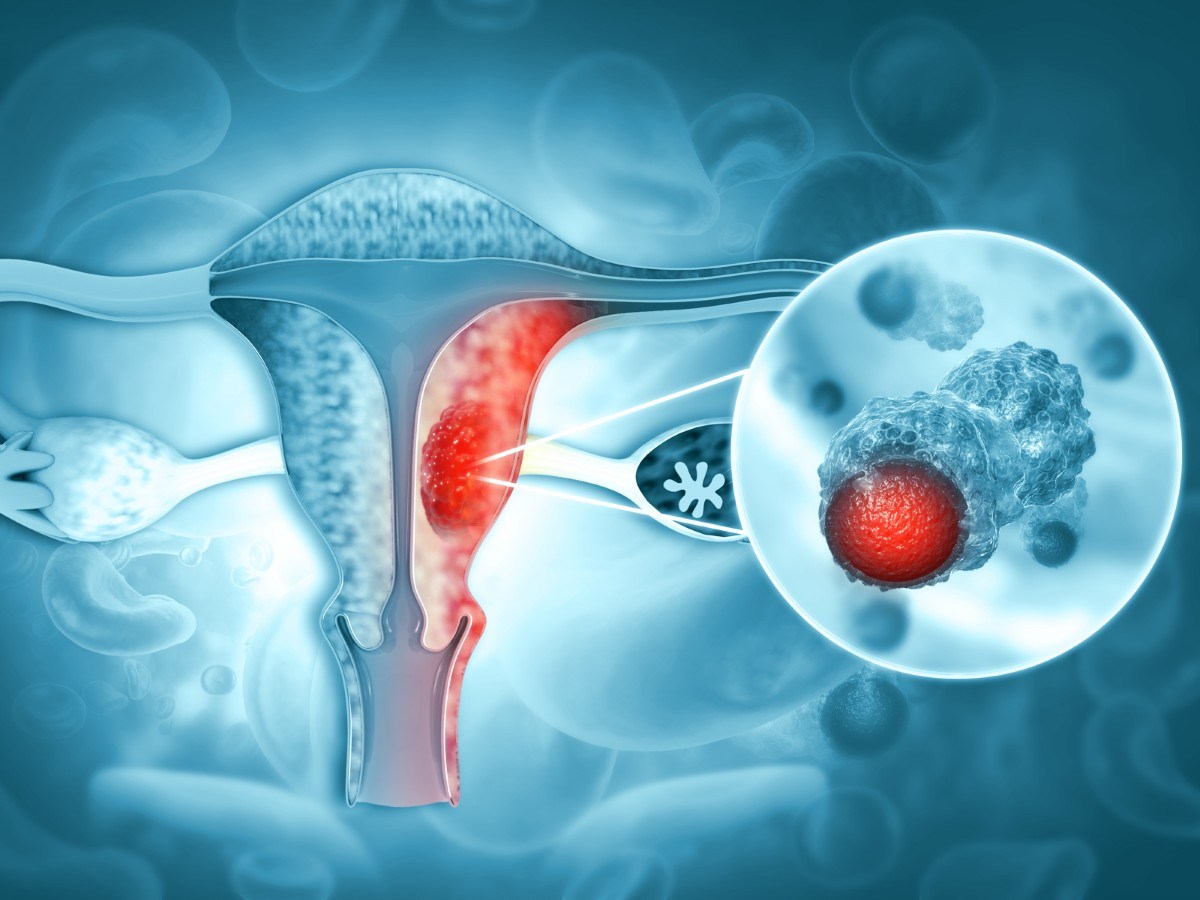
Endometrial cancer cases are increasing among young women, with significant rises noted among Native American and Hispanic groups. Research at the University of Arizona Cancer Center highlights these populations are diagnosed at younger ages compared to others.
Healthcare Disparities
Disparities in healthcare access and socioeconomic status are factors that contribute to this trend. These conditions impact food security and obesity rates, which are known risk factors for endometrial cancer. Prior studies highlight that minority communities face food insecurity, reduced access to healthy foods, and higher rates of adverse health outcomes, including diabetes and cancer.
Melissa Herbst-Kralovetz, director of the Women’s Health Research Program at the University of Arizona, expressed concern over these findings. Their study found Native American and Hispanic women present endometrial cancer 8 to 12 years earlier than white women. This challenges assumptions about endometrial cancer as a disease of older women.
Study Insights
The study, published in Cancer Medicine, analyzed data from 261 women who had gynecologic surgery between 2016 to 2021 at Banner University Medical Center Phoenix. Of these, 168 had endometrial cancer.
Findings showed Native American women are typically diagnosed at 49.8 years. For white patients, the average age is 62. Hispanic women usually receive a diagnosis at 53.7 years, compared to 61.6 for non-Hispanic patients.
Interesting discoveries include higher diabetes rates among Native American and Hispanic women, despite no differences in body mass index across groups. This highlights the need to understand how metabolic health interacts with genetics and social determinants.
Hispanic women showed higher social vulnerability via the Arizona Social Vulnerability Index. They often experience household crowding and lack transportation access, impacting healthcare availability.
Contributing Factors
Assistant professor Michael Wilson notes that obesity and diabetes, which are increasing, are established risk factors for endometrial cancer. Obesity can stimulate estrogen production affecting the endometrium.
Emerging research suggests that social vulnerability, perhaps through chronic stress pathways, is linked to endometrial cancer incidence and outcomes. Studies also suggest potential links between certain hair products and the cancer due to endocrine-disrupting chemicals.
Steps Forward
Further research is necessary to understand how social vulnerability affects cancer development and outcomes. Melissa Herbst-Kralovetz stresses seeking medical advice for abnormal uterine bleeding, the top sign of endometrial cancer.
Herbst-Kralovetz’s team is developing a self-collected vaginal swab for early detection and aims to improve access, particularly in rural areas, reducing travel barriers for testing.
Citation: Nicole R. Jimenez et al. (2026) Retrospective Chart Review Indicates Earlier Age of Endometrial Cancer Diagnosis and Elevated Housing and Transportation Vulnerability in Hispanic and Native American Populations. Cancer Medicine. DOI: 10.1002/cam4.72379