Rising Leprosy Cases in Florida Linked to Armadillo Exposure
Recent reports indicate an increase in leprosy cases in Florida, with health officials connecting many instances to contact with a specific animal. As reported on July 23 by Florida’s Department of Health, 17 cases have been identified statewide, with 81% located in Central Florida. The counties most affected include Volusia, Brevard, Lake, Orange, and Seminole.
In 2022, Florida recorded 36 leprosy cases, marking a record high since tracking began in 1992. Of these, at least 26 cases originated in Florida, one was contracted out of state, and two were linked to international travel. The origin of the remaining seven cases remains unknown.
Understanding Leprosy
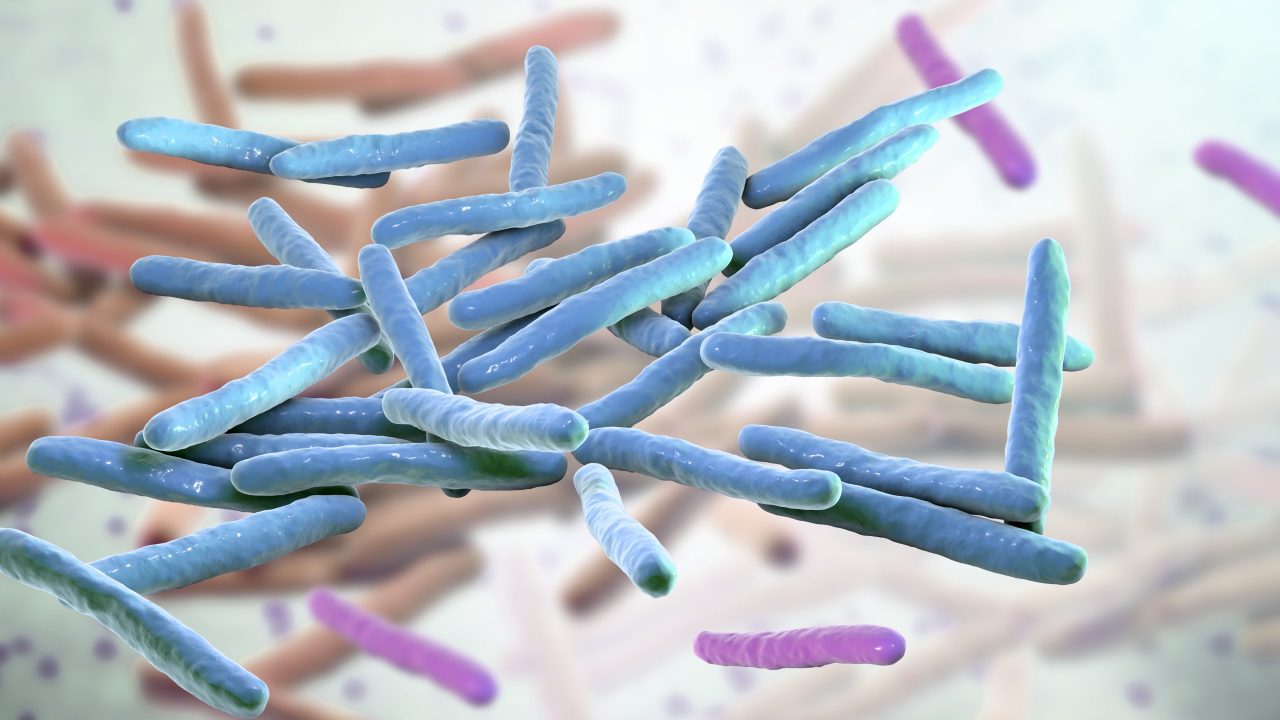
Leprosy, also called Hansen disease, is a chronic infectious condition caused by the slow-growing bacterium Mycobacterium leprae. Symptoms may appear up to 20 years after exposure.
Signs of leprosy include lesions, lumps, and ulcers on the skin, as well as loss of eyebrows and eyelashes. The disease also impacts peripheral nerves, linking the brain and spinal cord to the skin, muscles, and internal organs. This can lead to loss of sensation in touch and pain, increasing the risk of cuts and burns.
Contrary to past beliefs, leprosy is not highly contagious. The Centers for Disease Control and Prevention (CDC) clarify that transmission between humans requires close, prolonged contact with an infected person’s saliva or mucus. Approximately 95% of people are naturally immune to the disease.
In the U.S., leprosy is rare, with approximately 225 diagnoses each year. Globally, there are around 250,000 cases, with most Americans contracting the disease during international travel.
Armadillos as a Source of Infection
Health officials suggest that the increase in cases may be linked to nine-banded armadillos, native carriers of Mycobacterium leprae. These creatures are common in Mexico, the southern U.S., and central and northern Florida. They are regarded as invasive pests due to their disruptive foraging and burrowing behaviors.
People can become exposed to the bacteria by handling armadillos or coming into contact with soil near their burrows or feeding grounds, which might be contaminated by the animals’ droppings or bodily fluids.
Treatment and Prevention
Leprosy is treatable and can be cured if detected early. Treatment involves multi-drug therapy using a combination of antibiotics, rendering the patient non-infectious once treatment begins. Based on leprosy type, treatment could last from one to two years.
The CDC provides several guidelines to decrease exposure risk to the bacterium that causes leprosy:
- Avoid touching or holding armadillos
- Refrain from hunting or consuming armadillos
- Use repellents or traps to keep them out of yards
- Wear gloves and long sleeves when working with soil where they dig
- Wash hands thoroughly with soap and water after outdoor work
- If unavailable, use alcohol-based hand sanitizer for bacteria removal
Copyright 2026 Nexstar Media Inc. All rights reserved. This material may not be published, broadcast, rewritten, or redistributed.