Roy Cooper Wins North Carolina Senate Seat, Marking a Key Democratic Flip
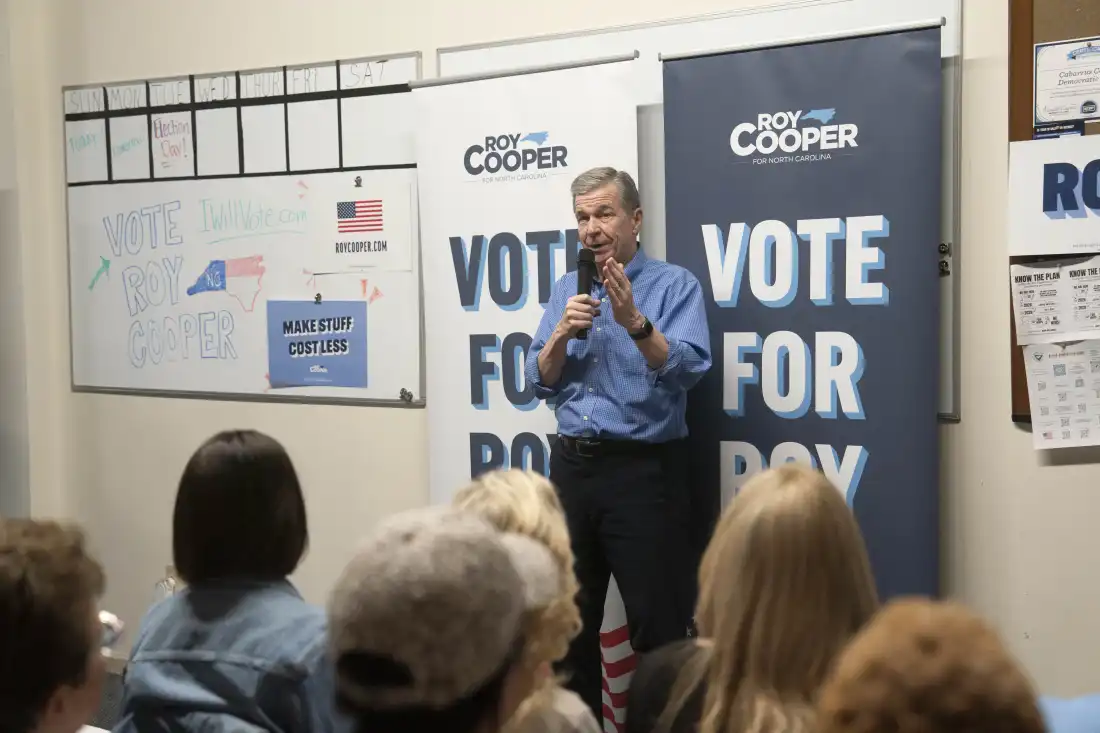
Campaign Victory in North Carolina
Former North Carolina Governor, Roy Cooper, won the state’s open U.S. Senate seat, as reported by the Associated Press. This victory marks a significant political shift, with Cooper being the first Democrat elected to the Senate from North Carolina since 2008.
Race Details and Opponent
Cooper faced Michael Whatley, previously a Republican National Committee chair, chosen by President Trump to succeed the retiring GOP Sen. Thom Tillis. Cooper’s campaign outspent Whatley significantly, bolstered by national Democratic support. In contrast, weeks before the election, GOP national groups relocated their advertising funds from North Carolina to other battleground states such as Kansas.
Campaign Focus and Strategies
Cooper, who governed North Carolina from 2017 to 2024, concentrated his campaign efforts on affordability, promoting his ‘Make Stuff Cost Less’ tour across the state. Whatley, focusing on crime and immigration, criticized Cooper for a pandemic-era legal arrangement addressing prison overcrowding through inmate releases. However, polls indicated economic concerns overtook crime issues among primary voter concerns.
Republican Strategy Commentary
Republican strategist Patrick Sebastian, though not involved in Whatley’s campaign, underscored the missed opportunity in emphasizing economic issues over others. He noted, “It’s really the economy as Issue A, and government corruption as Issue B, that people follow most.” This disconnect, according to Sebastian, poses challenges in connecting with everyday voters struggling with increasing grocery prices.
Race Dynamics and Outcomes
Initially deemed highly competitive and potentially costly, the Senate race saw Whatley trailing in polls continuously, widening Cooper’s lead as the campaign progressed. Even with Trump’s and Vice President Vance’s rallies boosting GOP voter base turnout, these efforts fell short of salvaging Whatley’s prospects. Tillis had declared his non-reelection intentions after presidential fallouts over policy disagreements, further complicating Republican dynamics. His focus shifted to promoting a new book critiquing his party’s stance.