Saudi Arabia, Turkey, and Pakistan Sign Defense Pact
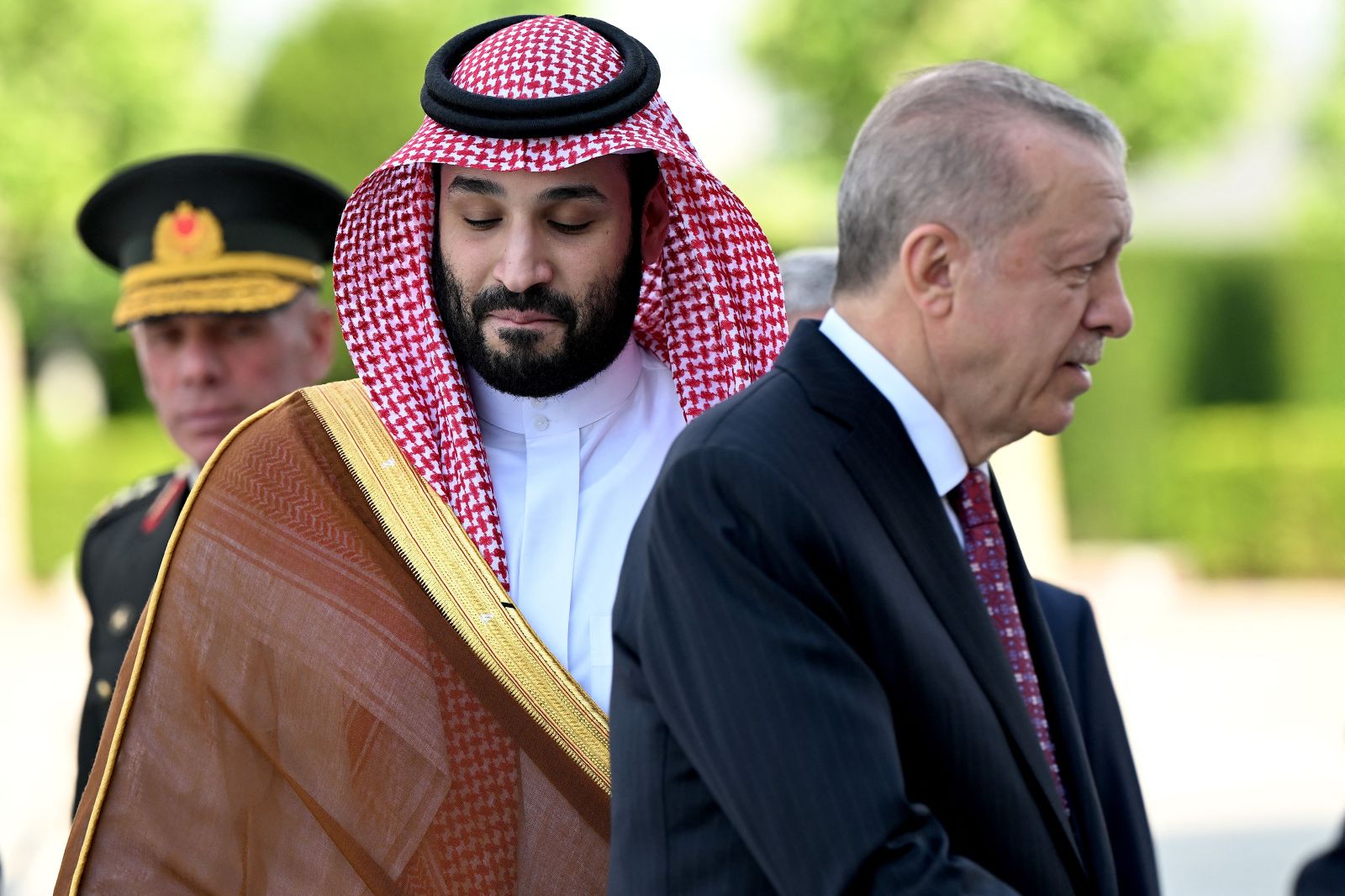
Saudi Arabia, Turkey, and Pakistan have entered into a significant mutual-defense agreement. This pact, signed after lengthy negotiations, could shift power dynamics in the Middle East amid ongoing instability due to conflicts involving Iran.
The Mecca Joint Defence Agreement
The agreement, known as the “Mecca Joint Defence Agreement,” was finalized on Friday. It establishes a collective-defense framework similar to NATO. An attack on one member is considered an attack on all, although specific military duties are not publicly detailed. This arrangement aims to bolster cooperation among these influential nations during a time of increasing regional turmoil.
Context and Implications
The announcement of this pact coincides with a worsening regional crisis. The Iran war has led to missile strikes, maritime disruptions, and threats to energy infrastructure. These issues have driven regional powers to enhance security partnerships.
Why The Pact Matters
This agreement significantly affects future attacks on Saudi Arabia. Any assault on a member state would potentially involve Turkey and Pakistan. While the focus is on defense, it’s clear that the alliance targets regional stability. Saudi Arabia has faced threats from Iranian missiles and drones, as well as attacks by Tehran-backed groups in Yemen and Iraq. These factors have urged Riyadh to strengthen security ties with Turkey and Pakistan.
Regional Competition Beyond Iran
While concerns over Iran’s influence loom large, the agreement also fits into a wider context of Middle Eastern power dynamics. Notably, Israel, the United Arab Emirates, and India have formed a separate alignment. Cooperation between Israel and the UAE has deepened since the Abraham Accords. Additionally, Israeli Prime Minister Benjamin Netanyahu and Indian Prime Minister Narendra Modi have engaged in defense collaboration involving the UAE and the United States.
According to analyst Marc Saxer, “Israel and Iran are competing for regional hegemony.” Meanwhile, a coalition involving Saudi Arabia, Pakistan, Turkey, and Egypt aims to balance against both powerhouses. Recent discussions between Netanyahu and Modi highlight the growing coordination between Israel and India.
Shifting Alliances
Turkey and Saudi Arabia have strengthened ties despite past rivalries. Pakistan remains a crucial security partner for Saudi Arabia and is the only nuclear-armed Muslim nation.
Why U.S. Allies Are Seeking New Paths
The agreement emerges as these countries navigate a conflicted region and reassess the United States’ future security role. Analysts indicate that regional powers are increasingly forming independent security alliances. Abdulaziz Sager, chair of the Gulf Research Center, notes this agreement reflects a tendency for regional coordination in security affairs, indicating a potential shift towards a more localized security framework.
What Lies Ahead
Questions remain about the pact’s practical implementation. While the agreement sets a collective defense principle, details on military commitments are absent. Therefore, it may act more as a deterrent and political gesture than a guaranteed military response.
Nevertheless, the stakes are high. Should Saudi Arabia face another significant attack, Iran would need to consider the possibility of involving Turkey and Pakistan. The pact signals a clear intent by regional powers to establish their own security structures amid a shifting geopolitical landscape.
Contact Newsweek editors on this story: Jason Lemon and Sam Wilson.