Scottish Researchers Develop Healthier Sausage Roll Pastry
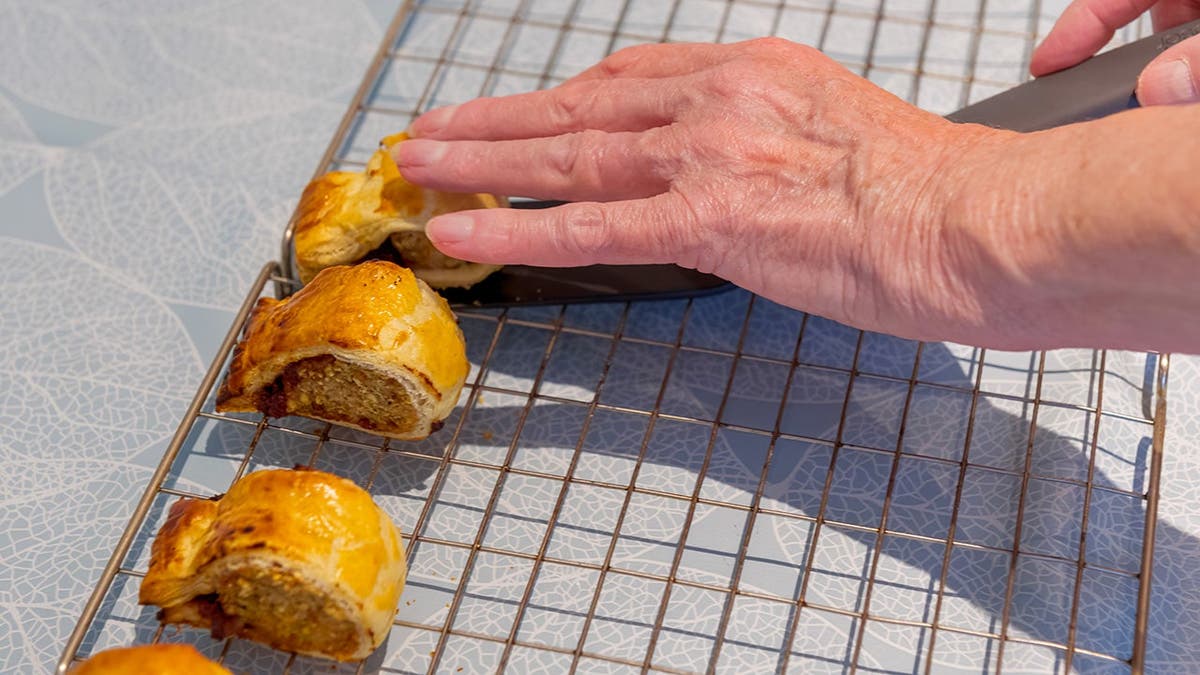
Scottish scientists are pioneering a healthier version of the beloved sausage roll by creating a plant-based substitute for conventional pastry fats. This initiative at Heriot-Watt University in Edinburgh marks a key milestone as the experiment transitions from the lab to an industry partner’s kitchen.
Innovative Food Science
Professor Stephen Euston, a leader in this research, emphasized the potential impact of merging innovative food science with everyday consumer cooking. This approach aims to make healthier versions of popular snacks, such as the sausage roll, which remains a favorite in the UK.
“Sausage rolls, a British staple, sell between 10 to 15 million units weekly, with the most popular versions containing 11 to 12.4 grams of saturated fat,” Euston remarked, noting the high saturated fat content that exceeds 60% of the daily recommended limit for adults.
Euston and his team aim to achieve a pastry with familiar flavor and texture but significantly less saturated fat. Beyond sausage rolls, this effort may extend to other baked goods that use laminated pastry, such as croissants and Danish pastries.
Challenges in Pastry Creation
The creation of flaky pastry traditionally involves layering butter or lard with dough. As the pastry bakes, steam causes the layers to separate, producing the desired flaky texture. Attempting to replace these fats with healthier oils has proved difficult because liquid oils lack the necessary structure.
Through a process called oleogelation, Euston’s team uses plant-derived oils, like sunflower and rapeseed, to imitate solid fats while offering reduced saturated fat content. This approach focuses on sustainably grown crops in the UK to minimize environmental impact.
Industry Response
Though initial results are promising, New York-based dietitian Kelly Springer noted the need for further research to validate the health benefits of this technology. The research has gained attention amidst debates regarding the nutritional value of seed oils, with some critics questioning their health implications.
Euston addressed these concerns by dismissing fears surrounding seed oil consumption and referencing reputable institutions like the British Heart Foundation for support.
The university’s research in oleogelation technology could reduce the necessity of chilling pastry dough, potentially easing production processes for bakers.