Seattle Food Festival Shooting Raises Questions About Gunfire Origins
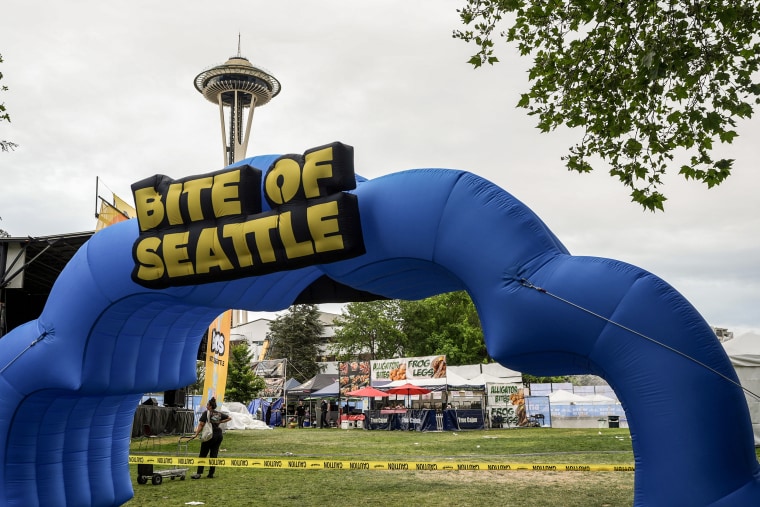
Seattle police have announced that the bullets that killed two bystanders during a shootout at a crowded food festival do not appear to have been fired from the weapon used by a 15-year-old suspect arrested at the scene. This information was revealed in court documents filed on Wednesday.
The King County prosecutor’s office has charged the teenager with first-degree assault and unlawful possession of a handgun, enhanced due to firearm involvement. According to police statements, the teen was seen firing an untraceable ghost gun into the crowd. However, initial tests on the bullets that struck the bystanders determined they did not match the teen’s weapon.
Investigators found shell casings at the scene, indicating that four different firearms were used during the shootout. A tragic event unfolded as a 19-year-old suspect died in the gunfire. When police led the 15-year-old past the deceased suspect’s body, he reportedly said, “Love you bro.”
Authorities are attempting to identify at least one other person involved in the shooting. The document does not specify who might have fired the fatal bullets. The incident, occurring during the last hours of the Bite of Seattle festival, resulted in three deaths, including the 19-year-old gunman, and injured several others, including a toddler. Police suspect gang involvement in the violence and are reviewing surveillance footage and interviewing witnesses to identify any additional suspects.
Police Chief Shon Barnes mentioned that another individual, potentially with a gunshot wound, sought treatment at a Seattle hospital but left before detectives could interview them. Legal challenges have prevented the police from identifying this person, and it is unclear if their injury relates to the festival shooting or if they played a role in it. Barnes has urged the individual to come forward to assist investigators.
Prosecutors have requested that the court proceedings for the teenager be transferred to adult court, which could take several months as legal arguments are considered. If convicted as an adult, the teenager faces a sentence of eight to ten years, with an additional five years possible for firearm issues. Washington judges, however, may opt to sentence juveniles within the juvenile system, even if tried in adult court. In juvenile court, the sentencing could range from two to two-and-a-half years, with the possibility of additional time for firearm charges remaining unclear.