Six Months of U.S.-Israel Conflict With Iran: Current State and Impact
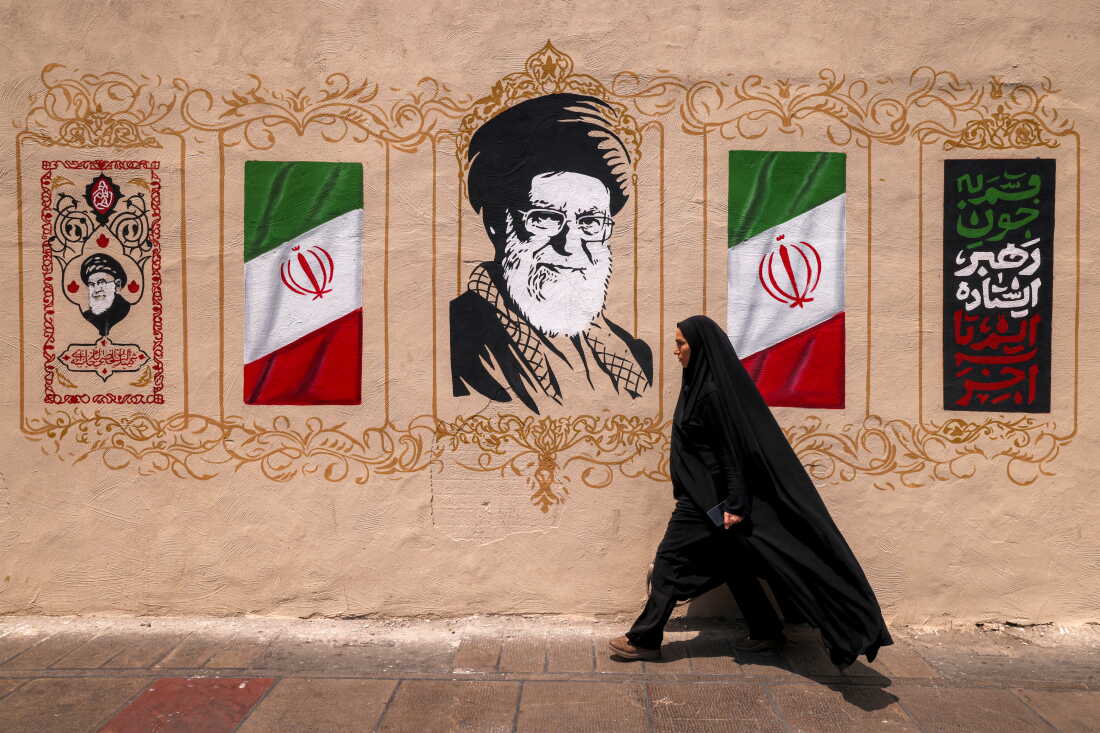
The conflict involving the U.S., Israel, and Iran has reached the six-month mark. The initial goal of the U.S. and Israel to overthrow the Tehran regime has yet to materialize. Despite intense pressure, Iran’s leadership remains in power, taking a firmer stance.
Weeks of U.S.-Israeli Assaults
Between February 28 and April 8, U.S. and Israeli forces bombed Iran intensively. These strikes resulted in the deaths of key Iranian figures, including Supreme Leader Ayatollah Ali Khamenei, who had led for over thirty years. The assaults incapacitated Iran’s air force, damaged its navy, and impacted its missile and drone capabilities, although Iran still periodically retaliates.
Current statistics from the World Health Organization report that 3,375 Iranians have been killed, and over 33,000 injured. U.S. casualties include 18 military personnel killed and hundreds injured, according to Pentagon data. Deaths have also occurred in Israel and Gulf countries.
Using the Strait of Hormuz as Leverage
Iran has shut down the Strait of Hormuz, a crucial passage for global oil and gas. This has disrupted economies worldwide. Negotiations with Oman have yet to yield an agreement, and the Trump administration rejects any arrangement recognizing Iranian control.
Efforts from Gulf nations to find alternate routes or pipelines continue; however, analysts emphasize the necessity of the Strait for future shipping.
Stalled Diplomatic Efforts
Despite ceasefire declarations in April, U.S. diplomatic initiatives with Iran are at a standstill. Expert Alex Vatanka notes that resolving decades-long hostility rapidly is unlikely. Compromise remains the primary hope for a resolution.
The U.S. announced a new operation targeting Iran’s economy, intensifying sanctions as Iran faces severe economic strain partially due to U.S.-Israeli bombings.
Even amid economic hardships, Iran’s regime stays intact. Internal debates among Iranian officials suggest a shift towards negotiation might be emerging.
Daily Life Challenges in Iran
The war’s impact on everyday life is evident. Economic struggles lead to difficulties obtaining basic necessities. Inflation levels surpass 80%, and currency value decreases accompany a shrinking economy.
Tehran residents face challenges accessing healthcare. The rising costs of medicines and essential goods add financial pressure, with ongoing fears of additional protests and consequent state retaliation.
Increasing Government Suppression
Iran’s government has intensified suppression tactics, with increased executions linked to national security charges. Human Rights Activists News Agency reports thousands affected by violent government responses to protests.
Vatanka underscores that demonstrations alone may not prompt change. Strategies involving governmental defections may be necessary in combating the regime.
Reporting contributions by Hadeel Al-Shalchi from Istanbul and Greg Myre from Washington, D.C.