Sleep Patterns Linked to New Depression Subtype
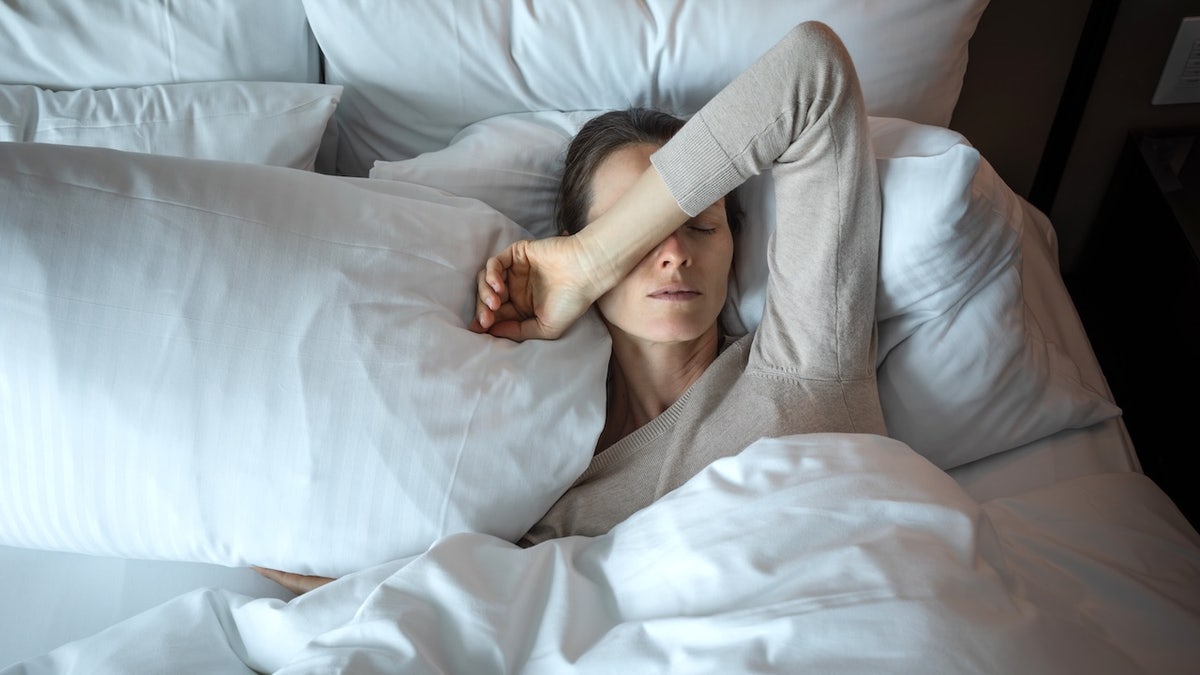
Sleep habits might signal a new subtype of depression connected to the body’s internal clock. A study involving 11,380 Australian adults with a history of depression showed that about 23% fit the criteria for what researchers termed “circadian depression.” This profile includes at least three out of six features: being an evening person, feeling tired upon waking, sleeping longer during depressive episodes, experiencing seasonal changes, having a later sleep-wake midpoint, and “social jetlag,” which is a shift in sleep timing between workdays and days off.
The seasonal changes might impact sleep, mood, activity, appetite, weight, or energy.
The British Journal of Psychiatry published the study on October 20, suggesting it could eventually lead to more personalized care for depression patients, according to the researchers. Emiliana Tonini, Ph.D., from the University of Sydney’s Brain and Mind Centre, stated, “Depression is not a uniform illness, and understanding the characteristics of different subtypes means we can give people earlier access to treatments that will be most effective for them.”
Disrupted sleep-wake rhythms may help identify this proposed subtype of depression.
However, this label is not a formal diagnosis and needs independent replication and further research.
Treatment Considerations
People in the circadian group reported an earlier onset of depression and more severe symptoms compared to those not meeting the criteria. They also experienced more significant weight gain during depressive episodes and had poorer responses with selective serotonin reuptake inhibitors (SSRIs) and serotonin-norepinephrine reuptake inhibitors (SNRIs).
The study didn’t investigate why these medications were less effective, nor did it test treatments aimed at adjusting the body’s internal clock. Light exposure, regular sleep schedules, and melatonin-related approaches require further study, according to researchers.
Dr. Ian Hickie, a co-author of the study from the University of Sydney, remarked that this profile overlaps with existing depression types like atypical and bipolar depression. Both share traits like low energy and oversleeping. He explained, “We define circadian only by sleep-wake and circadian features.” For some, sleep-wake disruption might be more than a depression symptom; it could be the underlying cause.
The study couldn’t prove whether body-clock disruption caused depression or was a result of it. Difficulty in waking or staying up late doesn’t necessarily mean depression. Participants had already reported depression, often severe or long-lasting.
John Puls, a psychotherapist at Florida Atlantic University, suggested that these symptoms could explain their response to antidepressants. SSRIs may aggravate manic symptoms, leading to poor sleep.
Study Limitations
The study had several limitations. Participants self-reported their sleep and treatment experiences. The analysis didn’t show if sleep disruption preceded or followed depression. All participants were of European ancestry, limiting the applicability to other groups.
Jillian Amodio, a psychotherapist from Moms For Mental Health, warned against using these findings as a universal treatment approach. “Biological, environmental, social, and psychological factors all need to be accounted for.” Researchers should study more diverse populations, including night shift workers, considering time zones and seasons.
The University of Sydney and QIMR Berghofer Medical Research Institute led the study, with contributors from institutions in Australia, the U.K., and the U.S.