Students Rally Against Sexual Violence in Solidarity with Cornell Case
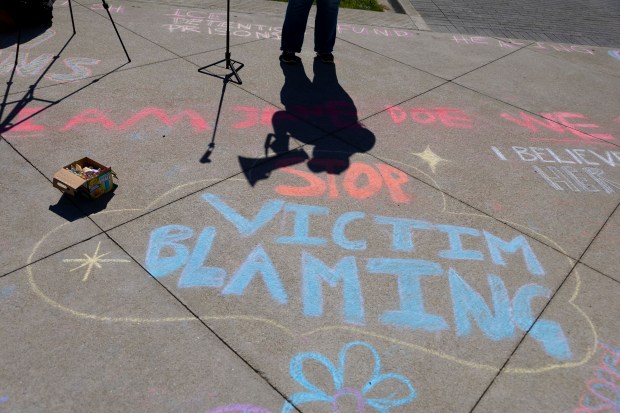
By noon on Thursday, around three dozen students gathered at the University of Illinois Chicago (UIC) quad. They carried protest signs and distributed flyers decrying sexual violence. A colorful chalk mural adorned the sidewalk near Lecture Center Building B, showcasing messages such as ‘We are Jane Doe’ and ‘Stop Victim Blaming’. More campuses across Chicago and the state have seen similar protests.
The protests follow the resurfacing of a two-year-old sexual violence case from Cornell University. A woman identified as ‘Jane Doe’ filed a lawsuit after prosecutors chose not to pursue criminal charges against seven men she accused of raping her in 2024 at a fraternity party. Renewed investigations have highlighted flaws in how Cornell and law enforcement handled the case, leading to national headlines and reviving conversations on campus sexual violence.
In response, schools nationwide have increased advocacy efforts and support for students and sexual assault victims. In Illinois, students have seized this moment to highlight sexual assault issues and question how these cases are addressed.
National Day of Action
On Thursday’s ‘National Day of Action’, hundreds of students from Lincoln Park High School walked out at midday. They showed solidarity with protests against sexual violence at UIC and Southern Illinois University Edwardsville. At UIC, students spoke out about accountability, using a megaphone to demand justice for the Cornell case.
Nova Mohiuddin, a UIC student and member of Chicago Socialist Alternative, emphasized the significance of opposing sexism. Mohiuddin stated, ‘It’s essential to speak out now more than ever.’
Emily Via, a Graduate Employee Organization member, echoed this sentiment during a rally on UIC’s campus.
At the UIC protest, male students joined their female peers. Jacob Belencion, a mechanical engineering student, stressed the importance of male involvement, saying, ‘Men must show up and call out misogynistic behavior.’
Protests at Southern Illinois University
Students at Southern Illinois University Edwardsville also protested against sexual violence. Isabel Montano, a junior, decided to take action after learning about the National Day of Action online. Despite feelings of anger and sadness, Montano believed these emotions could fuel positive change.
Montano expressed hope that discussing issues like sexual violence would prompt change. ‘Even if I’m alone with a sign, one voice does make a difference,’ she said.
High School Students Speak Out
Protests extended beyond college campuses. At Lincoln Park High School, hundreds of students left class Thursday afternoon. Leading the group were four students holding a large banner reading ‘#EndSexualViolence’.
As students walked to Lincoln Park Zoo, they chanted slogans calling for an end to sexual violence. On the zoo’s administrative office steps, students took turns speaking through a megaphone, with messages encouraging everyone to take action.
Isabella Scaffai, an LPHS junior, organized the walkout. Having previously protested against immigration enforcement, Scaffai used her experience to plan Thursday’s demonstration.
‘Knowing someone who has faced sexual assault is frustrating and infuriating. College should be a place for independence and growth, yet threats persist,’ Scaffai commented. Her actions were not only for herself but for her friends and mentors.
Chloe Woodall, an LPHS senior, raised awareness by creating posters and spreading the message via social media. She hoped the event clarified the concepts of consent and sexual assault for students.
Support and Resources
Many Chicago campuses provide resources for survivors, such as Northwestern University’s Center for Student Advocacy and UIC’s Women’s Leadership and Resource Center. For survivors struggling with news like the Cornell case, Sarah Layden from the nonprofit organization Resilience recommends utilizing resources like the 24-hour Chicago Rape Crisis Hotline.
While the Cornell case has raised widespread attention, responses from survivors vary. Layden stresses the importance of education and safe spaces for healing, mentioning, ‘Community building with other survivors can be compelling and healing. It’s okay if someone isn’t ready to speak out or report; their experience remains valid.’