Swiss Voters Reject Population Cap, Prioritize Economic Stability
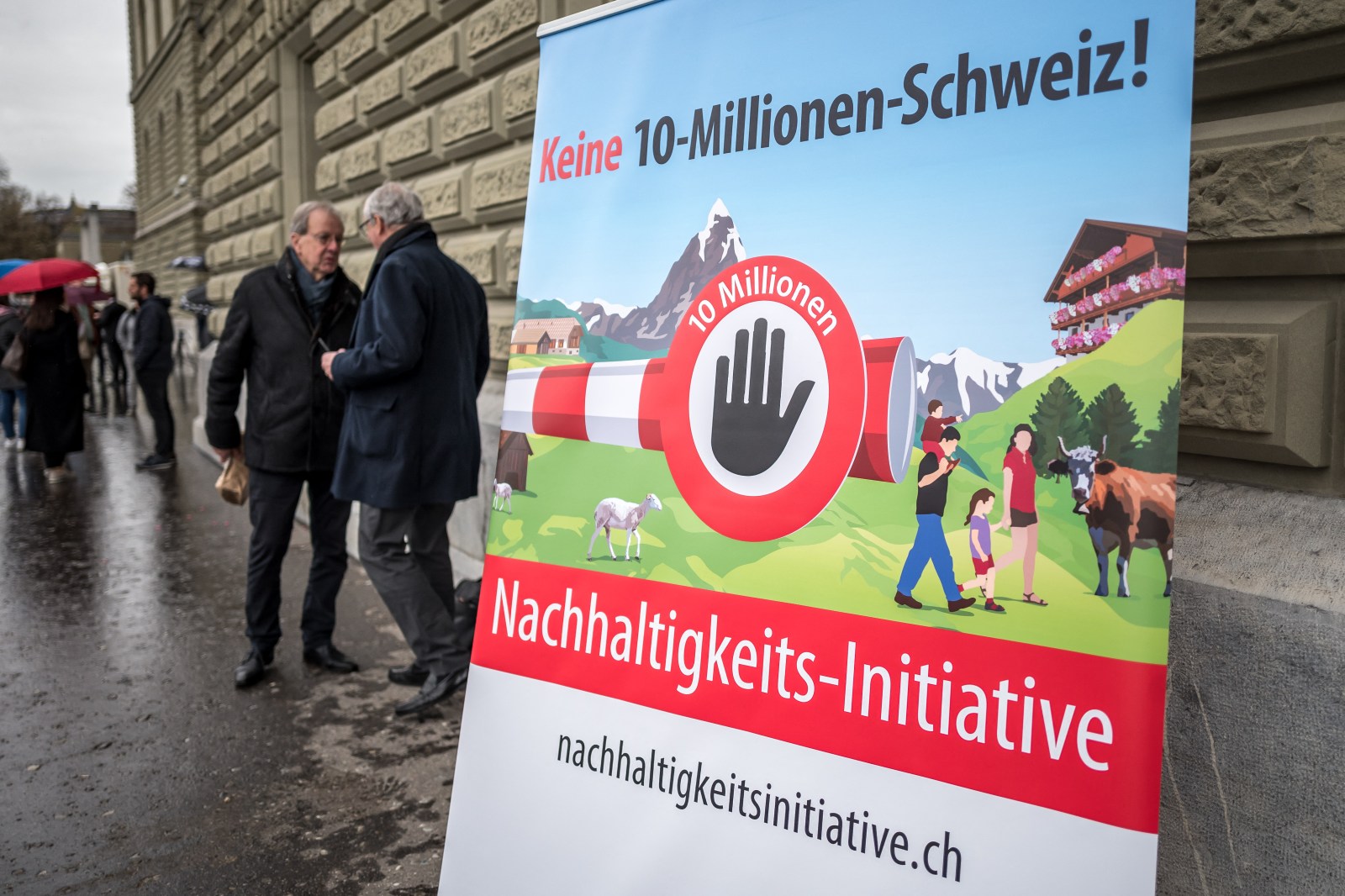
Swiss Decision on Population Growth
Swiss voters have decisively rejected a proposal to limit the population to 10 million. This choice reflects prioritization of economic stability and maintaining ties with Europe over drastic measures to control growth and immigration.
The initiative, backed by the right-wing Swiss People’s Party (SVP), included potentially ending key agreements with the European Union if the population exceeded 10 million before 2050. This mirrors wider debates in Western countries, where concerns about rapid population growth affecting housing, infrastructure, and public services are prevalent.
Public Opinion and Campaign Outcome
About 55 percent of voters opposed the measure, while 45 percent supported it. According to Cloé Jans from the Swiss public opinion research firm gfs.bern, the proposal was seen as ‘too extreme’ despite widespread concerns about growth-related issues.
“While voters broadly share concerns about population growth, housing costs, and infrastructure strain, a majority was not willing to accept the proposed solution,” Jans explained.
Campaigners against the measure effectively highlighted the potential risks to the economy and European relations, which proved influential.
Underlying Concerns Persist
Despite the proposal’s defeat, its nearly half support indicates that concerns driving the initiative remain significant. Switzerland’s population grew by approximately 2 million people since 2002, largely due to relaxed movement restrictions between Switzerland and the EU.
The SVP’s initiative was a response to pressures on housing and public services, warning against continuous population growth possibly affecting cultural identity.
Immigration concerns are high among Swiss people’s worries, shown in the 2025 UBS Worry Barometer survey with 30 percent citing immigration, following health issues at 50 percent and environmental concerns at 31 percent.
Perspectives on Sovereignty and Relations with EU
Jans noted Swiss voters value maintaining a balance between EU relations and sovereign control over immigration:
“There remains a deep instinct to retain sovereign control over who comes in and in what numbers, specific to Swiss political culture,” Jans observed.
Swiss political culture highly values direct democracy, pivotal to national identity.
Debate Shifted by Economic and EU Concerns
The campaign against the proposal effectively shifted focus from daily frustrations to considerable risks associated with accepting the proposal. A coalition of the Swiss government, major political parties, business groups, and unions warned against potential economic damage and EU ties jeopardy.
Switzerland relies on bilateral agreements with the EU, facilitating single market access and free movement policies. Opponents cautioned that a population cap might threaten these arrangements.
Concerns about impacts on labor and healthcare systems, along with resistance to a rigid population cap, gained traction in final debates and swayed voters.
Substantial Contributions by Foreign Workers
Switzerland faces labor shortages, particularly in sectors like healthcare. Foreign-trained doctors constitute around 43 percent of physicians, according to the Swiss Medical Association’s 2025 report.
The Swiss State Secretariat for Migration noted that most foreign nationals moved to Switzerland for employment, predominantly from the EU/European Free Trade Association.
Many voters recognize the essential role of skilled foreign workers in sectors crucial for national functioning. Jans highlighted:
“Without skilled workers from abroad, our hospitals wouldn’t function anymore.”
Future Considerations
Ultimately, Swiss citizens favored retaining the current dynamic with the EU over stepping into unpredictable territory. Jans emphasized:
“In an uncertain world, a small country at the heart of Europe was ultimately not prepared to risk a rupture with the EU, our closest and reliable ally.”
A flawed status quo was preferred over uncertain changes, reflecting Swiss voters’ desire for stability and proven partnerships.