Syria’s Delicate Position Amid U.S., Israeli, and Regional Tensions
Current Dynamics in the Middle East
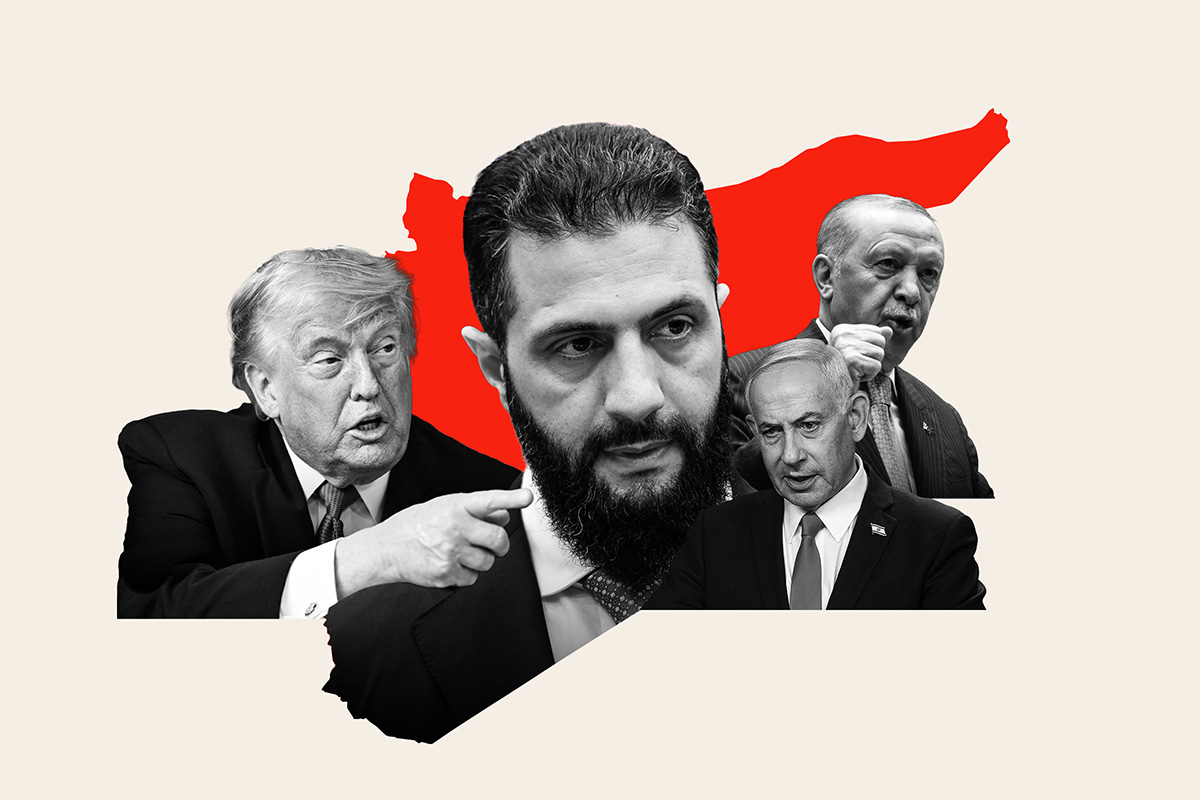
The United States and Iran are observing an uneasy truce. Meanwhile, Syria’s President Ahmad al-Sharaa finds himself in a complex situation between U.S. President Trump and Middle Eastern political tensions. After years of civil conflict, Sharaa has prioritized rebuilding Syria. However, regional challenges complicate his efforts.
Regional Challenges
Sharaa faces pressure from Israel and Turkey. Israeli Prime Minister Benjamin Netanyahu distrusts Sharaa, while Turkish President Recep Tayyip Erdogan supports him. Trump’s stance signals a shift in U.S. policy, potentially involving Syria against Hezbollah in Lebanon.
Syria wants Lebanon to be stable, and its own stability depends on maintaining good neighborly relations, as stated by Syrian diplomat Bassam Barabandi.
However, Barabandi cautioned against any military alliances that might drag Syria into further conflict.
U.S. Role and Dynamics
Trump mentioned Syria’s potential involvement in Lebanon, advocating for a targeted approach against Hezbollah. He praised Sharaa’s leadership, noting improvements since Assad’s fall. Sharaa’s opposition to this military solution reflects a nuanced strategy aimed at peace and reconstruction.
Trump’s comments highlight a dramatic shift from past U.S. policies. This shift includes collaboration with Sharaa, once seen as a terrorist. U.S.-brokered peace processes are under strain due to Israeli conflicts and joint U.S.-Israeli actions against Iran.
Complex Historical Context
James Jeffrey, a former U.S. special representative, emphasized the potential repercussions of Syrian intervention in Lebanon, citing past Lebanese conflicts involving Syrian influence. He warned that it could unite Lebanese factions against Syria.
The Israeli-Syrian dynamics remain tense, with Israel’s actions continuing to provoke regional anxieties. Erdogan views such Israeli strikes as threatening. Sharaa is navigating these challenges to maintain regional stability.
Internal and External Balancing Acts
Nicholas Heras, of the New Lines Institute, observed Sharaa’s delicate diplomatic efforts to balance U.S. and regional expectations. He must maintain strong ties with Turkey for political stability, while managing U.S. relationships to contain Israeli challenges.
Frederic Hof, a former U.S. ambassador, noted Sharaa’s focus on favorable ties with Trump and Erdogan, seeking external investment for Syria’s recovery. He acknowledged Netanyahu’s domestic motivations to maintain tensions with Syria.
Ultimately, the interplay of these elements suggests Syria’s path forward is fraught with both opportunity and risk, demanding careful diplomacy to ensure peace and stability.