The Controversy and Use of Automated License Plate Readers
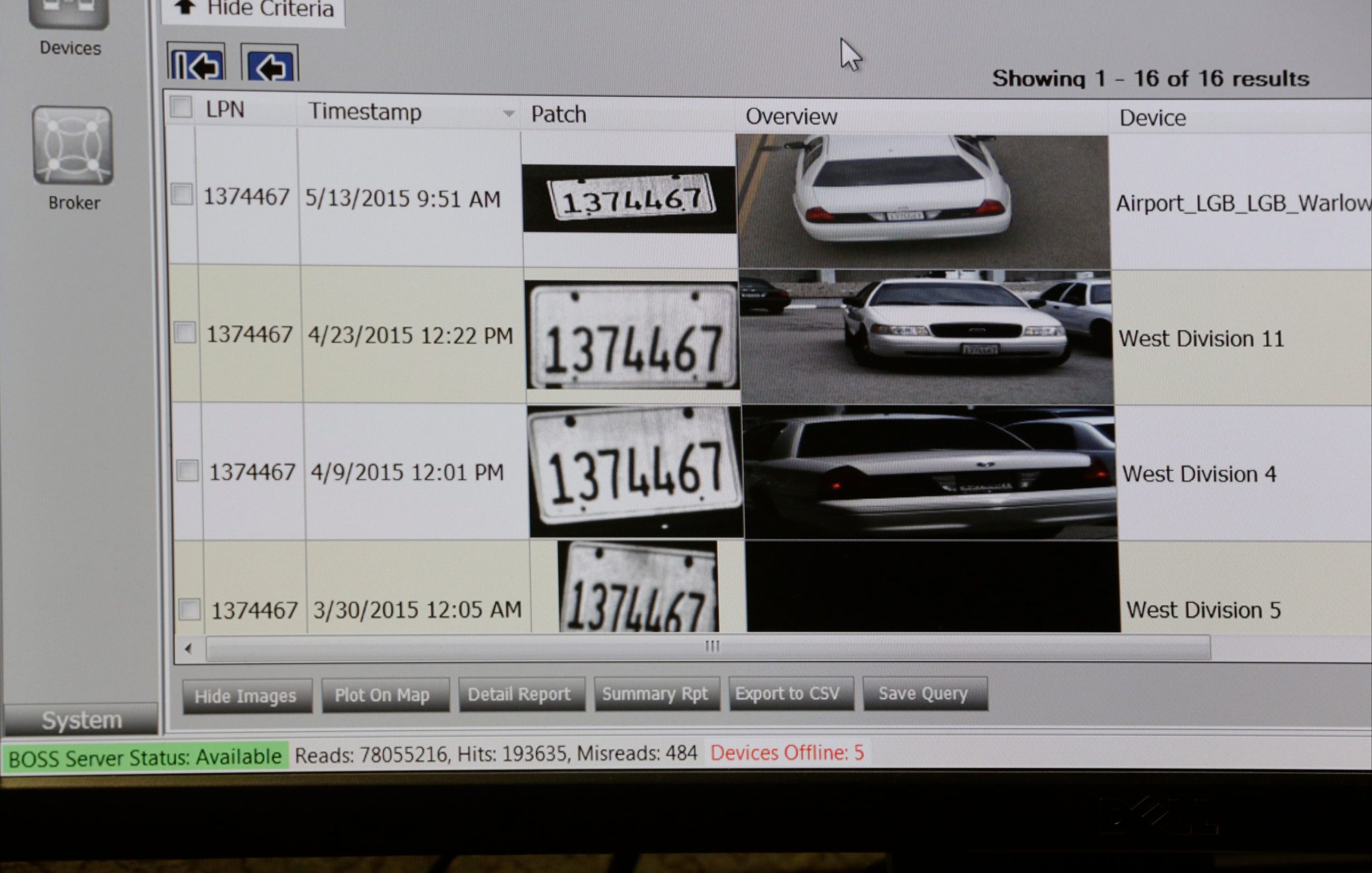
Automated license plate readers (ALPRs), including Flock cameras, have faced criticism across the United States in recent months. While Flock is a well-known name in ALPR technology, it’s not the only option available. These devices focus on gathering specific vehicle information, such as license plate numbers, make, model, and color.
Flock claims its cameras can capture vehicles moving up to 100 MPH, both day and night, from a distance of 75 feet. The technology can distinguish between resident and non-resident vehicles, identify temporary and standard plates, and note vehicle damage or alterations like a broken taillight. Although Flock cameras can’t detect speeding, Genetec’s ALPR system can estimate vehicle speeds.
Motorola Solutions, which covers about 5% of DeFlock-tracked ALPR locations, states that their technology can recognize vehicle accessories and unique features like damage or bumper stickers. It’s important to note that Flock cameras capture only a momentary image of the back of vehicles on public roads, not tracking every vehicle or person continuously.
If you’re curious about nearby cameras, DeFlock offers a crowd-sourced map showing ALPR locations in the U.S. These locations come from volunteers and the OpenStreetMap community, rather than any private company or government agency.
While ALPRs have been used for over two decades according to a Homeland Security report, the technology isn’t without its challenges. You might spot these devices on poles, streetlights, or overpasses, and mobile options also exist. They scan license plates and compare them against databases to notify law enforcement if a vehicle of interest is found. Authorities can also review footage to locate vehicles and share data with other agencies when needed.
However, some communities have chosen to stop using ALPRs due to privacy concerns and accusations of misuse. States like North Carolina, Indiana, Colorado, and Wisconsin have taken steps to discontinue the use of these devices. Florida’s Department of Transportation is removing cameras from highways, and Texas has withdrawn state funding for these programs. Despite privacy concerns, some, like former President Trump, have expressed support for ALPRs, citing their utility for law enforcement.