The Debate on Vaccine Injury Compensation Reform
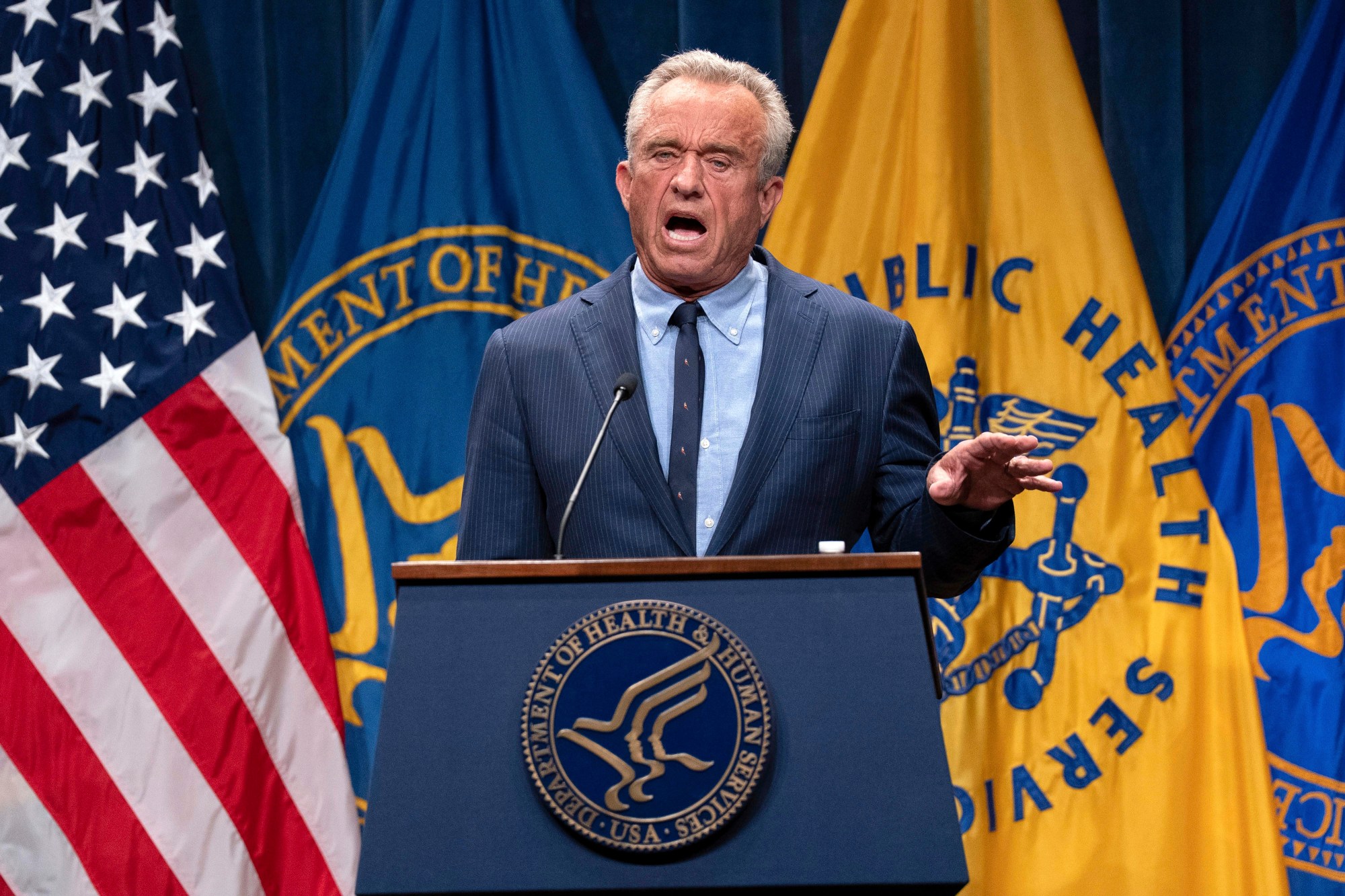
Robert F. Kennedy Jr., serving as the Health and Human Services Secretary, has expressed a desire to dismantle a key program that has existed since 1989. This program, the National Vaccine Injury Compensation Program, has distributed over $5.5 billion to individuals experiencing adverse effects from vaccines. Its foundation traces back to President Ronald Reagan, who signed it into law in 1986.
The program operates under a ‘no-fault’ system designed to achieve two primary goals: provide swift and fair compensation to those experiencing rare, severe vaccine reactions without the burden of federal court litigation, and maintain the stability of the national vaccine supply. Importantly, it relieves families from proving negligence by vaccine manufacturers, while also shielding these manufacturers from unpredictable liabilities that could halt vaccine production.
In response to an increase in lawsuits that once threatened vaccine availability, this program has been crucial. Shortages in vaccines for diphtheria, tetanus, and pertussis once surged, causing price hikes and a looming threat to basic immunizations. The creation of this program halted these threats and allowed ongoing vaccine research and production to save millions of lives.
The program’s effectiveness in part hinges on presumed causation for certain injuries linked to specific vaccines. A committee of experts conducts thorough scientific reviews to curate this list, relieving families from proving both negligence and causation. However, Kennedy sees the fund as more of a corporate shield for ‘Big Pharma’ rather than a safety net for individuals.
Kennedy aims to revoke liability protections from vaccine manufacturers, pushing vaccine injury claims back to traditional civil courts. He wants to include negligence and causation in civil litigation. Aiming to dismantle the program further, he also seeks to list autism as a presumed vaccine injury, despite lacking scientific evidence.
Global scientific bodies have consistently rejected the narrative linking vaccines to autism, yet Kennedy, as Health and Human Services Secretary, sees changes to the compensation program as a chance to give his theory legal backing. If implemented, these changes might lead to a repeat of the crisis seen in 1989, but on a larger scale.
Removing liability protections could lead to soaring vaccine prices, and many companies might halt production. The consequence would be severe vaccine shortages, preventable disease outbreaks, and reduced herd immunity, endangering the most vulnerable: newborns, the elderly, and the immunocompromised.
Dismantling the compensation fund essentially harms families that Kennedy claims to support. The fund has paid out billions to over 12,500 Americans since its inception, providing a crucial financial safety net. Removing it places families in an overloaded civil tort system, facing long legal battles and high attorney fees. The burden of proving manufacturer fault in court becomes an arduous challenge.
While the current system requires improvements, particularly in reducing administrative delays, replacing it with an unpredictable litigation process unfairly disadvantages victims.
Richard Sauber, a Washington lawyer and former special counsel to President Biden, highlights these issues in the current debate over vaccine injury compensation reform.