The Dramatic Rescue of an Air Force Colonel in Iran
The Mission and the Downfall
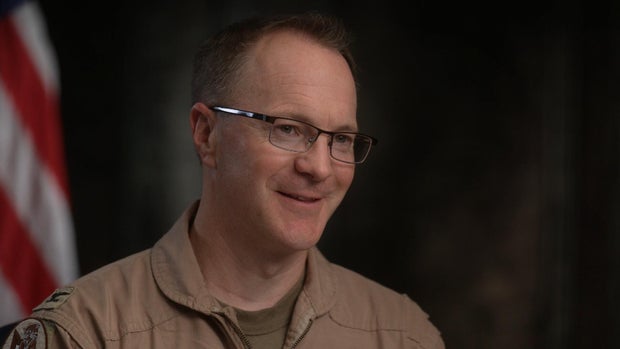
The rescue of a U.S. Air Force colonel after his F-15E fighter jet was shot down over Iran highlights an extraordinary ordeal. The incident occurred in early April, with the aviator, known by the call sign Bravo, experiencing a near-fatal situation. He was the weapons-systems officer, part of a two-man crew on a mission named Dude 44.
Their mission on April 2 involved targeting Iranian industrial sites linked to drone and missile programs. Once hit by a missile, the situation turned dire. The $30 million aircraft, a reliable part of U.S. air operations, succumbed to a shoulder-fired missile. Bravo’s pilot, Alpha, successfully ejected and was rescued, but Bravo faced a far more challenging path.
Bravo’s Harrowing Survival
After ejecting from the damaged aircraft, Bravo’s fall to earth was perilous due to a damaged parachute. He suffered multiple injuries, including fractures in his back, arm, and shoulder. Despite his condition, Bravo managed to evade enemy forces for two days before his rescue.
Bravo’s ordeal was intensified by the geographical challenges of the Iranian landscape. Stranded in a rugged valley, he endured harsh conditions. Despite his broken bones, he climbed to a 7,000-foot ridgeline to evade capture. His resilience and training were key factors in his survival.
A High-Stakes Operation
The U.S. military responded with urgency, navigating a complex and dangerous rescue effort. Initially, Alpha was rescued through a risky daytime raid amidst enemy fire. The effort marked one of the most challenging in U.S. military history, involving hundreds of personnel and resources.
The Iranian forces came perilously close to capturing Bravo. However, U.S. technology and intelligence played crucial roles, ensuring his safety until a successful rescue could be executed.
The Grand Rescue
The final phase of the rescue unfolded with American forces landing on a makeshift desert airstrip. Specialized ‘Little Bird’ helicopters successfully extracted Bravo from his precarious location. Despite technical challenges with the rescue planes, the mission succeeded in extracting and ensuring the safety of Bravo and the team involved.
Bravo described being found by rescuers as “one of the greatest moments of my life,” emphasizing the magnitude of relief and gratitude.
In a strategic move to protect sensitive military technology, the U.S. decided to destroy the marooned aircraft. The triumphant conclusion of Bravo’s rescue came as dawn broke on Easter Sunday.
A Testimony of Courage and Teamwork
Bravo’s story extends beyond personal survival. It is a narrative that underscores the dedication, cooperation, and skill within the U.S. military. The swift action taken by American forces exemplifies their commitment to leaving no man behind, showcasing extraordinary teamwork and unwavering resolve.
Bravo’s journey is also a story of faith and resilience, providing a powerful reminder of the sacrifices made by service members and the lengths to which the military will go to ensure the safety and return of its personnel.