The Enduring Appeal of Spider-Man Amidst Superhero Fatigue
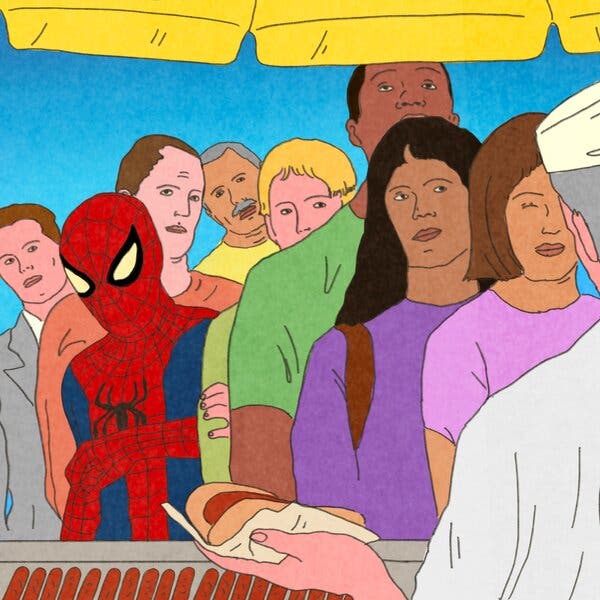
In the modern landscape of cinema, superheroes have become monotonous. Their supernatural attributes and predictable indestructibility fail to captivate as the world’s real issues overshadow their fictional battles. Characters like Mr. All-American-From-Krypton or a flamboyant billionaire with a bat attitude seem inadequate when faced with the daunting realities surrounding us, such as governmental conflict and widespread corruption.
While traditional superhero teams like the Avengers and X-Men are adept at vanquishing alien invaders, their collateral damage often leaves ordinary citizens to navigate the aftermath. This has led to a search for heroes who better reflect our struggles. Enter Spider-Man. Recently, Peter Parker swung back into theaters in “Spider-Man: Brand New Day,” setting a domestic box-office record by earning over $500 million in its opening week, with global revenues potentially hitting $2 billion. Spider-Man’s popularity reconfirms the audience’s preference for a superhero who resonates with their genuine challenges.
Spider-Man: An Unconventional Hero
Spider-Man does not fit the typical Marvel mold. His abilities include wall-crawling, swinging from sticky webbing, and possessing superhuman strength, yet he remains grounded. Unlike other superheroes, he cannot fly and requires New York City’s structures to navigate. If placed in a rural setting like an Iowa cornfield, Spider-Man must rely on walking.
Beyond his abilities lies his imperfect human condition. In the recent film, Spider-Man is not shielded from harm; he suffers injuries, including a gunshot wound that lands him in the hospital. Unlike heroes with sophisticated armories, Spider-Man’s resources are modest. He constructs his own devices in a humble attic workshop, reflecting his relatable approachability.
The Origin of Spider-Man
Spider-Man’s existence was nearly quashed before it began. Stan Lee presented the concept in the early 1960s, facing skepticism from his publisher, who criticized the idea based on a dislike of spiders, the unconventional protagonist being a teenager, and the inclusion of personal struggles. However, Lee persevered, publishing Spider-Man in a discontinued comic’s final issue in 1962. Against the odds, Spider-Man found success, connecting with readers through his relatable challenges and fallible nature.