The Food Industry’s Sustainability Challenge: Moving Beyond Buzzwords
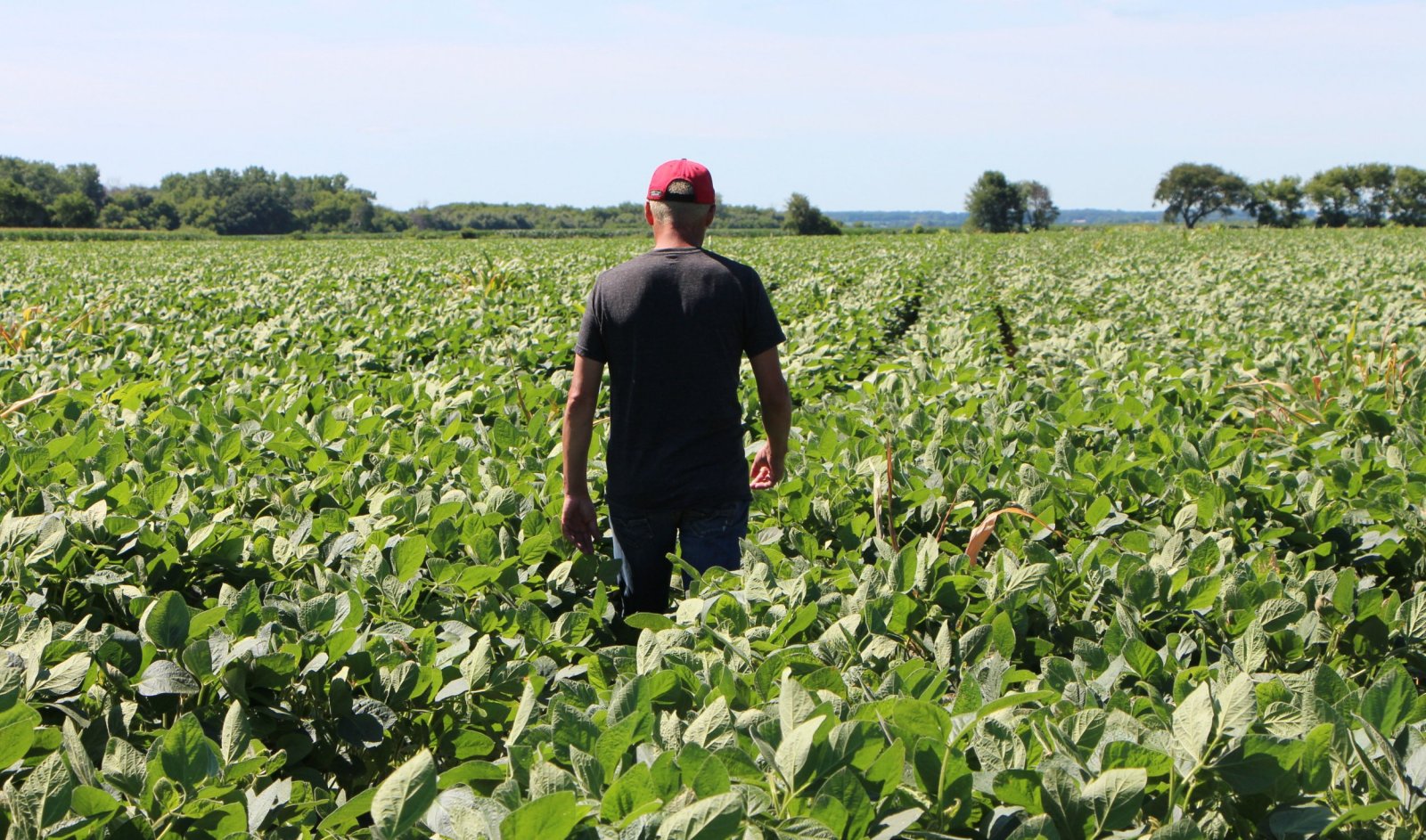
With World Environment Day approaching, the food and beverage industry will again promote sustainability terms. Claims of regenerative coffee, responsibly sourced cocoa, recyclable packaging, and carbon-neutral supply chains fill conversations. These buzzwords capture attention, yet divert from a pressing crisis: an unpredictable global food system plagued by climate challenges. Farmers, integral to our food supply, often lack the means to adapt to these changes.
Sustainability trends and jargon fluctuate, yet agriculture remains precarious. By 2050, coffee-growing regions could lose up to half their suitable land. Cocoa farmers, many living below the poverty line, face the threat of rising temperatures and erratic weather. Despite awareness, few companies have adopted the fair pricing solution smallholder farmers propose, hindering environmental and economic stability.
Financial security often precedes environmental protection. Farmers, focusing on immediate survival, may resort to practices harming soil nutrients and ecosystems, prioritizing short-term over long-term land health. Research supports this. A 2020 review in Nature Sustainability, analyzing nearly 18,000 studies on sustainable agriculture, highlighted financial incentives and income-support as critical drivers for adopting sustainable practices worldwide.
The core message: healthy farms and soil require investment in farmers. We must move beyond temporary sustainability trends and address the fundamental issues of power and pricing. Farmers, when financially stable, become more willing to invest in practices requiring upfront costs, accessing crucial resources like capital and training.
Fairtrade’s model, requiring companies to pay at least the Fairtrade Minimum Price, helps buffer farmers when market prices fall unsustainably low. Fairtrade Premiums, additional sums on the selling price, allow farmer cooperatives to democratically decide their use. These funds have supported vital investments like new plant distribution after disasters, irrigation systems, intercropping, and shade tree planting, all identified by farmers as keys to resilience.
Local staff across Africa, Asia-Pacific, and Latin America and the Caribbean facilitate technical training and programs. For example, Fairtrade’s partnership with the French Development Agency in Ghana funds agroforestry training for cocoa farmers, improving their land and yield through eco-friendly methods. In Indonesia, a program assists roughly 100,000 farmers in transitioning to sustainable practices, offering grants and networking to improve market access. Fijian farmers, working with the Sugar Research Institute of Fiji, piloted agricultural lime application, showing improvements in germination, crop growth, and yields.
Such professional development opportunities arise from farmers voicing needs and partners recognizing their expertise. The food and beverage industry must move from words to actions that foster farmer and land prosperity. Higher farmer payments enable them to meet basic needs, invest in farms, adopt new practices, and diversify crops. Stable farmers reduce supply chain risks from market and climate vulnerabilities.
While Fairtrade is no silver bullet, farmers have long called for stable prices, stronger bargaining power, and visibility at negotiating tables. They seek fairness, not charity. A shift in the status quo demands collaboration: governments enforcing strong protections, companies committing to fair pricing, consumers supporting ethical products, and civil organizations holding accountability.
This World Environment Day, the industry faces a choice. Maintain investment in transient trends or address the core issue—empowering farmers through redistributed funds and power. Real resilience, and by extension, planetary protection, begins by supporting those who provide our food.
Amanda Archila is the Executive Director of Fairtrade America, which works to increase market access for Fairtrade farmers and workers. With roots in fair trade activism, Archila has over 15 years of experience across various industries.
The views expressed in this article are the writer’s own.