The Impact and Legacy of the Patriot Act
The Patriot Act: 25 Years Later
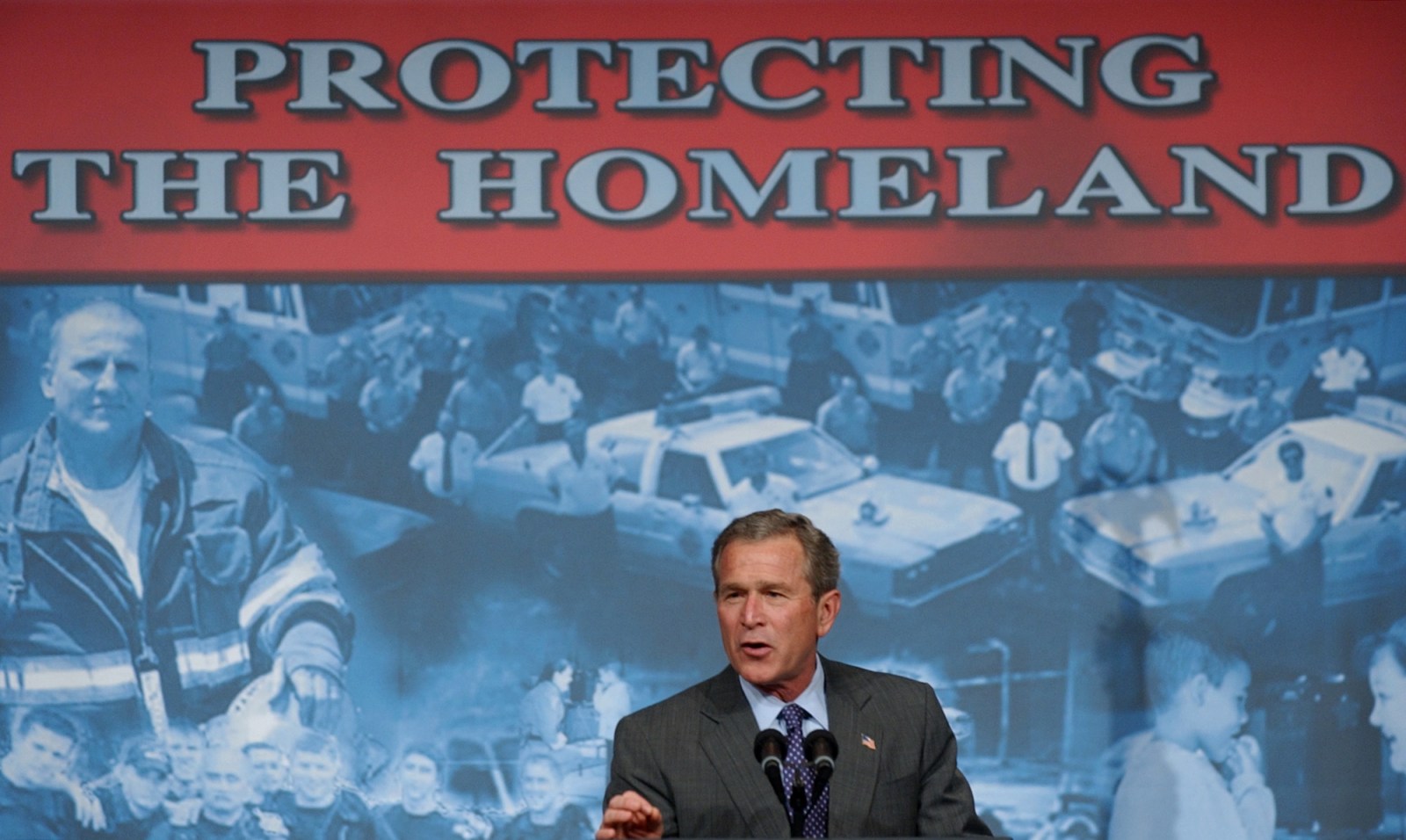
The Patriot Act was enacted just 45 days after the 9/11 attacks, during which nearly 3,000 lives were lost in the deadliest terrorist assault on U.S. soil. Signed into law by then-President George W. Bush, it significantly increased surveillance powers for the U.S. government. Although some of these powers have been curtailed, the act still influences Americans’ privacy rights.
Origins and Intentions
The September 11 attacks prompted a U.S. government initiative known as the War on Terror. The Patriot Act was a cornerstone of this effort, enhancing governmental access to phone and electronic communications, business, and financial records during terrorism investigations. It also facilitated information sharing between intelligence and law enforcement agencies. Bush asserted the bill was crucial not only for pursuing terrorists but also for preventing further attacks.
Immediate Concerns and Responses
Upon its introduction, the Patriot Act faced opposition. The American Civil Liberties Union (ACLU) criticized its rapid passage and voiced concerns about the potential misuse of surveillance powers. Patrick Toomey of the ACLU noted that government mass surveillance has become more apparent. Reform efforts have been made, including banning some bulk records collection and strengthening judicial reviews, yet civil liberties advocates believe these actions are insufficient.
Ongoing Debates and Reforms
Despite opposition, officials like Assistant Attorney General John A. Eisenberg defend the Act as a necessary tool for national security. A report by the Office of the Director of National Intelligence emphasized oversight measures protecting civil liberties. Nonetheless, discourse has shifted to issues like “backdoor searches” enabled by legislation such as Section 702 of the Foreign Intelligence Surveillance Act (FISA), concerning advocacy groups.
Implications of Section 215
One of the most debated parts of the Patriot Act was Section 215, allowing the FBI to access a broad range of records. From 2006, the NSA used this section to compel phone companies for bulk records, including those unrelated to terrorism. This practice was exposed by whistleblower Edward Snowden in 2013, leading to significant critique and eventual court rulings limiting its scope.
USA FREEDOM Act and its Impact
In response to Snowden’s revelations, the USA FREEDOM Act was passed in 2015. It prohibited bulk data collection and mandated more targeted approaches. It also included reforms such as appointing advisers for specific legal interpretations and requiring government reviews of surveillance-court opinions.
Section 702 and Privacy Concerns
Despite the phasing out of Section 215, surveillance practices remain contentious. Advocates highlight abuses like extensive unauthorized FBI searches. The Electronic Frontier Foundation (EFF) and legal experts argue that FISA’s Section 702 unlawfully captures American communications during foreign intelligence operations.
Technological Advances and Privacy
The evolution of technology has dramatically influenced privacy and civil rights. Digital rights lawyer Jennifer Lynch points to the widespread use of smartphones as a major change. Surveillance systems, social media monitoring, and government data purchase are ongoing concerns. Lynch and others call for legislative safeguards for emerging technologies.
Future Considerations
As artificial intelligence becomes more integrated into surveillance, privacy advocates urge Congress to establish comprehensive protections for technologies like facial recognition. Eisenberg emphasizes maintaining the balance between national security and citizens’ rights.
Newsweek’s editorial team used AI to assist in producing this article.