The Impact of Postpartum Psychosis and Maternal Mental Healthcare
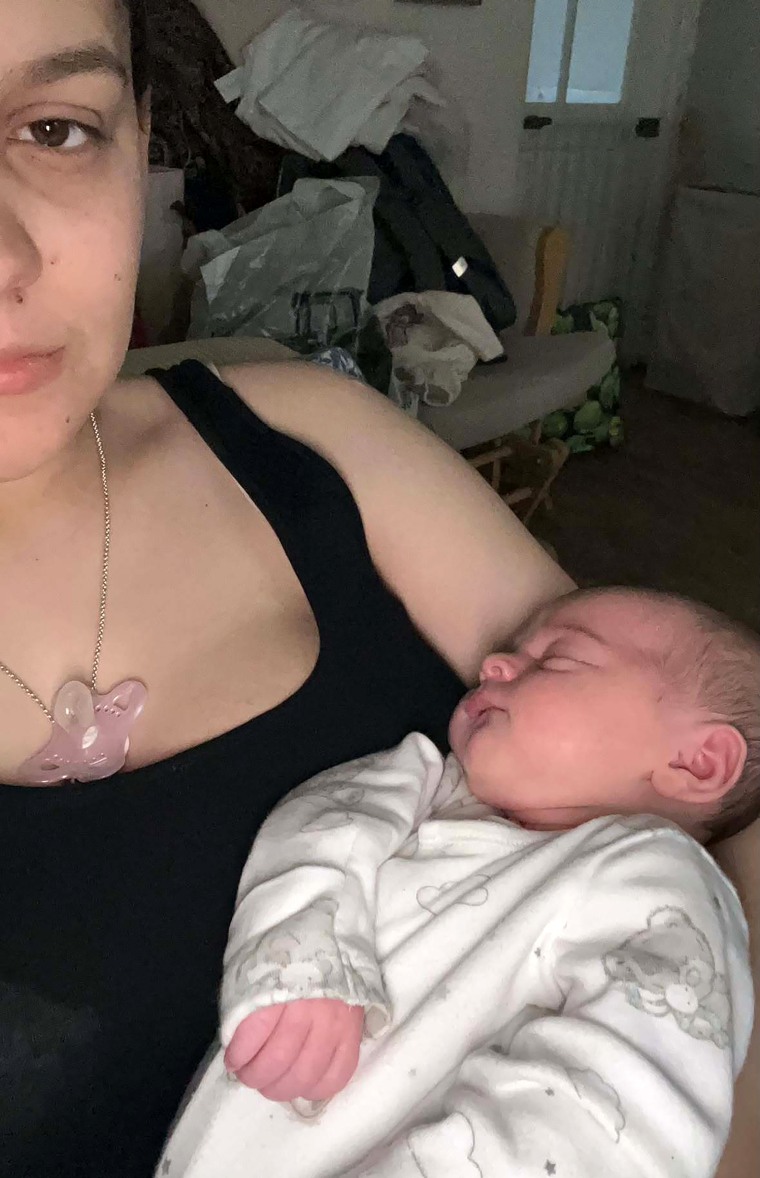
London — Following the birth of her first child, Evie, in January 2023, Sofii Lewis experienced troubling signs that she couldn’t ignore. ‘I didn’t have a bond with my daughter,’ Lewis expressed. She was overwhelmed by fear and thoughts that she or others might harm Evie, despite knowing she was only days away from drastic measures. A persistent beeping sound haunted her at night.
Lewis, now 27, who worked part-time as a baker, was saved when she recognized her need for help. Her treatment in the U.K.’s maternal mental healthcare system was crucial for her survival. Diagnosed with ‘tendencies of postpartum psychosis,’ she and Evie found safety. Lewis identified the case of Lindsay Clancy, who faced trial for killing her three children in Duxbury, Massachusetts. Clancy’s defense claims postpartum psychosis affected her actions.
“A lot of other mums I’m in contact with who had postpartum psychosis also find it very triggering,” Lewis shared.
The availability of care at Mother and Baby Units (MBUs) was vital for Lewis. These U.K. units offer specialist, inpatient care to women experiencing mental health issues during and after pregnancy, keeping mothers with their babies instead of separating them.
In the U.K.’s National Health Service (NHS), up to 26% of new mothers encounter perinatal mental health issues, including postpartum psychosis. Symptoms, like delusions and hallucinations, can emerge in the initial weeks and vary widely. Though suicide and infanticide related to postpartum psychosis are rare, awareness of the condition is necessary.
The case of Lindsay Clancy drew global focus, initiating discussions about maternal mental healthcare. Clancy’s defense disclosed her continuous pursuit of support, highlighting gaps in the U.S. system.
Dr. Veerle Bergink, from Mount Sinai’s Women’s Mental Health Center in New York, noted that the U.K. is a leader in modern maternal mental healthcare, asserting that the U.S. lags in perinatal psychiatry. Lewis received pivotal care at an MBU and stresses the strengths of Britain’s approach.
There are around 20 MBUs in England, alongside units in Scotland and Wales, underlining the uniqueness of the program. Other nations have similar setups, but few match the U.K.’s scope.
Treatment at MBUs can include medication and various therapies, such as Video Interaction Guidance and Eye Movement Desensitization and Reprocessing to address trauma. Post-discharge, Lewis continued care through a community team, contributing to her recovery.
Dr. Sally Wilson of Action on Postpartum Psychosis (APP) emphasizes the need for advocacy and awareness of maternal mental conditions and supports improving resources and access, including to MBUs.
‘It doesn’t make you a bad person,’ Lewis emphasizes. ‘It’s part of the illness.’
If you are pregnant or a new mother in crisis, the National Maternal Mental Health Hotline offers free, confidential support 24/7. Call or text 1-833-852-6262. For emotional distress, contact 988 or visit 988lifeline.org