The Impact of Social Media Negativity and How to Address It
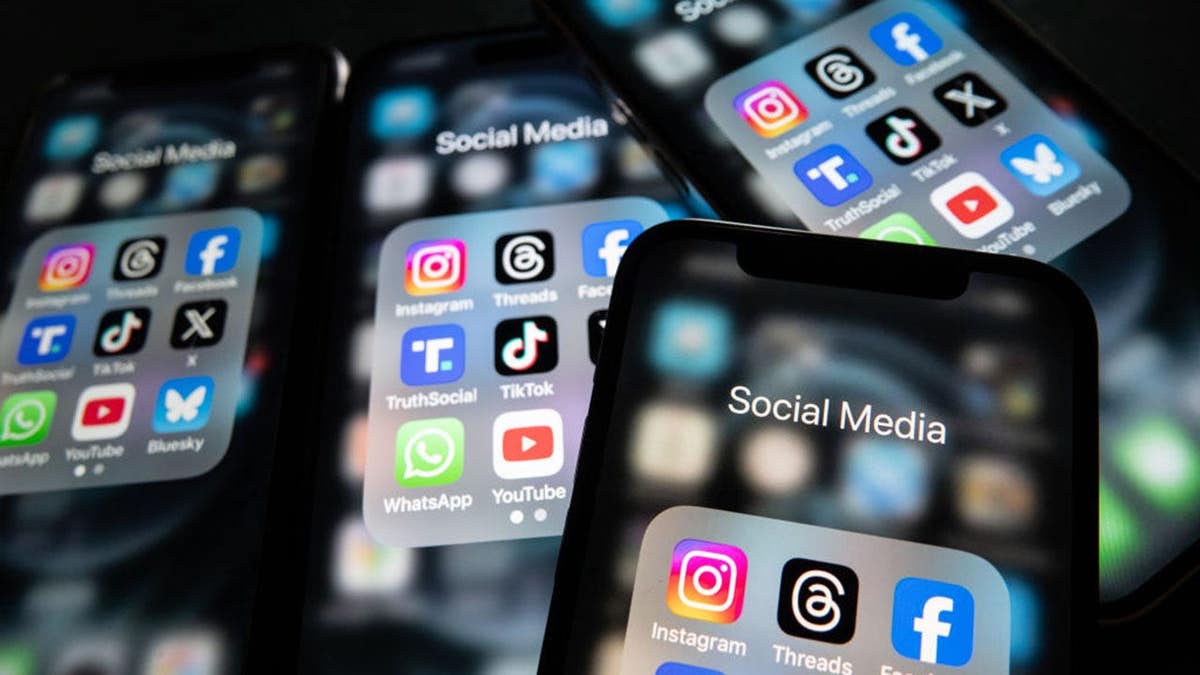
Social media can be a harsh environment where negative comments often outnumber positive ones. Many feel emboldened to insult others online in ways they wouldn’t dare in person. These environments sometimes reward falsehoods, increasing hostility.
Recent events have highlighted the issue of online hate. ESPN commentator Pat McAfee recently shared that he felt unsafe on a Utah college campus due to online threats and lies about him. He mentioned receiving frequent threats related to his controversial opinions. McAfee is not alone. Public figures often face such abuse.
Research reveals the psychological effects of this negativity. In a 2025 study with 128 adults, those exposed to negative comments recorded anxiety scores of 2.42. This compares to 1.77 for neutral comments and 1.55 for positive ones. Their mood scores also dropped significantly under negative comments.
“The mental health impact of social media can be significant. Negative interactions increase anxiety levels and decrease mood stability.”
Cyberbullying further exacerbates this problem, as shown by a meta-analysis indicating that adolescents subjected to cyberbullying have a 2.73 times greater chance of developing depression than those who haven’t experienced it.
Social media’s impact stretches across different demographics. Dr. Jesse Morse left his online role due to the overwhelming negativity, despite having built a significant following and monetization opportunities. His experience highlights the personal cost of engaging in these platforms.
It’s critical to evaluate the importance of online opinions. Opinions from strangers should not dictate your mood. Social media critiques often stem from limited interactions, making them unreliable assessments of one’s character.
Additionally, online platforms tend to amplify negative content because it garners more engagement. This creates a skewed perception that doesn’t reflect broader public sentiment.
In earlier times, strangers couldn’t directly share their opinions. Now, technology enables this, but does not automatically lend more value to those opinions. They remain unauthenticated.
To address this, consider reducing your exposure. Turn off notifications. Limit who can reply to your posts. If needed, step back from social media altogether. By controlling what you see and who influences you, the impact of negativity diminishes significantly.
Finally, only allow voices that genuinely matter—friends, family, significant professional contacts—to influence your well-being. Disregard the unwarranted critiques from anonymous users.