The Legacy of Gay Talese: A Life in Journalism
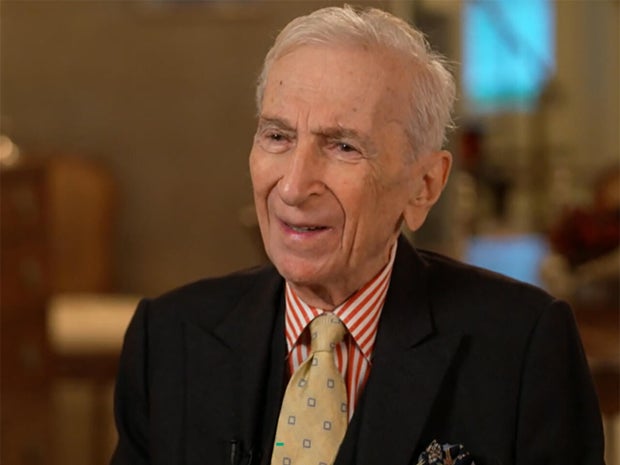
Gay Talese’s 1969 book, “The Kingdom and the Power,” captured the intrigues at The New York Times, where he advanced from copyboy to reporter. The non-fiction work was his first bestseller, taking six years to complete. “I’ve always been a very slow writer,” Talese revealed. He described most journalists as restless observers drawn to the chaos and spectacle of the world, viewing normality as unremarkable. Talese aimed to paint vivid pictures for his readers.
Talese, an iconic figure in journalism, has had a career spanning nearly seven decades, marked by both acclaim and controversy. The New York Public Library recently acquired his entire archive. His first contribution to The New York Times was about its illuminated sign that showcased headlines during the 20th century. Talese’s fascination lay in writing about ordinary people and illuminating their stories.
Professor Robert Boynton of NYU’s Arthur L. Carter Journalism Institute described Talese as tirelessly curious. Talese once diverted his path to interview a construction worker he encountered. In 1965, magazines were thriving, with Esquire leading as a platform for storytellers like Norman Mailer, Tom Wolfe, and Talese.
One of Talese’s most celebrated works is his 1966 article, “Frank Sinatra Has a Cold,” where he wrote around the unavailability of Sinatra by interviewing more than 100 people in his orbit. The article became a significant example of New Journalism. These stories were written with a cinematic flair, distinct from the corporate style prevalent in other major publications of the time.
Talese’s writing often captured the essence of people, even when they were not directly accessible, as seen in his piece on Joe Louis. He practiced what he termed “the art of hanging around,” gaining the trust of his subjects to present their stories authentically. Boynton advises his students to embrace Talese’s diligence, creativity, and dedication to comprehensive reporting.
Talese believed in appearances, often dressing the part for his stories. During the research for his book, “Thy Neighbor’s Wife,” Talese immersed himself in the worlds he chronicled, from Mafia hangouts to nudist colonies. He acknowledges the personal challenges faced during this time, including the impact on his family.
His marriage to Nan Talese, a respected editor, has been a significant part of his life, yet the story of their relationship remains unfinished. Talese refuses to be rushed, even addressing his recent struggle with Parkinson’s disease with fortitude. At 94, he maintains a disciplined approach to writing, hoping his best work might still be forthcoming.
Talese’s office in his New York brownstone is filled with reminders of his life’s work. Photos and notes keep his achievements vivid and organized. Talese aims for posthumous respect, confident in the legacy of his meticulous, dedicated career.
For more information, readers can explore Talese’s official site and his compilations, such as “A Town Without Time.” These showcase his extensive reporting on the eccentric characters of New York City.