The Legacy of Joan Rivers: A Trailblazer in Comedy
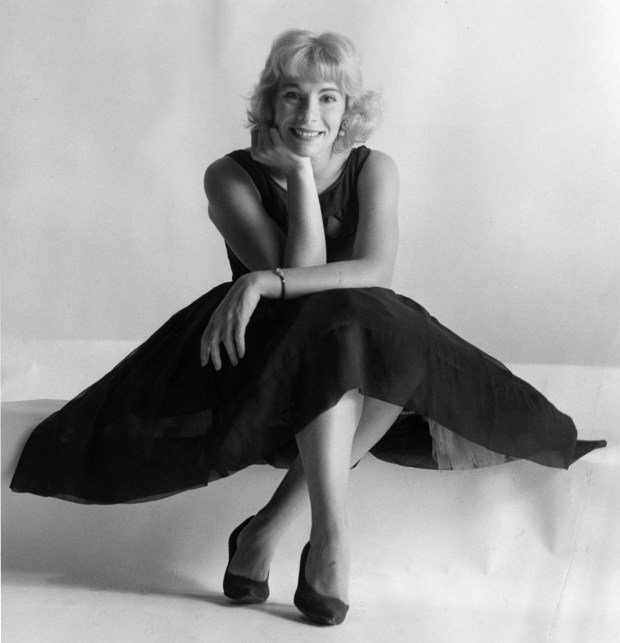
Joan Rivers once joked, “I’ve had so much plastic surgery, when I die, they will donate my body to Tupperware.” Though she passed away on September 4, 2014, at age 81 after a heart attack during a medical procedure, she remains a vital presence online. Her influence extends to female comedians like Amy Schumer, Chelsea Handler, and Wanda Sykes, with Aubrey Plaza calling her “the most badass female comedian there ever was.”
Following a column about Rodney Dangerfield, a contemporary and colleague of Rivers, here’s a closer look at her life. Another of her quips about her mother’s sex advice encapsulated her humor: “All my mother told me about sex was that the man goes on top and the woman on the bottom. For three years, my husband and I slept in bunk beds.”
Commercial success in her later years led to criticisms, with some feeling her legacy suffered due to her red-carpet behavior. Nonetheless, Rolling Stone’s 2017 list of the 50 best stand-up comics of all time placed her sixth, highlighting her continuing importance.
A Path to Comedy
Joan Rivers was born Joan Alexandra Molinsky in Brooklyn, New York, on June 8, 1933. She was one of two daughters of a doctor and his wife. After attending Connecticut College, she pursued acting in Manhattan. Unable to find success, she shifted to comedy, performing at modest nightclubs and showing courage at her parents’ country club despite failing there and facing the indignity of their sneaking out.
Her comedic journey led her to Second City in 1961, where she felt she truly became a comedian. Rivers appeared in two revues, “Six of One” and “Alarums and Excursions,” claiming Second City as a formative experience. Back in New York, she joined the comedic scene at The Duplex in Greenwich Village alongside future stars like Dick Cavett and Rodney Dangerfield. Female comics were rare then, but Rivers paid no mind, sometimes even paying Dangerfield for jokes, honing her craft, and developing her iconic line, “Can we talk?”
Her vast archive of nearly 70,000 jokes, stored on index cards, can be seen at the National Comedy Center. This system reflects the diverse topics she explored in her career. With acknowledgment from her hero, Lenny Bruce, and an appearance on Johnny Carson’s “Tonight Show,” her perseverance paid off. Carson praised her on-air, saying, “God, you’re funny. You are going to be a star.” This appearance marked a career resurgence, leading to high-profile bookings and bolstering her self-esteem.
Career Challenges and Triumphs
Rivers became Carson’s regular guest host by the 1980s but took an independent leap by accepting a late-night show offer from the then-new Fox network in 1986. “The Late Show Starring Joan Rivers” was short-lived, and Carson perceived this move as betrayal. Following the show’s collapse, Rivers suffered personal losses, including the death of her husband Edgar Rosenberg by suicide. With her daughter Melissa initially blaming her, Rivers faced emotional and financial challenges due to poor investments by Rosenberg that left her $37 million in debt.
Undeterred, Rivers reinvented herself continuously into her later years. She emerged as a cultural figure and a business force, co-launching a red-carpet show on E! Entertainment Television with Melissa and hosting “Fashion Police.” She also won “Celebrity Apprentice,” sold products on QVC, wrote popular memoirs, and continued performing, notably in Vegas. Her resilience and professionalism shone throughout her career.
Breaking Barriers for Women in Comedy
Joan Rivers’s impact on the comedy world remains profound, particularly in breaking barriers for women. By addressing taboo subjects, she paved the way for performers like Sarah Silverman. Despite being banned from the “Tonight Show” after the fallout with Carson, the ban was lifted by Jimmy Fallon six months before her passing, where she once again demonstrated her comedic prowess alongside Russell Crowe.