The Lucrative World of Pardon Brokering Under Trump
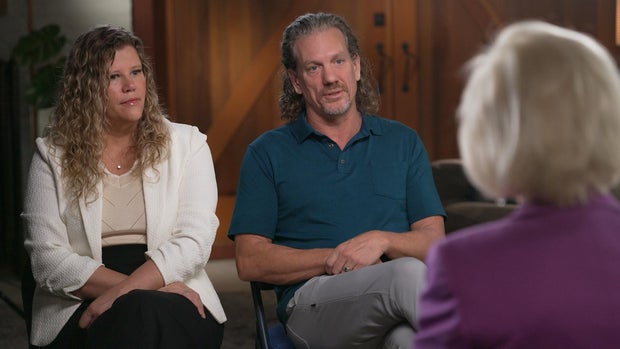
In mid-August at the bar inside the luxurious Ritz-Carlton hotel in Tysons Corner, Virginia, Jack Burkman and his associate Jacob Wohl made their latest pitch. They sat with Ammon Covino, a convicted felon, and his wife, Crystal. Burkman commented on the need to pressure the president from various directions to secure results. He and Wohl had become figures in the burgeoning industry of pardon brokers, appealing to those seeking clemency from President Trump.
Covino, an aquarium operator who spent nearly two years in federal prison for transporting a shark and stingray illegally across state lines, was their latest target. Though Covino had sent a pardon application under Biden’s administration, Trump had rejected it. Nonetheless, Burkman and Wohl claimed they could secure Covino a pardon for $300,000 by leveraging their contacts and influence.
CBS News’ ’60 Minutes’ sought to investigate the world of pardon brokerage. They collaborated with Covino, utilizing hidden cameras to delve into the operations of Burkman and Wohl.
The classic portrayal of pardon recipients usually involves remorse and repayment of debt to society. Yet, the present pardon economy under Trump reflected otherwise. High-profile clemency, like Nixon’s pardon by President Ford and Vietnam draft-dodgers by President Carter, highlighted past deviations.
President Biden in December 2024 was scrutinized for pardons to allies and family, including his son, Hunter Biden, and Anthony Fauci. Under Trump’s administration, the usual clemency process involving the Department of Justice (DOJ) had become largely undermined as brokers bypassed traditional methods.
Most of Trump’s clemency actions occurred outside the DOJ framework. Brokers and lobbyists now influence access, charging up to $3 million for their services, as per CBS News sources.
Mark Osler, a law professor, remarked on the industry’s rise around what should be a publicly accessible system. Many now believed influence could be attained through significant payments or connections to Trump’s circles, leading to a belief in a commodified clemency process.
Lobbyists now openly disclose clemency dealings and fees. However, the internal workings, including promises and fee structures, remained veiled. CBS News attempted to contact prominent brokers linked to the president but received limited cooperation.
Among others, Brett Tolman, a former U.S. attorney, expressed skepticism of the justice system and claimed to bypass it entirely, sending petitions directly to the White House. Tolman anticipates involvement in approximately fifty cases, succeeding in over two-thirds.
The Trump White House asserted a robust pardon review including counsel, DOJ, and Alice Marie Johnson, dubbed the pardon czar, under Trump’s direct oversight.
Burkman and Wohl, facing scrutiny, claimed to abide by legal standards rather than facilitating pay-to-play schemes, while CBS News unearthed unnerving details. For instance, Joseph Schwartz’s pardon in 2025 followed significant financial transactions with Burkman and Wohl’s services.
The contentious nature of pardon exchanges stirred public commentary, with victims of Schwartz’s actions like Melissa Coulson expressing feelings of betrayal.
During CBS News’ investigation, Wohl’s claimed tactics included relentless pressure from angles around Trump, to firmly place the decision before him. Trying to avoid perceptions of transactional clemency, they cautioned Covino against political donations.
Efforts to influence involved talks about engaging people like Laura Loomer or Mike Johnson, yet responses from involved parties denied such endorsements or involvement.
Ed Martin, a former Justice Department official, denied any existence of a transactional economy in pardon decisions, insisting that Trump’s clemency process was based on mercy for those seen as politically targeted.
Mark Osler and others critiqued the new clemency leniency on notions of innocence and weaponized justice. Statements after certain pardons highlighted innocence, recharacterizing the nature of petitions.
Covino, participating in investigative efforts, acknowledged the system’s skewed fairness but noted the deep entrenchment of its flaws.