The Rising Trend of Borgs on U.S. College Campuses
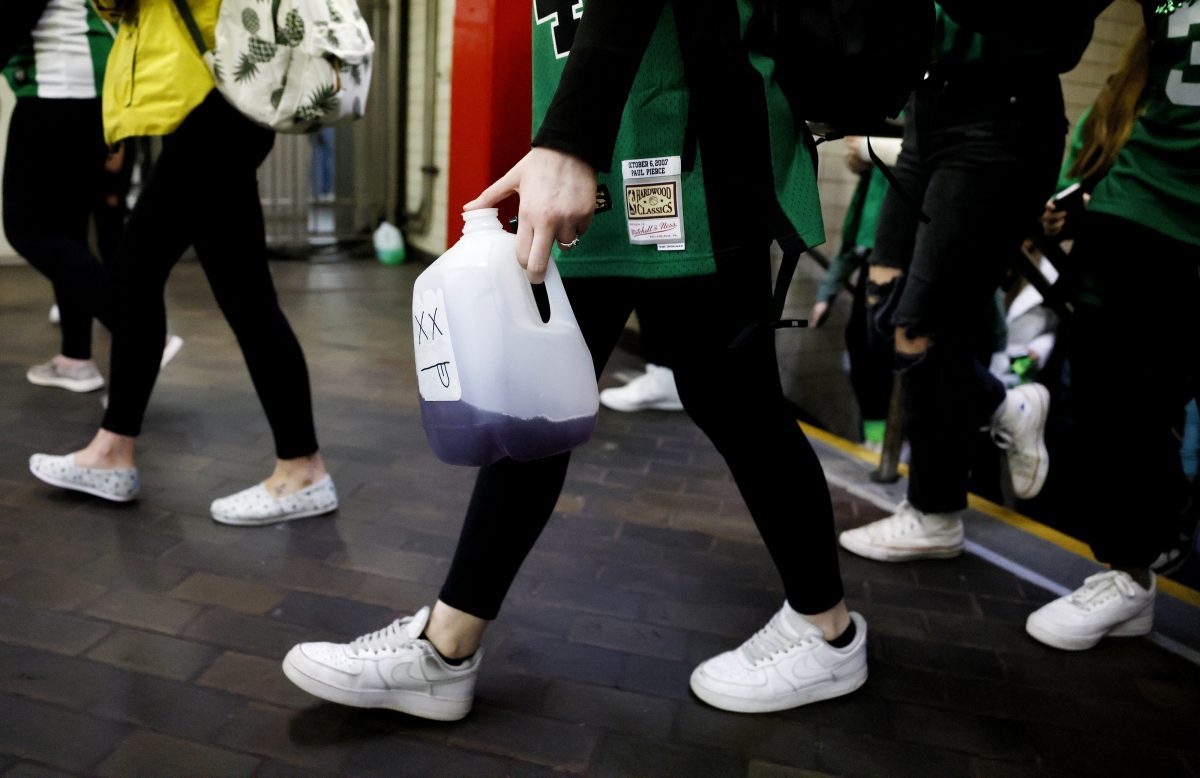
A recent study highlights concerns about the growing use of borgs among college students in the U.S. Borgs, short for ‘black-out rage gallons,’ refer to large homemade cocktails composed of liquor, water, vitamins or electrolyte supplements, and flavorings. Students often carry these in milk jugs at parties or events.
The concept gained traction in the early 2020s, largely via social media. Fans of borgs prefer mixing their own drinks to control ingredients, avoiding shared drinks that might be tampered with or carry germs. TikTok videos have popularized the trend, with creators naming their concoctions for fun, such as ‘LeBorg James.’
Advocates argue borgs offer harm reduction benefits. Personalizing alcohol content allows users to drink at their own pace. Licensed counselor Amelia McCoun noted that students might feel less peer pressure to drink heavily if they control their borg’s alcohol level.
However, concerns remain. Having a large, pre-mixed jug can lead to excessive drinking, possibly increasing risks of alcohol poisoning. A study by the University of Chicago’s Department of Psychiatry and Behavioral Neuroscience, published in a Rutgers University journal, explored these behaviors.
Research showed borg users averaged 9.4 standard drinks per event, more than the 6.3 drinks reported on typical binge-drinking days without borgs. Almost all users said they became intoxicated, while 29% experienced blackouts. Embarrassing incidents were reported by 59%, and 17% vomited during borg binges. There’s also been hospitalizations linked to borgs.
Lead researcher Andrea C. King, PhD, emphasized that mixing hard liquor with sweet flavorings makes borgs more appealing yet potentially dangerous. Despite the risks, 68% of participants intended to use borgs again, valuing the social experience they provide.
The study concluded that borgs might not reduce harm as proponents claim. The control over alcohol intake and contamination reduction promised by self-mixing wasn’t supported by the findings.