The Role of Drones in Rwanda’s Healthcare Transformation
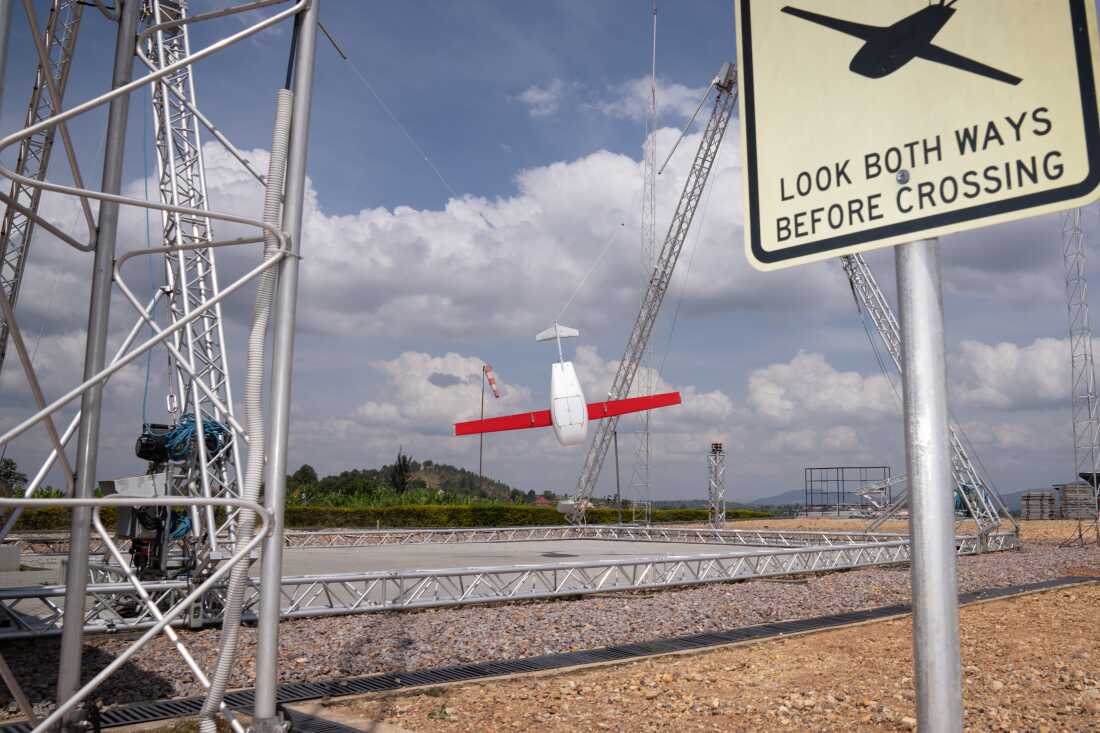
A drone, returning from a delivery, lands at the facility in Muhanga, Rwanda. Since 2016, the Rwandan government has partnered with American robotics company Zipline to deliver emergency blood via drones. This initiative has been crucial in addressing healthcare challenges in the country.
One such story is of Noella Mukanoheli, who was nine months pregnant and experienced severe bleeding. It took a 50-minute motorbike ride to the nearest clinic, but the absence of a doctor there meant waiting two more hours for an ambulance to arrive at the hospital. By the time she reached, her condition was critical. The hospital lacked her blood type, needing a massive transfusion of 5 liters. Within minutes, drones delivered the necessary blood, saving her life and that of her newborn.
“My doctor said I had given birth and the baby was alive, but I would have died without the drone,” Mukanoheli recalled. This event took place in April.
Rwanda, known as the land of a thousand hills, presents significant logistical challenges for medical emergencies. The government sought a swift solution for blood deliveries and began collaborating with Zipline for drone services. Today, drones facilitate the delivery of various medical supplies across Rwanda.
Despite technological advances, Rwanda’s path to improving healthcare remains complex. The nation aims to expand infrastructure, such as electricity and roads, to elevate living standards and reduce poverty.
In 2025, the Trump administration announced a $150 million grant supporting Zipline in Rwanda and other African nations. This plan aligns with giving preference to American businesses for global health work.
The presence of drones in Rwanda is noticeable. They silently traverse the skies, delivering essential medical items. Zipline’s drones, resembling small aircraft, are equipped to carry medicines at high speeds and altitudes.
Pierre Kayitana, Zipline’s country director, highlights the operational efficiency, noting that drones depart every 50 seconds on average. The Muhanga distribution center, a pioneering Zipline hub, plays a central role. Soon, a third facility will enhance service coverage across Rwanda.
“This is the exact center of Rwanda,” said Kayitana, pointing to the Muhanga center.
Medical professionals use various communication channels to request supplies, efficiently managed by Zipline. The drones, equipped with AI, navigate swiftly to their destinations. Their ability to reach any part of Rwanda within 30 minutes makes them invaluable for healthcare delivery.
At Kabgayi Hospital, the rapid drone deliveries have significantly facilitated emergency responses, reducing previous delays caused by road travel.
Rwanda aims to improve healthcare and reduce maternal mortality through comprehensive reforms, including universal healthcare policies. Drones are an integral part of this transformation. Maternal mortality rates have dramatically decreased over the past 26 years, reflecting successful policy implementations.
Dr. Sabin Nsanzimana, Rwanda’s health minister, champions the use of technology like drones to enhance healthcare. They assist in managing diseases and alleviating traffic issues in urban areas.
However, U.S. aid cuts present challenges. Resources must now be carefully allocated to sustain essential health initiatives. Organizations like Save the Children face uncertainties regarding funding impacts on health services.
Despite progress, rural health centers often lack basic equipment and staffing. At Ituzi, head nurse Rosaline Uwera now receives timely vaccine deliveries but struggles with the absence of critical medical tools.
Mukanoheli, still recovering from childbirth complications, acknowledges the impact of drones. Yet, the limitations of rural healthcare accessibility and essential resources highlight ongoing challenges.