The Significance of Presidential Libraries in Preserving National History
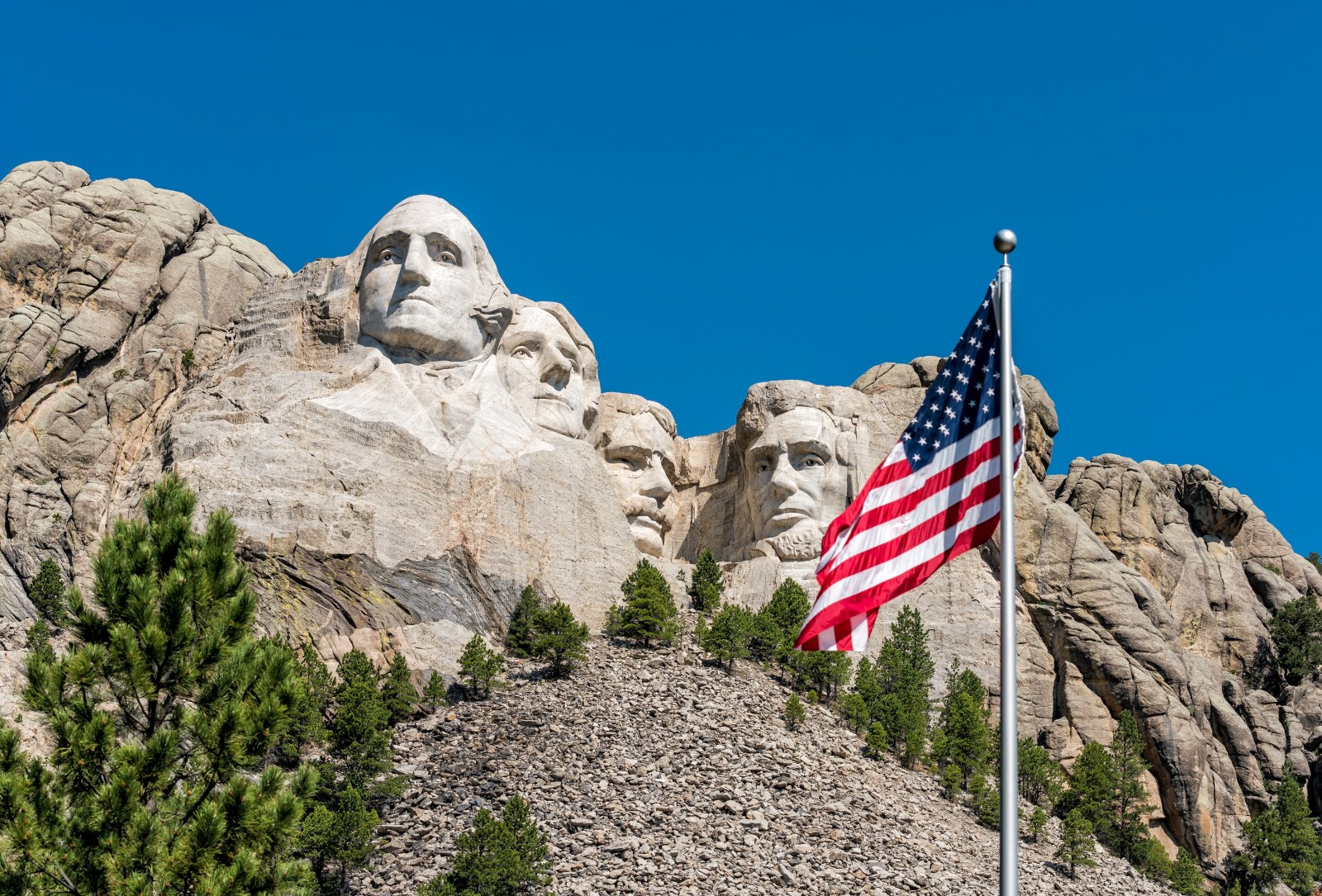
Attending the grand opening of the Theodore Roosevelt Presidential Library in Medora, North Dakota, during America’s 250th birthday weekend is a profound honor. Scheduled for July 4, 2026, this new institution will open its doors, perched above the Little Missouri River in the Badlands, a region that played a critical role in shaping the young Roosevelt. The event is reminiscent of the recent openings of the Obama Presidential Center in Chicago, with anticipation for the Trump Presidential Center in Miami. In times of growing political divides and diminishing historical literacy, these openings are more than timely; they are necessary reminders of the importance of presidential sites as national memory beacons.
Our nation is at a critical point. Political polarization severely impacts civil discourse, while surveys highlight significant gaps in Americans’ understanding of founding principles, the constitutional framework, and the leaders who shaped the nation. Civic engagement often appears more performative than substantive. In this context, the Roosevelt Library and other presidential sites offer a powerful counterforce, encouraging thoughtful engagement with history instead of retreating into echo chambers. Located in the rugged North Dakota countryside, far from Washington, D.C., this site emphasizes that American history belongs to everyone, not just those in coastal capitals.
Presidential libraries and related sites are crucial educational institutions. They function as dynamic centers for learning, dialogue, and inspiration rather than static archives. The Theodore Roosevelt Presidential Library is part of a network of nearly 200 presidential history-related sites across the continent. These include libraries, museums, birthplaces, childhood homes, historic sites, and even the alma maters of presidents and first ladies, serving as key outposts for civics education.
These locations preserve critical documents, artifacts, and personal stories that humanize the presidency. Visitors encounter not abstract icons but complex individuals facing challenges with vision, flaws, and determination. They offer exhibitions, lectures, teacher training, and public programs fostering critical thinking about leadership, governance, and citizenship. In an era of rampant misinformation, these institutions ground visitors in verifiable facts and nuanced context.
The White House Historical Association, founded by first lady Jacqueline Kennedy in 1961, shares a mission of preserving and sharing the White House’s story to inspire informed patriotism. At ‘The People’s House: A White House Experience’ in Washington, similar goals are pursued.
Theodore Roosevelt’s legacy exemplifies transformative leadership. A New York aristocrat who sought renewal in the Dakota Badlands after personal tragedy, he became president in 1901 and promoted the “Square Deal.” His policies challenged corporate monopolies, advanced consumer protections, and promoted fair labor practices. His conservation efforts protected approximately 230 million acres of public lands, establishing national parks, forests, monuments, and wildlife refuges. The Antiquities Act of 1906 enabled future presidents to further safeguard national treasures.
Roosevelt’s public service approach offers timeless lessons. He famously stated, “The credit belongs to the man who is actually in the arena.” He combined vigor with intellect, action with principle, and national interest with moral purpose. Roosevelt understood the government’s role in balancing excess with opportunities. His foreign policy of “speak softly and carry a big stick” projected strength while avoiding unnecessary conflicts. As Americans tackle inequality, environmental issues, and global stature challenges, Roosevelt’s example encourages active, pragmatic stewardship over cynicism or retreat.
His time in North Dakota profoundly affected him. The Badlands challenged him, strengthening his resilience and appreciation for nature, elements that defined his presidency. The library site illustrates how personal experiences in diverse American landscapes can influence national vision.
Preserving White House and presidential history is an investment in the republic’s future. The White House has evolved through every presidency, reflecting national growth while maintaining core democratic traditions. Sites like the Roosevelt Library extend that story, connecting the Executive Mansion to the larger American experience. They reinforce that the presidency is a people’s institution, accountable and enriched by their engagement.
Across the country, these nearly 200 sites combat historical amnesia. They facilitate encounters between citizens and the past to build empathy, perspective, and a sense of common purpose. The Obama Center reveals 21st-century challenges and aspirations, while the Roosevelt Library revives Progressive Era energy. The planned Trump Center will contribute another chapter to this living narrative. Together, these sites weave a national history of leadership and service that surpasses any single administration or era.
Marking the Semiquincentennial, let us commit to visiting, supporting, and learning from these vibrant classrooms of democracy. Roosevelt urged Americans to live lives of strenuous endeavor. His library challenges us to engage with our history honestly, debate it vigorously, and apply its lessons to build a more perfect union. The Badlands opening calls for renewed civic vitality, urging us to respond as we embark on the next 250 years as United States citizens.
Stewart McLaurin is the president of the White House Historical Association. The views expressed in this article are the author’s own.