The Transformation of the Meal in Modern Life
Growing up in Italy, afternoons called for merenda. This snack between 4 p.m. and 6 p.m. served as a bridge from lunch to dinner. My favorite was Kinder Cioccolato paired with an Estathé, enjoyed while watching TV after ballet class. Dinner always followed at 7 p.m. This schedule was set because meals were firmly fixed.
In contrast, moving to the United States in 2005, I noticed the absence of a fixed time for snacks. Here, snacking seemed constant, occurring anytime—morning, afternoon, or even late at night. This reflected a broader cultural difference in eating habits.
Recent surveys highlight these eating trends, particularly among college students. A study of 1,000 students aged 18 to 25 showed only 24% regularly ate three balanced meals a day during school. Over half admitted replacing meals with snacks, and nearly all had done so during a typical school week. This reflects a shift where meals, once structured, now adapt to work, school, and productivity demands.
According to a 2025 survey by the International Food Information Council, 62% of Americans replace meals with snacks. This is a rise from 38% in 2020, showing an increasing tendency to snack instead of having full meals. Data from Circana reveals that 55% of U.S. consumers eat or drink three or more snacks a day, frequently during or instead of meals.
This change indicates that a snack, once a supplement to meals, now competes with them. Lunch used to be a time to pause, similar to school lunches or lunch breaks at work. Now, eating is often multitasked with other activities—quick bites during emails or calls. This trend is noticeable amongst college students, with 60% reporting eating while studying or working daily.
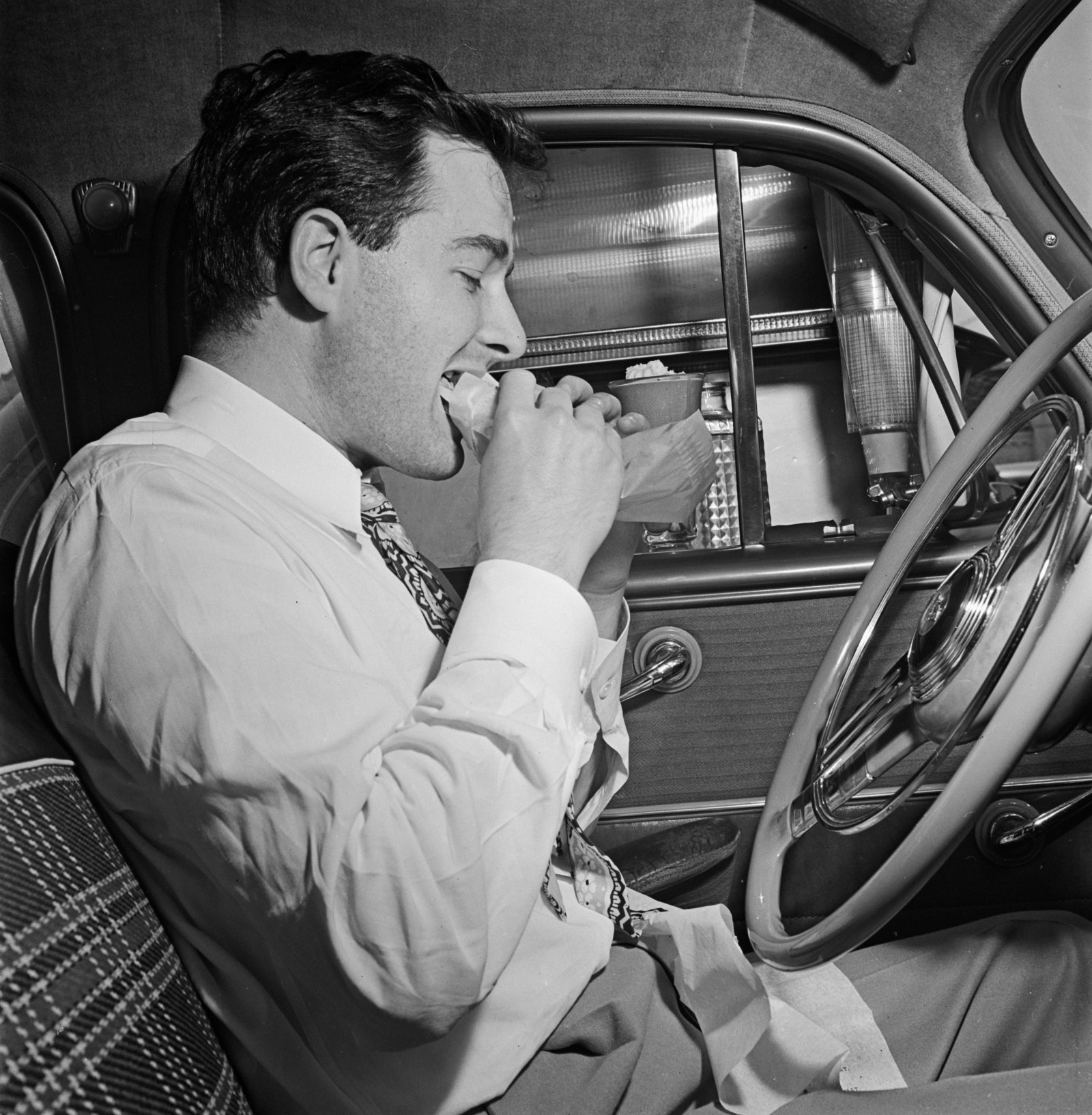
The broader American diet mirrors this. Meals are quick, with half taking less than five minutes to prepare. Eating without real interruption has become the norm. Ashlie Garcia from Fresno describes working without planned breaks, often eating while handling phone calls discreetly in her car.
Despite this shift, Americans still prioritize eating. The 2025 American Time Use Survey indicates that people spend about 1.2 hours daily on eating and drinking as a primary activity. However, more often, food fits into other activities, whether breakfast in a car or dinner alongside a working laptop.
Convenience foods must now suit fragmented schedules. Foods that are portable, easy, and nutritious are increasingly favored. In the college survey, 70% of students chose snacks based on protein content, and 82% said healthy snacks kept them energized. Snacks have evolved to sometimes replace meals entirely.
For Kristi Eaton, dinner still represents time set aside solely for eating, providing a chance to relax at the end of the day.
Beyond time, money influences eating patterns. Financial pressure affects students, with 86% citing stress from expenses. Many reduce food purchases to afford other necessities. As meals require commitment, snacks remain flexible and adaptable in both size and cost.
Garcia faces similar choices, where cooking for one can feel wasteful. Instead, she opts to snack through the week, avoiding cooking full meals that might not be economical or practical for a single person.
When everyone eats at different times, social rituals erode. Family dinners or shared lunches once ensured convergence, fostering social interaction. Nowadays, half of home meals are eaten alone. Meals no longer function as shared moments, leading to increased solitary eating.
In childhood, merenda worked because family dinners were guaranteed. Today, with flexible snacking, eating becomes discreet, fitting into broader lifestyle shifts. The protein bar didn’t end lunch; it simply aligns with an evolving modern way of life.