Trial Highlights Mental Health Debate in Child Homicide Case
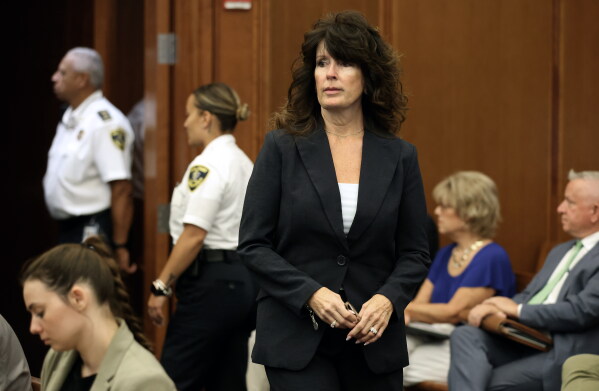
Lindsay Clancy wept in court as jurors viewed autopsy photos of her youngest child, whom she strangled in 2023. The Massachusetts murder trial has entered its second week, with more witnesses providing insights into Clancy’s mental state. These include friends, a former colleague, and her former father-in-law. They testified that Clancy was transparent about her mental health issues but appeared to be a caring mother. Clancy denies murder charges for the deaths of Cora, 5, Dawson, 3, and 8-month-old Callan. Her defense argues she was too mentally ill to be criminally responsible. Prosecutors claim Clancy was deliberate, sending her husband away as part of a plan. After the incident, Clancy jumped from her home’s second-story window and remains paralyzed from the waist down.
Note: This article discusses suicide. For help, contact the U.S. national suicide and crisis lifeline at 988.
Many witnesses have shared their recollections of Clancy before the killings. They noted she interacted normally during family gatherings and friends’ lunches. None recalled hearing Clancy express intentions to harm herself or her children. A friend noted Clancy struggled with sleep post-childbirth and experienced adverse reactions to medication. Andrea Hennigan, a past colleague, recalled Clancy saying she felt mentally unfit to return to work. Clancy mentioned insomnia and feeling unlike herself, even using the term ‘brain fog.’ Reports indicate she felt negative medication effects, leading to ‘dark thoughts.’
Bethany Decollibus attended Cora’s birthday in January 2023. Clancy candidly shared her ongoing sleep issues and feeling like a ‘zombie.’ Her former father-in-law, Christopher Clancy, affirmed her parenting skills but acknowledged her struggles. He suggested the grandchildren could stay with him, a proposal Clancy’s husband declined.
Defense attorneys argue that Clancy had postpartum psychosis and undiagnosed bipolar disorder, exacerbated by certain medications. If convicted of murder, Clancy risks life imprisonment without parole. A not guilty verdict due to mental incapacity would result in commitment to a mental health facility.
In a related case, Massachusetts’ top court overturned Latarsha Sanders’ murder convictions for the 2018 deaths of her two children. Sanders claimed to have killed her sons under commands connected to conspiracy theories. Her defense argued her mental illness negated criminal responsibility. The Massachusetts Supreme Judicial Court criticized the trial for limiting psychiatric evidence. They noted crucial medical records were withheld, affecting the defense. A retrial is upcoming, with the hope that a jury will consider fresh evidence.
Plymouth County District Attorney Timothy Cruz’s office is reviewing next steps. Robert F. Shaw Jr., Sanders’ lawyer, anticipates presenting the case anew.