Trial of Keffe D: Unraveling the 1996 Murder of Tupac Shakur
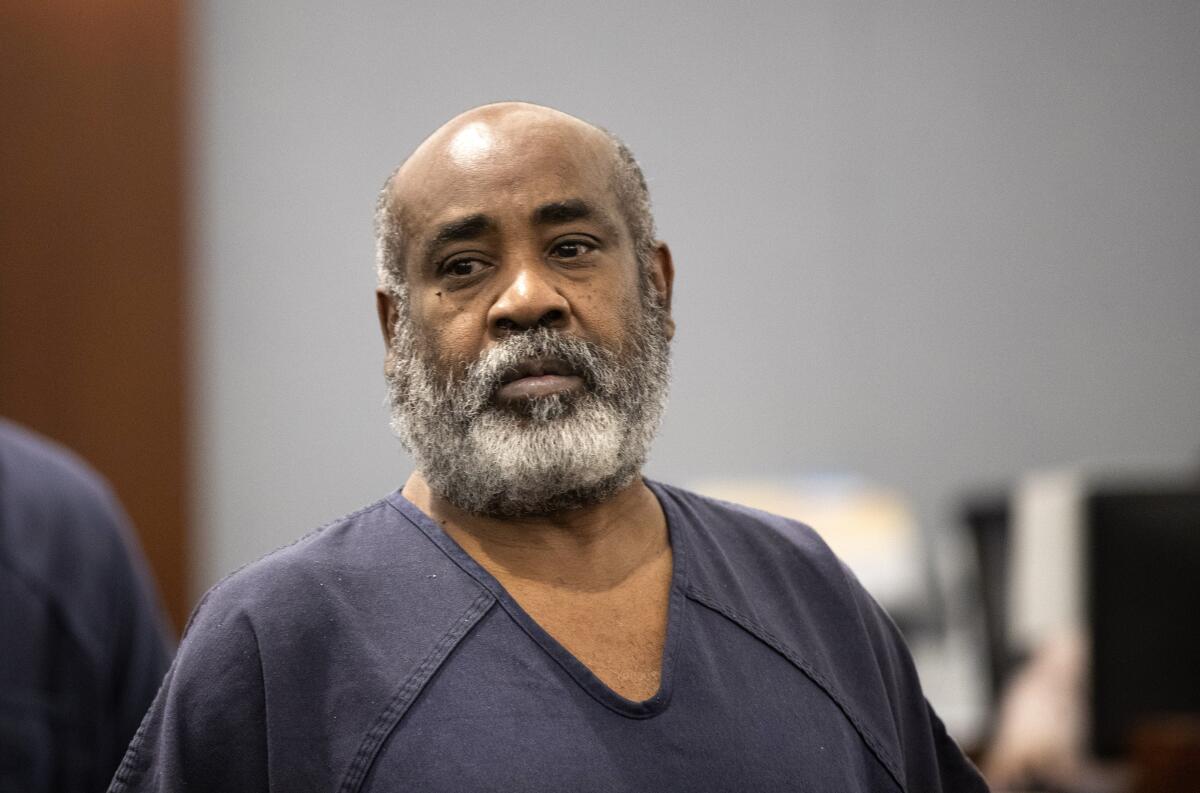
For nearly 30 years, Duane “Keffe D” Davis, a former Compton gang leader, has been vocal about one of the most discussed celebrity killings: the murder of rapper Tupac Shakur. Shakur was shot on September 7, 1996, while riding to a Las Vegas nightclub in a BMW driven by Marion “Suge” Knight, head of Death Row Records. Investigations and documentaries have explored the events that night, but the mystery persists. This week, Davis faces trial in Las Vegas, accused of orchestrating the murder of Shakur.
Prosecutors believe Davis will serve as the star witness to confirm their case. He has extensively discussed his involvement, including interviews with Los Angeles police, media, and his 2019 book, Compton Street Legend. Although prosecutors do not accuse Davis of being the gunman, they allege he orchestrated the killing by providing the weapon, motivated by a gang feud. Despite disavowing some statements, a judge admitted these comments in court.
“Tupac made an erratic move and began to reach down beneath the seat … and that’s when the fireworks started,” Davis wrote. His memoir describes being in Vegas to watch a fight and seeking Knight and Shakur after a confrontation involving his cousin, Orlando “Baby Lane” Anderson.
Legal experts argue that mere words won’t suffice. “The D.A. will need to corroborate his admissions with independent evidence,” said former federal prosecutor Neama Rahmani, who mentioned the challenges of finding forensic evidence in a decades-old case. It’s possible the prosecution will rely on testimonies from former gang members.
In 2008, under protection, Davis discussed the events with the LAPD. He suggested Anderson shot Shakur as revenge for a prior beating. However, in later accounts, Davis altered the narrative. Greg Kading, who has studied the case and written his book, claims Davis incriminated himself, driven by ego and greed.
Now 63, Davis pleads not guilty to murder with intent to advance gang activity. Recently, he denied involvement, attributing statements to promotional exaggeration for his book. Prosecutors aim to present witnesses to challenge Davis’ denials, while his defense strives to discredit Davis’ statements as fabrication.
Proving there was no gun or forensic evidence, Davis argues that Knight is the only living witness and never identified him. Prosecutors plan to summon Denvonta Lee, an associate of the South Side Crips, to testify. Although not present in the vehicle, Lee stated that Anderson initially had the gun, which ended with Smith, who shot Shakur. Smith is now deceased.
Authorities accuse the shooting of stemming from a rivalry between South Side Compton Crips and Mob Piru Bloods, linked to Death Row Records. Investigations quickly connected South Side Crips to the murder, tying it to a prior incident where Anderson allegedly confronted a Mob Piru Blood named Travon Lane.
Marion “Suge” Knight, previously convicted for other offenses, denied involvement in the Shakur case. While serving a prison sentence, Knight distanced himself from this trial, warning against drawing connections to him.