Trump Administration Proposes to End 60-Day Grace Period for H-1B Visa Holders
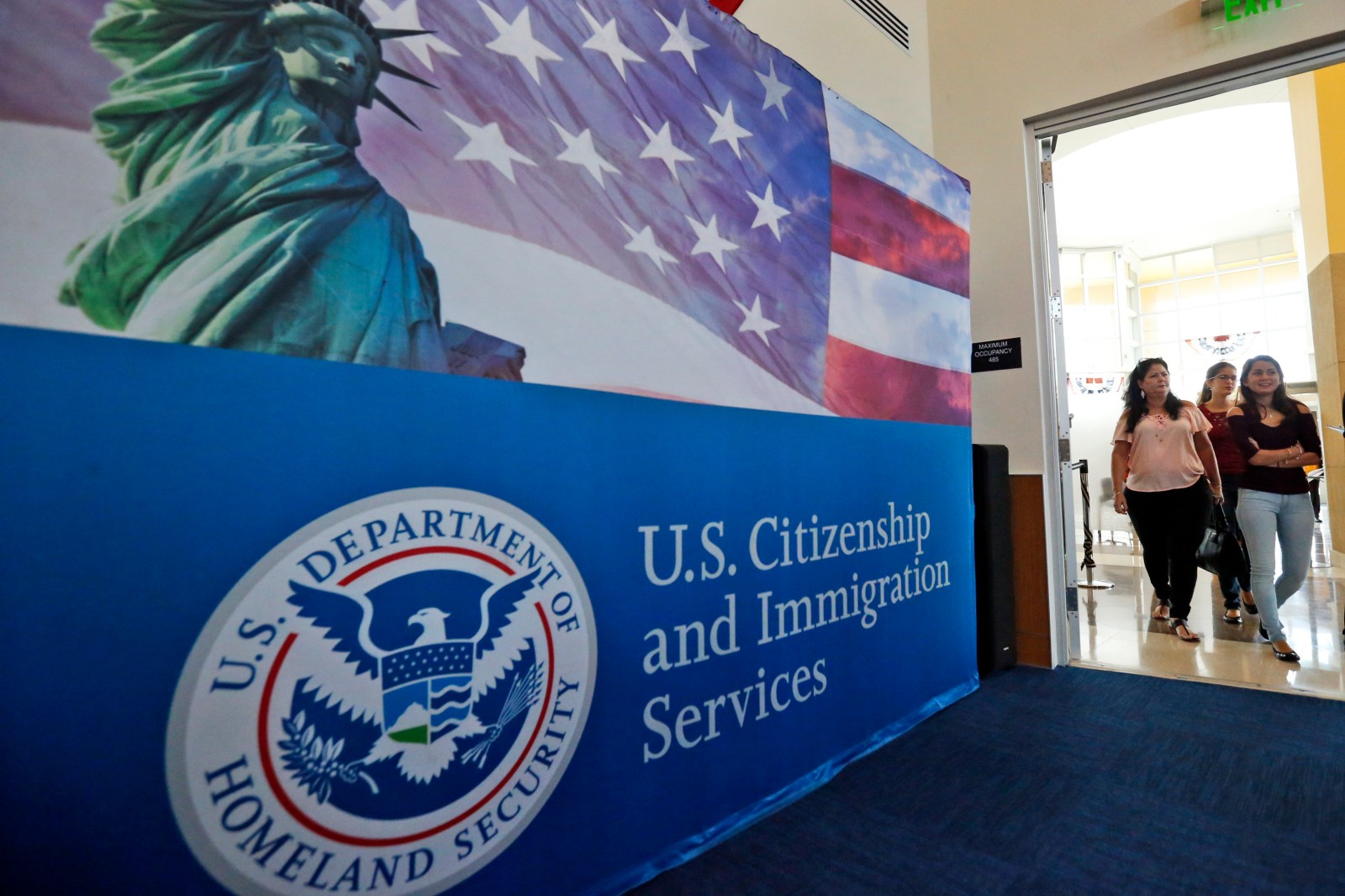
The Trump administration is moving forward with a proposal to eliminate a 60-day grace period that benefits H-1B visa holders and other foreign workers. This change would reduce options for maintaining legal status after job loss. The Department of Homeland Security (DHS) sent this proposal to the White House for review, as noted in a federal filing. If approved, it will remove a protection in place since 2017.
Current Rules and Proposed Changes
Presently, workers on employment-based visas can remain in the U.S. for 60 days after job loss. This period allows them to find new employment, change their visa status, or plan to exit the country. The proposed removal of this period could lead to faster loss of legal status post-layoff.
Affected Visa Categories
The grace period affects several employment-based visa categories, including:
- H-1B
- H-1B1
- L-1
- O-1
- TN
- E-1
- E-2
- E-3
Immigration-policy group FWD.us estimates there are approximately 730,000 H-1B visa holders in the U.S., along with about 550,000 dependent family members. This highlights the widespread impact potential changes could have.
H-1B Visa Modifications
Since resuming office, the Trump administration has aimed to increase costs for businesses hiring foreign workers, tighten eligibility, and revise visa awarding processes. A blocked plan attempted to levy a $100,000 fee on certain new H-1B petitions. There is also support for replacing the H-1B lottery with a system prioritizing higher-paid workers. Recently, DHS set a rule adding $4,000 and $4,500 biometric fees for some H-1B and L-1 visa extensions, which increases employers’ costs further.
The proposal is under review and is not yet fully published. While the rulemaking process is ongoing, the existing 60-day grace period continues. Should the proposal go forward, it will be published in the Federal Register and opened for public comments. Details remain pending until the administration releases the complete text.
Origin and Impact of the Grace Period
The grace period began during the Obama administration’s final days, becoming effective in 2017. It aimed to give flexibility to skilled foreign workers facing job termination. Securing new employment involves both finding a job and having the new employer sponsor the visa and file necessary documentation. Removing this grace period may shorten the time required to complete these steps before losing visa status.
Future Implications
If finalized, workers losing employment must quickly secure a sponsor, change immigration status, or leave the U.S. to prevent visa status loss. The proposal remains under scrutiny, and the grace period stays valid until a new rule is officially adopted.
For more information, contact Newsweek editors Matthew Robinson and Robert Greenall.