Trump Administration Targets Testosterone Deficiency to Enhance Military Readiness
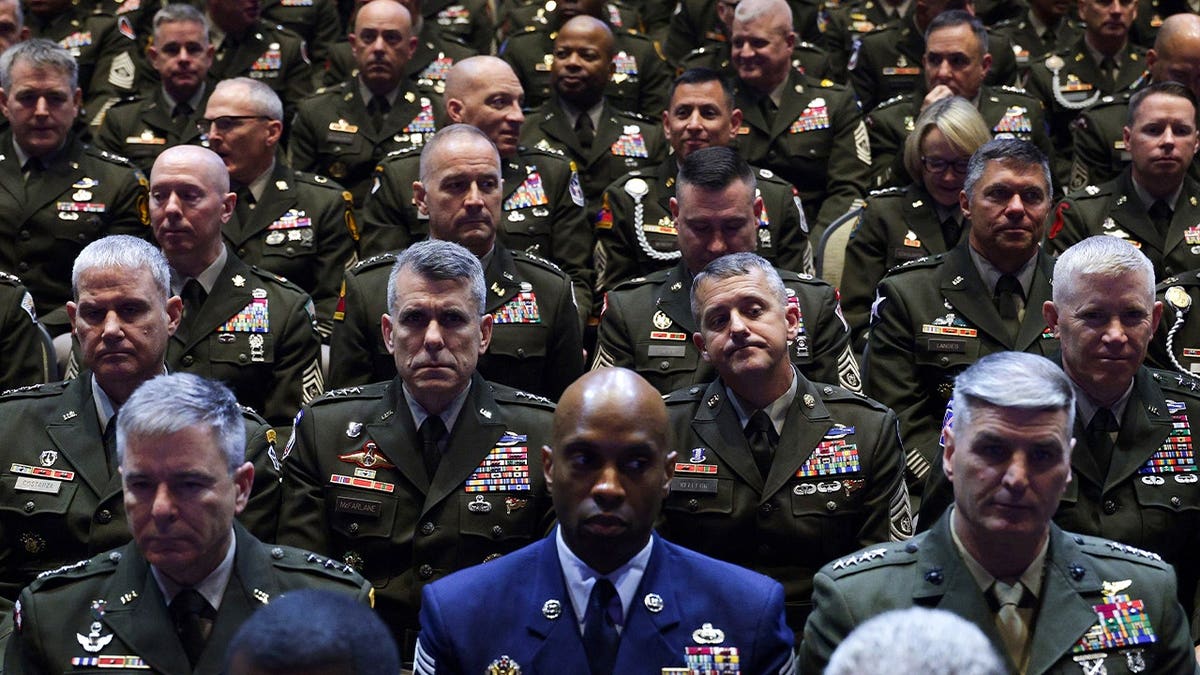
The Trump administration is addressing testosterone deficiency as a potential issue for military readiness. New screening guidelines target male service members amid concerns about American men’s health and the shrinking pool of individuals qualified to serve.
Military Readiness Concerns
Adm. Brian Christine, a senior Department of Health and Human Services official, noted the implications of low testosterone for national defense readiness. He highlighted broader health challenges, warning that 77% of Americans aged 17 to 24 can’t qualify for service without a waiver. Obesity and chronic disease are among the barriers.
For young men, over 70% are ineligible for service, while about 3% of young Americans express interest in joining the military. The Trump administration is emphasizing military readiness through initiatives like testosterone deficiency screening.
Screening Guidelines
The Pentagon issued guidelines for male service members aged 30 and older, requiring mandatory testosterone deficiency screening. This includes assessing symptoms and risk factors, with further testing and possible treatment available when necessary.
Christine clarified that no one is forced to take testosterone. The focus is on identifying symptomatic men with low hormone levels and offering them appropriate options.
Health Factors and Environmental Concerns
The average testosterone level for men in the 1970s was over 650; now it’s around 350,
Christine stated. He attributed obesity, chronic disease, and potentially environmental exposures like microplastics to declining testosterone levels.
Dr. Jay Bhattacharya from the National Institutes of Health echoed concerns over undiagnosed testosterone deficiencies, indicating the need for a better understanding of the decline’s causes and appropriate medical guidelines.
Reproductive Health and Broader Trends
Bhattacharya pointed to declining sperm counts as another issue needing investigation. He suggested environmental factors might play a role in broader reproductive health concerns.
The NIH is conducting research to understand these trends and guide doctors on advising men regarding testosterone health. Christine emphasized testosterone’s role in overall wellness, noting its impact on lifespan and mental health.
Developing Comprehensive Guidelines
The administration is also creating hormonal health guidance for female service members. This will involve women’s health specialists and aim to equip service members for optimal performance while addressing health challenges.
Ashley J. DiMella reports on politics for Fox News Digital.