Trump Urges Quick Action on Military Funding Before Democrats Take Control
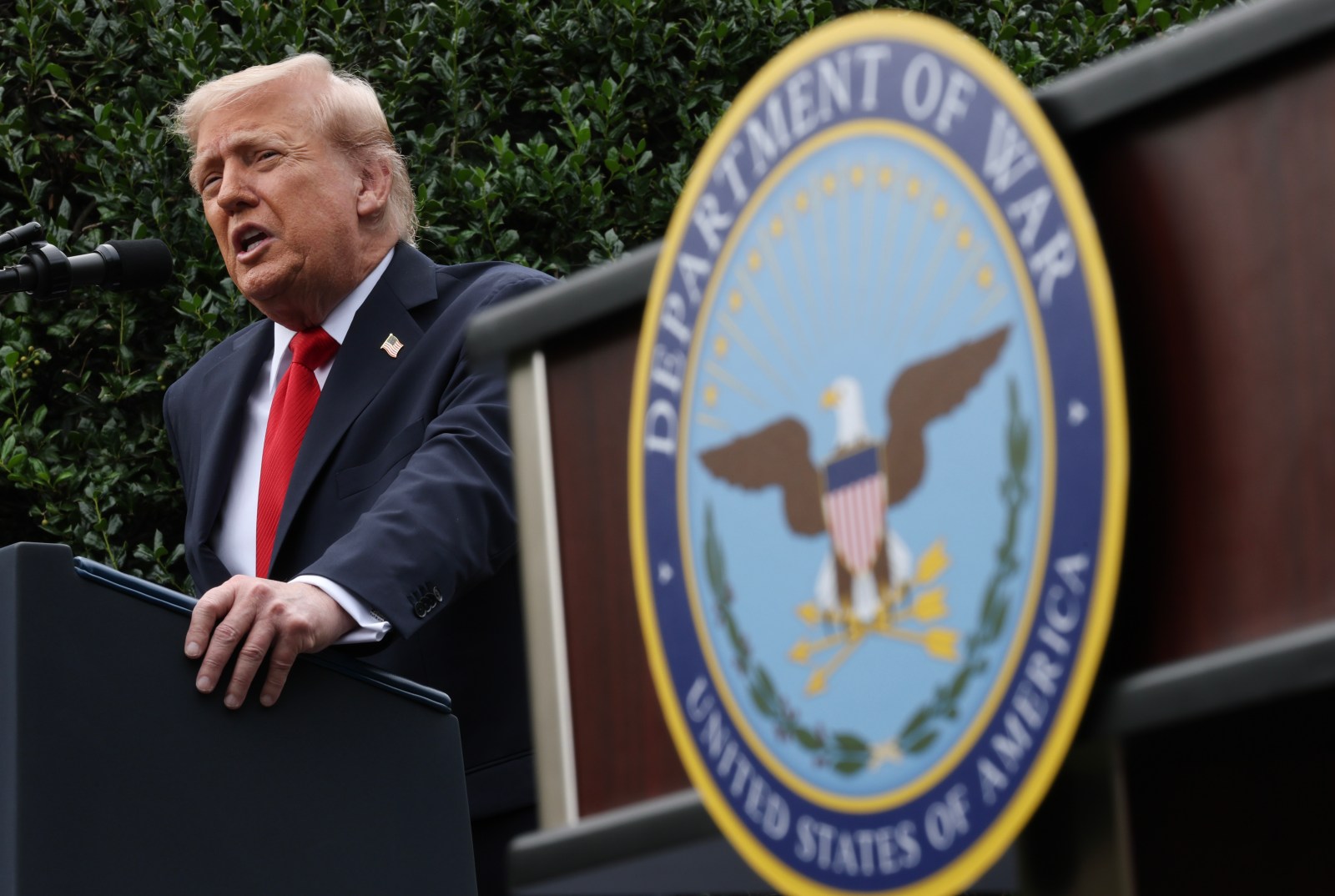
President Donald Trump called on Senate Republicans to immediately pass a $350 billion military spending package. He warned that Democrats aim to block what he sees as a historical investment in national security. Trump emphasized his previous efforts to rebuild the military, claiming he is enhancing it further.
Trump’s criticism targets Democrats. However, issues within his own party have delayed the package. Since June, internal Republican debates have blocked progress.
What the $350 Billion Would Fund
The funds are part of a larger $1.5 trillion defense budget request for 2027. From this, $1.15 trillion would go through normal channels, while $350 billion would use reconciliation. The funds include $47 billion for munitions, $17 billion for missile defense, and over $48 billion for minerals.
Defense Secretary Pete Hegseth argues that passing the bill is essential, noting munitions depletion due to conflict with Iran. A report highlighted strategic inventory shortages.
So far, only a portion of the funding has progressed. The House passed a $95 billion resolution, but the Senate has yet to vote.
Republican Resistance
The reconciliation process allows passing bills without Democratic support. Despite this, Republicans lack consensus. In June, opposition surfaced with leaders like Mitch McConnell declaring reconciliation infeasible.
Senators like Susan Collins, Lisa Murkowski, and John Cornyn expressed concerns. Post-midterms, pressure increased. Ron Johnson’s leadership faced conflicting priorities. Though commitments to pass the budget exist, internal dissent remains.
Rand Paul and Josh Hawley oppose the current strategy. In contrast, Roger Wicker emphasizes reconciliation importance.
Comparison With Health and Education Spending
The $350 billion defense increment contrasts with cuts in domestic spending. Trump’s proposal increases military spending by 44% and reduces education and health funding.
The Department of Education’s budget would decline to $76.5 billion, while health services face a 12.5% funding cut. Yet, domestic cuts have seen resistance and funding shifts in past legislative sessions.
Democrats’ Position
Democrats criticize the defense increase and conflict in Iran. They point to imbalances in domestic versus defense funding as their main issues.
Democrats have employed their votes to hinder defense policies they oppose. Key objections include unauthorized war support and unbalanced spending allocations.
The reconciliation approach circumvents Democrat resistance, but their upcoming control in January pressures Republicans to act swiftly. Some Republicans devise alternatives, seeking Democratic agreement for emergency defense funding attachments to other bills.