Trump’s Economic Challenges: Inflation, Growth, and Credibility
Economic Promises and Reality
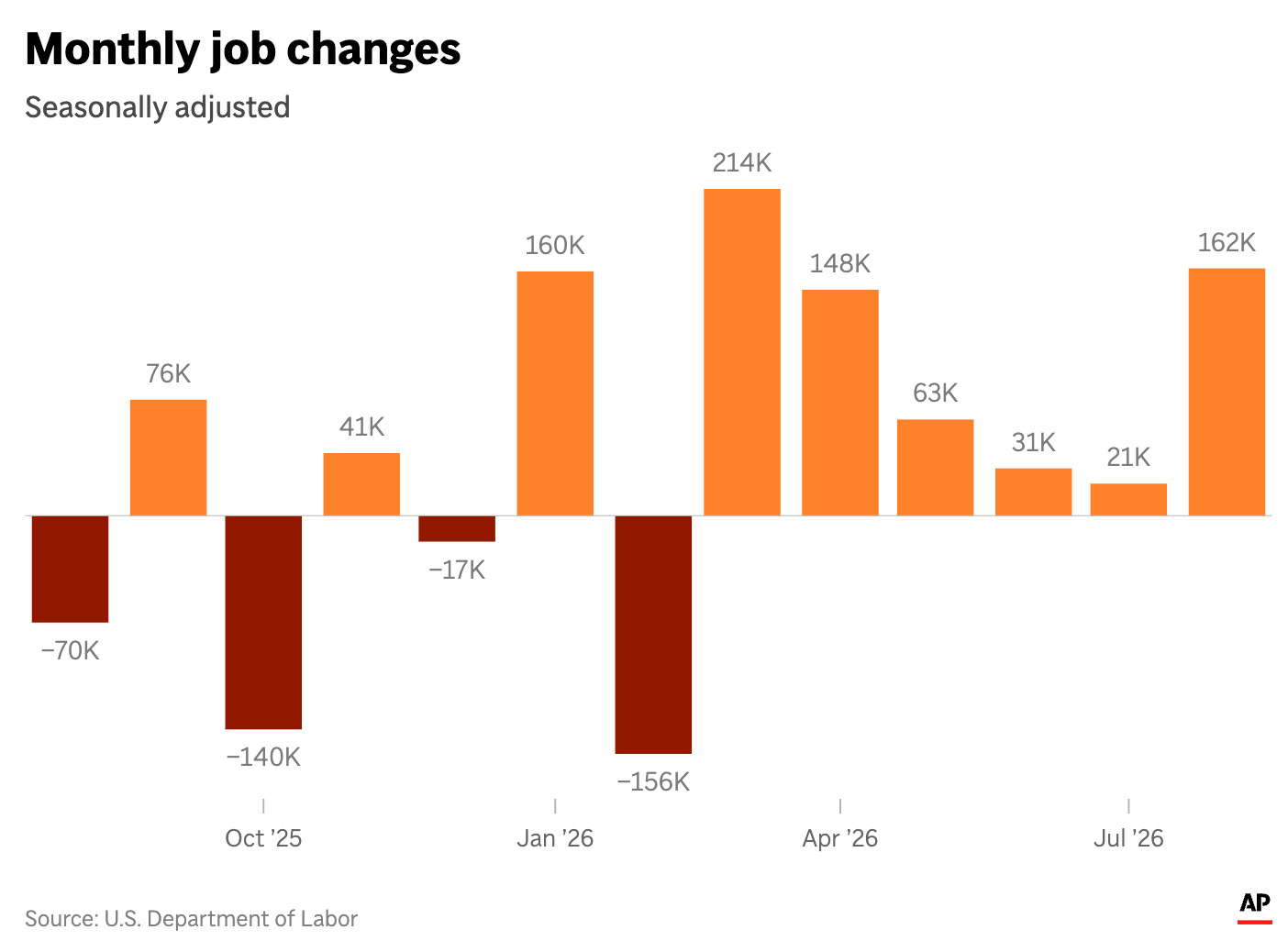
President Donald Trump has been vocal about an impending economic boom for 20 months, yet the August jobs report brought both surprise and frustration. Although August saw a gain of 162,000 jobs, Trump expressed concern over inflation and interest rates. He criticized the notion that job gains could trigger inflation, stating, “Success does not cause inflation. Stupidity causes inflation.” Despite these job gains, Trump’s promise of growth remains unfulfilled, with annual growth around 2%, lagging behind previous administrations.
Interest Rates and Trade Tensions
Rising interest rates have been a sticking point for Trump, with concerns about the national debt exceeding $40 trillion. Rates on the 10-year U.S. Treasury note rose to 4.79%, affecting Trump’s ability to deliver stronger growth. Trump attributed high rates to inflation from tariffs and oil shortages. He suggested halting trade with foreign nations as a solution, despite risks to economic growth.
Economic Credibility and Public Perception
The president’s economic credibility has taken a hit due to unmet growth promises. Joe Brusuelas, an economist at RSM US, highlighted the gap between Trump’s predictions and actual economic realities. The president questioned monetary policy principles, suggesting GDP might grow significantly if rates were lower, disregarding potential inflation risks. Trump’s economic approval rating stands at a low 32%, compared to 50% during mid-term voter evaluations in 2018.
Future Economic Prospects
Trump aides are optimistic about the future, citing AI, tariffs, and tax cuts as growth catalysts. Christopher Phelan of the White House Council of Economic Advisers views productivity gains as a path to increased growth. However, rising costs for programs like Social Security and Medicare complicate budget deficit solutions.
A study by Ernie Tedeschi from Stripe emphasizes that sustained growth beyond 3% annually could stabilize the debt load, yet such advancements are historically rare. Treasury Secretary Scott Bessent and Commerce Secretary Howard Lutnick have promoted growth benefits at the G20 summit, aiming for a plan to reduce the debt and deficit.
Addressing Debt Challenges
Reducing the $2 trillion annual deficit, slated to rise, poses political challenges including spending cuts and tax hikes. Brusuelas argues that addressing debt requires sacrifices in government spending and tax strategy adjustments to reassure markets.