Trump’s Leadership Style: Shifting Accountability
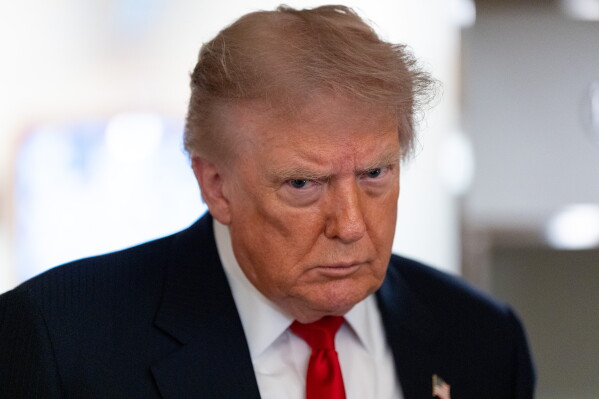
In presidential history, the phrase “The buck stops here” is iconic. However, for President Donald Trump, responsibility often seems to be shifted elsewhere. With concerns about economic struggles and inflation, Trump places the blame on Joe Biden, despite his predecessor having been out of office for over 18 months. Even in cases like the issues with the Lincoln Memorial Reflecting Pool, Trump attributes faults to vandalism, though a prosecutor’s investigation suggested poor workmanship.
Deflecting Accountability
The ongoing war in Iran that affects oil prices and Trump’s approval ratings is framed by him as rectifying past presidents’ failures. Modern presidents often shift blame to some extent, targeting predecessors or Congress, yet Trump’s approach elevates this to not owning failures while claiming leadership in successes. History professor Nicole Anslover notes that while taking responsibility is a leadership hallmark, Trump frequently deflects blame, which is under scrutiny as midterm elections approach.
Republican efforts to maintain control of Congress are complicated by Trump’s reluctance to accept responsibility. Critics argue that his tendency to deny problems leaves GOP leaders struggling to reassure voters. The White House contends that Trump is addressing long-standing issues, pointing to policies such as tax cuts, immigration control, and boosting domestic energy as evidence of effective leadership.
Historical Context
Trump’s avoidance of responsibility isn’t new, extending back to his first term. Former President Harry Truman famously kept a “The Buck Stops Here” sign on his desk, a phrase evolving from poker terminology, to assert the necessity of presidential responsibility. Despite this, Trump has often indicated that solutions and blame lie elsewhere, as seen in his 2019 statement during a government shutdown: “The buck stops with everybody.”
Historical comparisons show leaders like John F. Kennedy and Ronald Reagan gaining or maintaining public approval by owning missteps. Recent presidents, from George W. Bush to Barack Obama, have publicly acknowledged mistakes, a practice Trump diverges from, according to Anslover.
“The public certainly expects the president to be concerned about, and focused on, making life more affordable,” stated Republican pollster Frank Luntz.
Current Situations and Challenges
Trump’s approach extends to current economic and political challenges. He’s acknowledged voter frustration yet attributes anger to congressional Republicans rather than his policies. Believing in retaining congressional control, Trump is clear that blame wouldn’t be his should Republicans falter at elections. Despite a decline in his approval ratings concerning the economy, Trump continues to point at Biden for lingering high prices.
Using Iran and the Reflecting Pool to exemplify pattern shifts, Trump calls the Iran war “a little excursion.” Although initially stating a quick resolution, the conflict persists beyond six months without an end. Accusations regarding Reflecting Pool failures also circle back to past administrations or alleged vandalism, despite insufficient evidence.
Trump’s leadership style, often bypassing accountability, challenges traditional presidential roles. With his long political career, he seems unfazed in disrupting norms, maintaining core support. Anslover observes many Americans prioritizing personal viewpoints over fact-based leadership, reflecting shifts in public expectations of presidential duties.